THE ADVENTURE COLLECTIVE® · Independent discovery and booking for outdoor travel

Drive the Tichka Pass from Marrakech to the iconic kasbahs of southern Morocco. This full-day trip mixes high-mountain scenery, UNESCO-listed architecture and local Berber hospitality — all in one long, memorable loop.
Drive the Tichka Pass from Marrakech to the iconic kasbahs of southern Morocco. This full-day trip mixes high-mountain scenery, UNESCO-listed architecture and local Berber hospitality — all in one long, memorable loop.
You leave Marrakech before the heat, the city lights shrinking as the road climbs into the High Atlas.
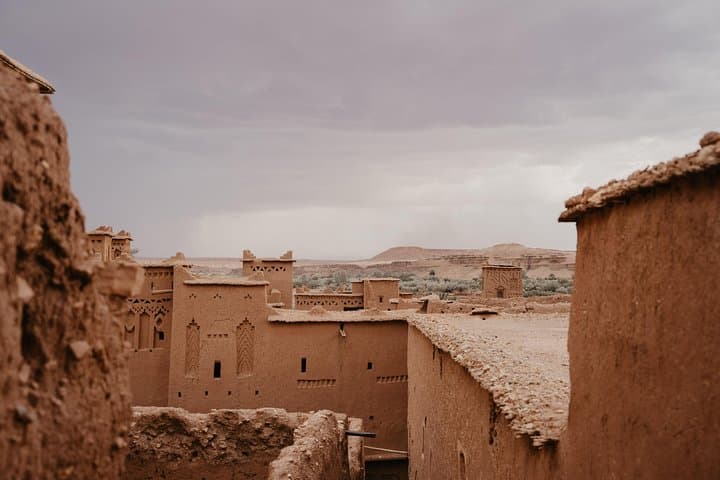
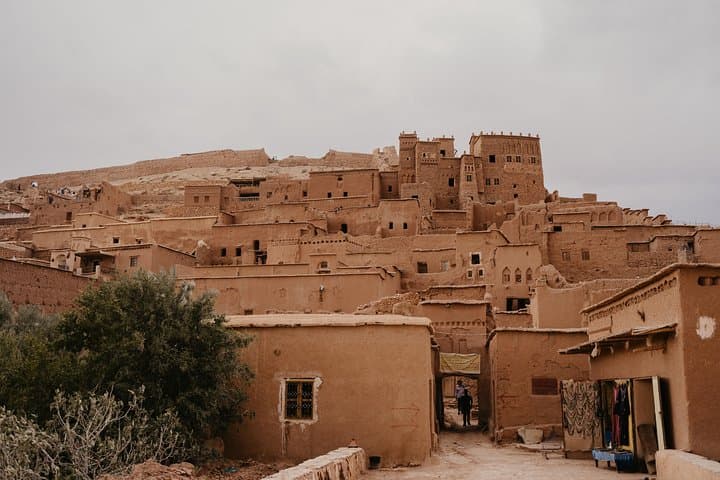
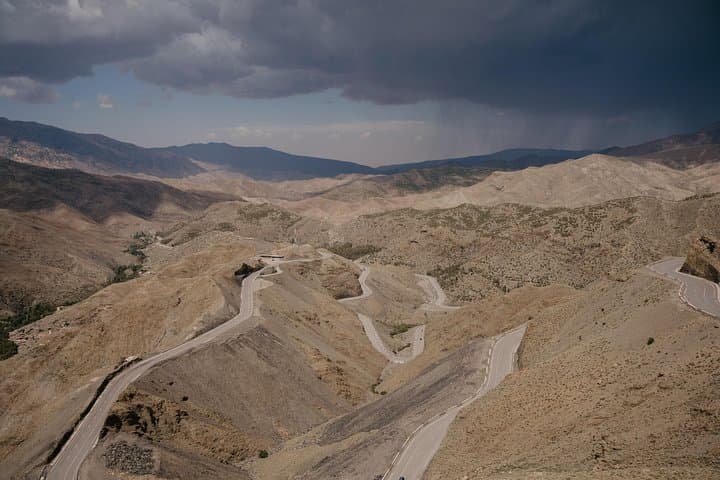
The minivan threads hairpins on the Tizi n'Tichka pass (around 2,100–2,260 m), where wind and stone sharpen the air and the plain below unfurls. By midmorning you'll be walking the compacted earthen streets of classic kasbahs — thick mud-brick walls, narrow alleys and crenellated towers that once marked the domain of pachas and caravan routes.
These are houses of power and craft. Many of the southern kasbahs date from the 17th–19th centuries and were built from locally sourced clay and straw; the same geology that formed the Atlas ranges supplies the raw material for rammed-earth walls. Aït Benhaddou, the UNESCO site often on this itinerary, doubled as the backdrop for films thanks to its photogenic silhouette and preserved architecture.
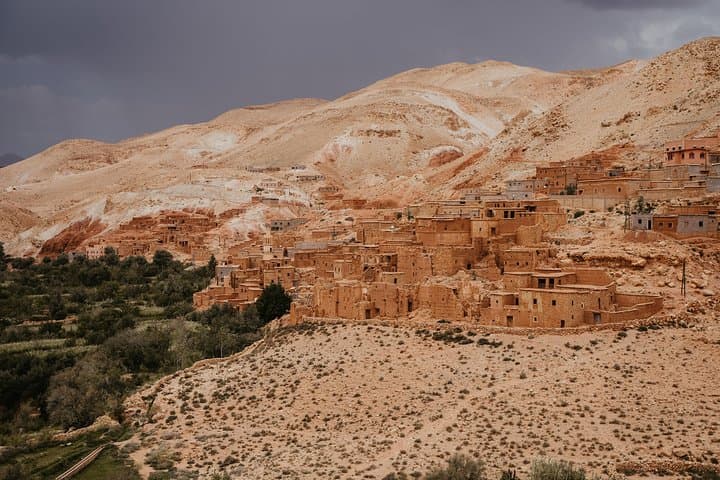
Culture here is quotidian: Berber villages, market stalls selling woven belts and argan oil, and lunch under traditional Berber tents where mint tea punctuates conversation. Expect honest hospitality and straightforward bargaining.
Practical guidance: plan for a 9–10 hour day (roughly 190–220 km round trip), significant time in a vehicle, and several short walks over uneven, sometimes steep stone and packed earth. Wear sturdy shoes, sun protection and layers for wind at altitude. Carry water and small local currency for entry fees, snacks and tips. Mobility is generally easy but there are steps and narrow passages in kasbahs. If you want photos without crowds, aim for early arrival or a late-afternoon return through the pass.
Verified experiences and guided adventures in the surrounding area.
Operated by Authentic Destination · Marrakech, Marrakech-Safi
You leave Marrakech before the heat, the city lights shrinking as the road climbs into the High Atlas.
The minivan threads hairpins on the Tizi n'Tichka pass (around 2,100–2,260 m), where wind and stone sharpen the air and the plain below unfurls. By midmorning you'll be walking the compacted earthen streets of classic kasbahs — thick mud-brick walls, narrow alleys and crenellated towers that once marked the domain of pachas and caravan routes.
These are houses of power and craft. Many of the southern kasbahs date from the 17th–19th centuries and were built from locally sourced clay and straw; the same geology that formed the Atlas ranges supplies the raw material for rammed-earth walls. Aït Benhaddou, the UNESCO site often on this itinerary, doubled as the backdrop for films thanks to its photogenic silhouette and preserved architecture.
Culture here is quotidian: Berber villages, market stalls selling woven belts and argan oil, and lunch under traditional Berber tents where mint tea punctuates conversation. Expect honest hospitality and straightforward bargaining.
Practical guidance: plan for a 9–10 hour day (roughly 190–220 km round trip), significant time in a vehicle, and several short walks over uneven, sometimes steep stone and packed earth. Wear sturdy shoes, sun protection and layers for wind at altitude. Carry water and small local currency for entry fees, snacks and tips. Mobility is generally easy but there are steps and narrow passages in kasbahs. If you want photos without crowds, aim for early arrival or a late-afternoon return through the pass.
easy.
9–10 hours.
Suitable for most fitness levels; requires ability to walk short distances on uneven surfaces and climb several sets of steps.
Expect roughly 3.5–4 hours each way depending on traffic and stops; total round trip is about 9–10 hours with guided visits included.
No long hikes — the tour involves short walks through kasbahs and villages on uneven surfaces with some steps; it's suitable for most travelers.
Yes; lunch is typically included and served under traditional Berber tents as part of the itinerary.
Yes; the tour is described as physically easy and suitable for most ages, though those with mobility issues should note steps and narrow passageways in kasbahs.
Many southern kasbahs were built or expanded between the 17th and 19th centuries by pachas who controlled trade and taxation along caravan routes; Aït Benhaddou is a prominent example and a UNESCO World Heritage Site.
Rammed-earth architecture requires regular maintenance; visitors should stick to paths, avoid climbing fragile walls and support community-run cooperatives to help local preservation efforts.
Authentic Destination operates guided outdoor trips and adventures with an emphasis on safety, stewardship, and memorable experiences.
You leave Marrakech before the heat, the city lights shrinking as the road climbs into the High Atlas.
The minivan threads hairpins on the Tizi n'Tichka pass (around 2,100–2,260 m), where wind and stone sharpen the air and the plain below unfurls. By midmorning you'll be walking the compacted earthen streets of classic kasbahs — thick mud-brick walls, narrow alleys and crenellated towers that once marked the domain of pachas and caravan routes.
These are houses of power and craft. Many of the southern kasbahs date from the 17th–19th centuries and were built from locally sourced clay and straw; the same geology that formed the Atlas ranges supplies the raw material for rammed-earth walls. Aït Benhaddou, the UNESCO site often on this itinerary, doubled as the backdrop for films thanks to its photogenic silhouette and preserved architecture.
Culture here is quotidian: Berber villages, market stalls selling woven belts and argan oil, and lunch under traditional Berber tents where mint tea punctuates conversation. Expect honest hospitality and straightforward bargaining.
Practical guidance: plan for a 9–10 hour day (roughly 190–220 km round trip), significant time in a vehicle, and several short walks over uneven, sometimes steep stone and packed earth. Wear sturdy shoes, sun protection and layers for wind at altitude. Carry water and small local currency for entry fees, snacks and tips. Mobility is generally easy but there are steps and narrow passages in kasbahs. If you want photos without crowds, aim for early arrival or a late-afternoon return through the pass.
You leave Marrakech before the heat, the city lights shrinking as the road climbs into the High Atlas.
The minivan threads hairpins on the Tizi n'Tichka pass (around 2,100–2,260 m), where wind and stone sharpen the air and the plain below unfurls. By midmorning you'll be walking the compacted earthen streets of classic kasbahs — thick mud-brick walls, narrow alleys and crenellated towers that once marked the domain of pachas and caravan routes.
These are houses of power and craft. Many of the southern kasbahs date from the 17th–19th centuries and were built from locally sourced clay and straw; the same geology that formed the Atlas ranges supplies the raw material for rammed-earth walls. Aït Benhaddou, the UNESCO site often on this itinerary, doubled as the backdrop for films thanks to its photogenic silhouette and preserved architecture.
Culture here is quotidian: Berber villages, market stalls selling woven belts and argan oil, and lunch under traditional Berber tents where mint tea punctuates conversation. Expect honest hospitality and straightforward bargaining.
Practical guidance: plan for a 9–10 hour day (roughly 190–220 km round trip), significant time in a vehicle, and several short walks over uneven, sometimes steep stone and packed earth. Wear sturdy shoes, sun protection and layers for wind at altitude. Carry water and small local currency for entry fees, snacks and tips. Mobility is generally easy but there are steps and narrow passages in kasbahs. If you want photos without crowds, aim for early arrival or a late-afternoon return through the pass.