THE ADVENTURE COLLECTIVE® · Independent discovery and booking for outdoor travel

Climb Pacaya in the late afternoon to stand on cooling lava fields as the sun drops behind neighboring volcanoes. This small-group tour from Antigua pairs an accessible hike with close-up views of an active crater and a picnic at la Meseta.
Climb Pacaya in the late afternoon to stand on cooling lava fields as the sun drops behind neighboring volcanoes. This small-group tour from Antigua pairs an accessible hike with close-up views of an active crater and a picnic at la Meseta.
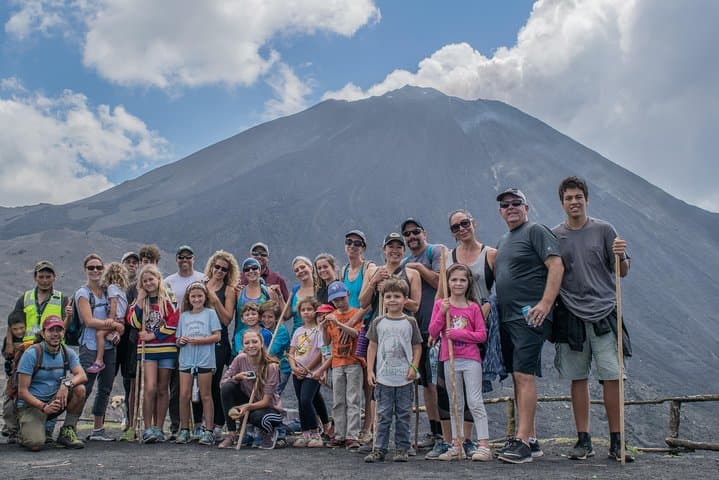
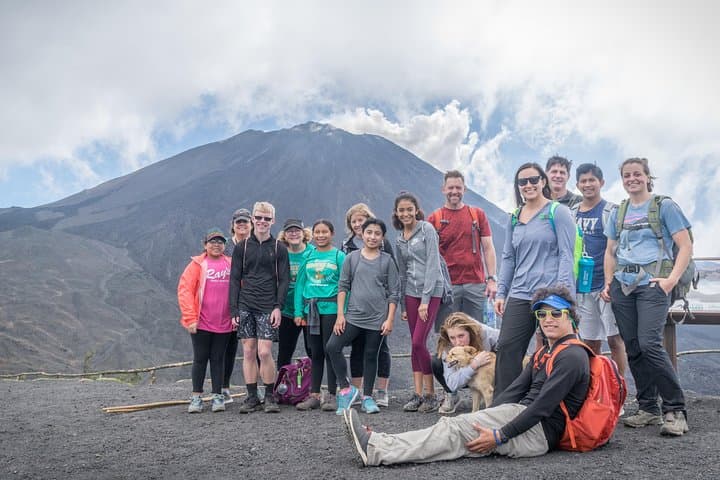
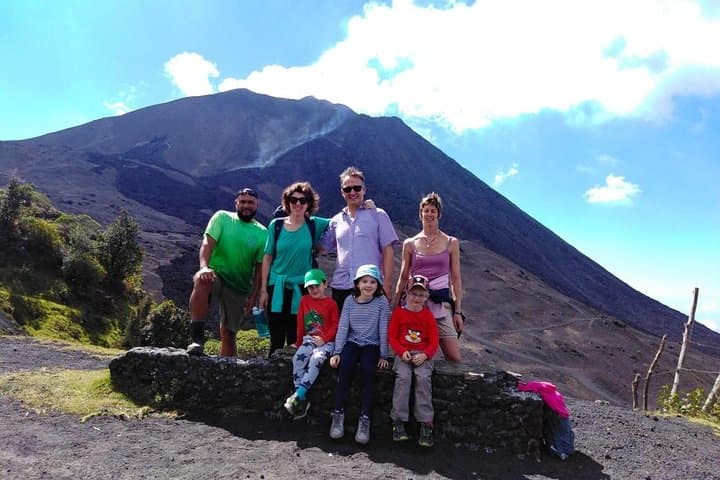
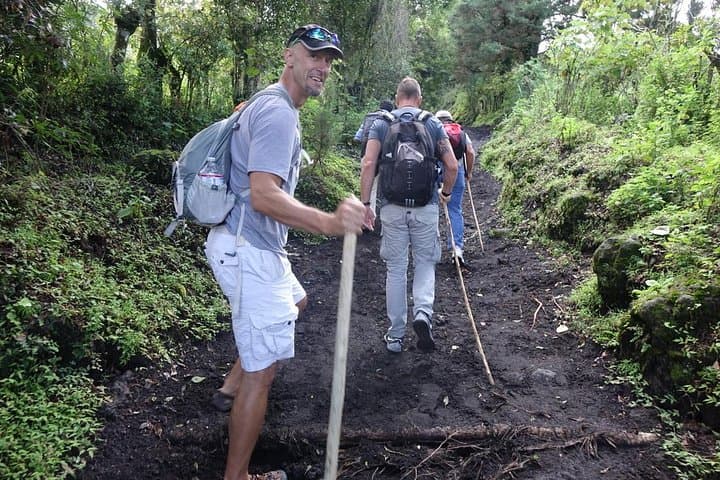
The road from Antigua climbs and unwinds until the city’s tile roofs shrink behind you; at the park office the air feels drier, mineral, as if the landscape itself is waiting. The hike up Pacaya pushes through farmland and patches of cloud forest before opening onto la Meseta — a broad, stony shelf where recent lava flows spread like black, folded waves and the crater’s plume keeps a steady watch.
Verified experiences and guided adventures in the surrounding area.
Operated by OLD TOWN OUTFITTERS · Antigua Guatemala, Sacatepéquez
The road from Antigua climbs and unwinds until the city’s tile roofs shrink behind you; at the park office the air feels drier, mineral, as if the landscape itself is waiting. The hike up Pacaya pushes through farmland and patches of cloud forest before opening onto la Meseta — a broad, stony shelf where recent lava flows spread like black, folded waves and the crater’s plume keeps a steady watch.
Geology here is immediate: Pacaya is one of Guatemala’s youngest, most active volcanoes, resurfacing the slope with basalt flows that cool into sharp, porous rock. From the plateau you can pick out the smoking summit and line up Agua, Fuego and Acatenango on the horizon — a living lesson in volcanic chains. Local guides weave history and practical sense into the walk: how eruptions have shaped soil, how nearby farmers harvest the fertile slopes, and why the park needs careful foot traffic.
Expect roughly 1.5 hours of uphill on mixed volcanic scree and packed earth, time to explore the lava fields, and a picnic as the sun lowers behind other cones. The descent moves through a quieter forest and smallholdings, returning to Antigua in late afternoon. Practical tips: bring two liters of water, sturdy boots with good grip, a warm layer for windy ridgelines and a headlamp if you plan to watch the last light fade. Guides are bilingual and first-aid trained; their role is as much about route choice and safety as storytelling. Pacaya’s landscape dares you to move carefully — the rock is sharp and the views reward patience.
moderate.
8 hours.
Suitable for hikers in moderate shape who can sustain 1–2 hours of uphill walking at altitude; brief scrambling over lava requires balance.
The guided tour is about 8 hours total with approximately 1.5 hours uphill; expect moderate exertion on mixed volcanic terrain and some uneven footing.
Guides monitor volcanic activity and stick to permitted areas and cooled lava flows; direct lava contact is avoided and national park rules protect visitors—follow guide instructions.
Children are allowed from age 6 but must be accompanied by an adult; parents should assess their child’s stamina and comfort on steep or rocky sections.
The tour includes transport, park fees, a picnic lunch and a bilingual guide; bring hiking boots, 2 liters of water, sun protection and a warm layer—rain gear in May–October.
Pacaya rose as a distinct cone in the 16th century but became especially active after eruptions began reshaping its flanks in the 20th century; local communities have adapted farming and lore around periodic lava flows.
Pacaya National Park manages access to preserve fragile lava fields and vegetation; stay on marked trails, avoid collecting rocks, and pack out all trash to limit erosion and habitat disturbance.
OLD TOWN OUTFITTERS operates guided outdoor trips and adventures with an emphasis on safety, stewardship, and memorable experiences.
The road from Antigua climbs and unwinds until the city’s tile roofs shrink behind you; at the park office the air feels drier, mineral, as if the landscape itself is waiting. The hike up Pacaya pushes through farmland and patches of cloud forest before opening onto la Meseta — a broad, stony shelf where recent lava flows spread like black, folded waves and the crater’s plume keeps a steady watch.
The road from Antigua climbs and unwinds until the city’s tile roofs shrink behind you; at the park office the air feels drier, mineral, as if the landscape itself is waiting. The hike up Pacaya pushes through farmland and patches of cloud forest before opening onto la Meseta — a broad, stony shelf where recent lava flows spread like black, folded waves and the crater’s plume keeps a steady watch.
Geology here is immediate: Pacaya is one of Guatemala’s youngest, most active volcanoes, resurfacing the slope with basalt flows that cool into sharp, porous rock. From the plateau you can pick out the smoking summit and line up Agua, Fuego and Acatenango on the horizon — a living lesson in volcanic chains. Local guides weave history and practical sense into the walk: how eruptions have shaped soil, how nearby farmers harvest the fertile slopes, and why the park needs careful foot traffic.
Expect roughly 1.5 hours of uphill on mixed volcanic scree and packed earth, time to explore the lava fields, and a picnic as the sun lowers behind other cones. The descent moves through a quieter forest and smallholdings, returning to Antigua in late afternoon. Practical tips: bring two liters of water, sturdy boots with good grip, a warm layer for windy ridgelines and a headlamp if you plan to watch the last light fade. Guides are bilingual and first-aid trained; their role is as much about route choice and safety as storytelling. Pacaya’s landscape dares you to move carefully — the rock is sharp and the views reward patience.