THE ADVENTURE COLLECTIVE® · Independent discovery and booking for outdoor travel

Hike Pacaya from Puerto Quetzal to stand near an active crater and walk over recent lava fields. This half-day tour combines volcanic geology, coastal-to-highland views, and a short but steady climb suitable for fit hikers.
Hike Pacaya from Puerto Quetzal to stand near an active crater and walk over recent lava fields. This half-day tour combines volcanic geology, coastal-to-highland views, and a short but steady climb suitable for fit hikers.
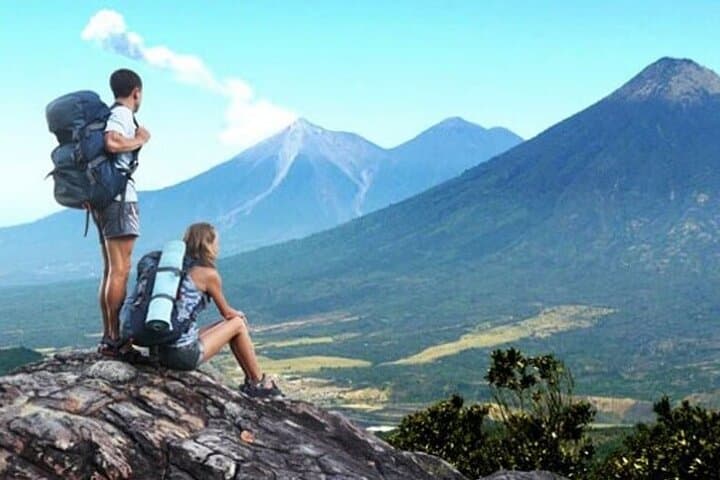
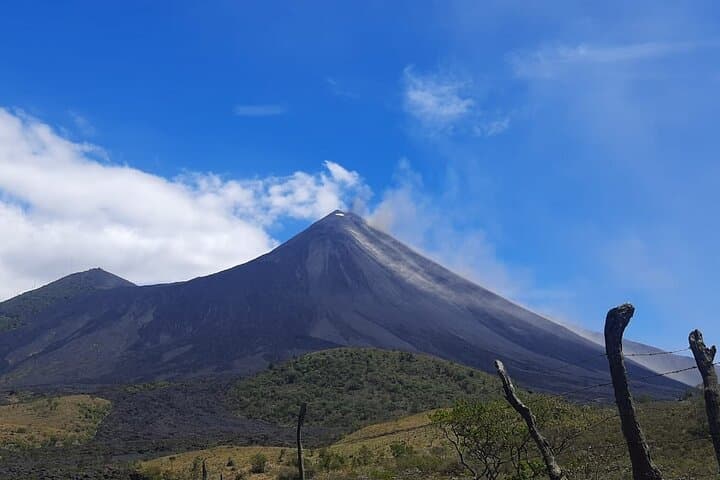
A low, sulfur-scented wind meets you as you step from the vehicle onto baked black rock; the volcano seems to breathe, letting out slow puffs where steam escapes the cooled crust. From the trailhead at San Francisco de Sales the path climbs over fern pockets and hardened lava flows, trading shaded forest steps for an exposed, moonscape ridge that leads to Pacaya’s active crater.
Verified experiences and guided adventures in the surrounding area.
Operated by Guate Tours by Nelson. · San Francisco de Sales, Escuintla
A low, sulfur-scented wind meets you as you step from the vehicle onto baked black rock; the volcano seems to breathe, letting out slow puffs where steam escapes the cooled crust. From the trailhead at San Francisco de Sales the path climbs over fern pockets and hardened lava flows, trading shaded forest steps for an exposed, moonscape ridge that leads to Pacaya’s active crater.
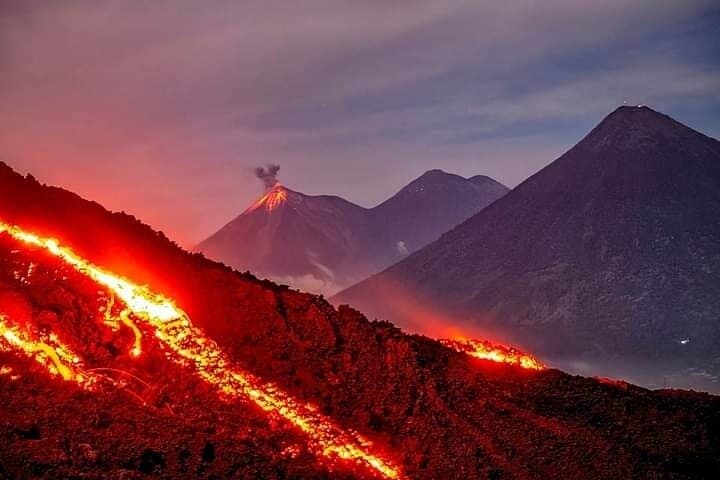
Pacaya has been intermittently active for centuries and its recent eruptions reshaped the slopes with fresh pahoehoe and aa flows. Geologically young compared with the older Guatemalan volcanoes, it offers visitors a live look at basaltic lava fields, fumaroles, and oven-like holes where heat still lingers. The route also threads through local coffee farms and small villages whose residents have long adapted to living in volcanic shadow; guides often point out places where recent lava diverted roads and changed land use.
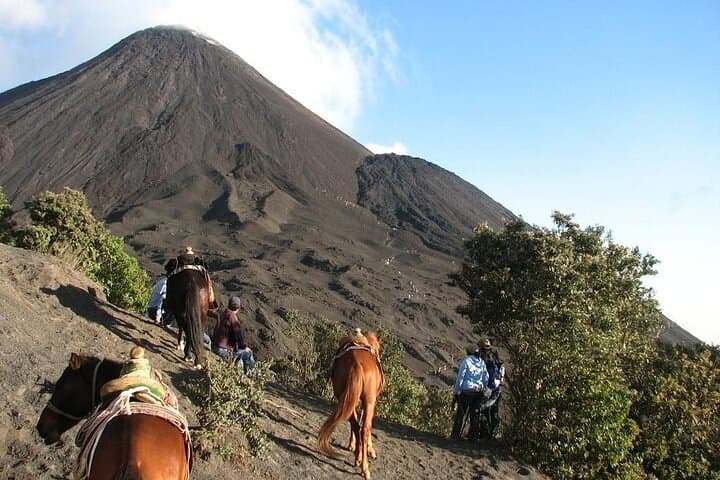
Expect steep, rocky footing and sections of loose volcanic scree. The climb itself is short but intense—roughly 1–1.5 hours up for fit hikers—so pace matters. Guides sometimes offer horses for parts of the ascent for those who prefer it. On the summit plateau you can walk onto cooled lava, peer into steaming vents, and—if permitted—toast marshmallows above warm vents for a memorable treat.
Practical notes: bring layered clothing for sharp temperature swings, 2–3 liters of water, sun protection, and sturdy boots with good traction. Tours from the port include transport and entrance fees; allow six hours total for transfers, trekking, and time at the crater.
challenging.
4–6 hours.
Good cardiovascular fitness and comfort on uneven, steep terrain; able to hike up to 3 miles with 300–600 m elevation gain.
The uphill section typically takes about 1–1.5 hours; return is faster (about 1 hour); total tour time including transfers is around 4–6 hours.
Pacaya is active but tours stick to established routes and viewing areas; guides monitor conditions and avoid fresh flows—follow guide instructions at all times.
Yes, many operators offer a horse option for parts of the ascent; availability varies and may have weight or health restrictions.
Some guides provide supervised areas where you can roast marshmallows over natural vents; cooks and guides control fire use and safety.
Pacaya’s eruptions have periodically reshaped local routes and farmland; settlements adapted by building around older flows and using volcanic soils for coffee and crops.
Stay on marked trails, avoid taking rock or ash samples, and follow guide instructions to minimize impact on fragile volcanic features and nearby habitats.
Guate Tours by Nelson. operates guided outdoor trips and adventures with an emphasis on safety, stewardship, and memorable experiences.
A low, sulfur-scented wind meets you as you step from the vehicle onto baked black rock; the volcano seems to breathe, letting out slow puffs where steam escapes the cooled crust. From the trailhead at San Francisco de Sales the path climbs over fern pockets and hardened lava flows, trading shaded forest steps for an exposed, moonscape ridge that leads to Pacaya’s active crater.
A low, sulfur-scented wind meets you as you step from the vehicle onto baked black rock; the volcano seems to breathe, letting out slow puffs where steam escapes the cooled crust. From the trailhead at San Francisco de Sales the path climbs over fern pockets and hardened lava flows, trading shaded forest steps for an exposed, moonscape ridge that leads to Pacaya’s active crater.
Pacaya has been intermittently active for centuries and its recent eruptions reshaped the slopes with fresh pahoehoe and aa flows. Geologically young compared with the older Guatemalan volcanoes, it offers visitors a live look at basaltic lava fields, fumaroles, and oven-like holes where heat still lingers. The route also threads through local coffee farms and small villages whose residents have long adapted to living in volcanic shadow; guides often point out places where recent lava diverted roads and changed land use.
Expect steep, rocky footing and sections of loose volcanic scree. The climb itself is short but intense—roughly 1–1.5 hours up for fit hikers—so pace matters. Guides sometimes offer horses for parts of the ascent for those who prefer it. On the summit plateau you can walk onto cooled lava, peer into steaming vents, and—if permitted—toast marshmallows above warm vents for a memorable treat.
Practical notes: bring layered clothing for sharp temperature swings, 2–3 liters of water, sun protection, and sturdy boots with good traction. Tours from the port include transport and entrance fees; allow six hours total for transfers, trekking, and time at the crater.