THE ADVENTURE COLLECTIVE® · Independent discovery and booking for outdoor travel

Hit Pacaya from Antigua for a half-day guided hike across recent lava fields to panoramic volcanic views. Expect a 2–3 hour uphill trek, uneven volcanic terrain, and clear safety briefings from experienced guides.
Hit Pacaya from Antigua for a half-day guided hike across recent lava fields to panoramic volcanic views. Expect a 2–3 hour uphill trek, uneven volcanic terrain, and clear safety briefings from experienced guides.
You step out of Antigua's colonial morning into a landscape that changes by the mile: farms and coffee fincas give way to black, sharp lava fields, and the trail climbs toward a smoking cone. Wind carries the metallic smell of sulfur as the path rises; distant peaks like Acatenango watch from across the valley while Pacaya’s fumaroles whisper reminders of recent eruptions.
Verified experiences and guided adventures in the surrounding area.
Operated by MB Guatemaya Travel · Antigua Guatemala, Sacatepéquez
You step out of Antigua's colonial morning into a landscape that changes by the mile: farms and coffee fincas give way to black, sharp lava fields, and the trail climbs toward a smoking cone. Wind carries the metallic smell of sulfur as the path rises; distant peaks like Acatenango watch from across the valley while Pacaya’s fumaroles whisper reminders of recent eruptions.
Pacaya is one of Guatemala’s most active volcanoes and part of the Central American Volcanic Arc. Geologically young, its basaltic flows have reshaped local soils and roads repeatedly since the 1960s. The hike threads across lava fields and forest patches, revealing how communities and agriculture — especially coffee — have adapted to periodic ash and fertile afterflows. Guides often point out how eruptions shaped local trade and told stories that tie geology to culture.
Practical guidance is direct: the tour runs from Antigua with a roughly one-hour drive each way and a 2–3 hour, mostly uphill hike to viewpoints around 7,500–8,000 feet above sea level. Trails vary from packed dirt to rough pahoehoe and aa lava, so expect loose, uneven footing and short steep sections. Bring layers for wind and ash, at least 1–2 liters of water, sun protection, and sturdy boots. If volcanic activity is heightened, route changes or restrictions are possible; follow your guide’s directions without hesitation. The half-day format leaves time for Antigua’s cobblestones and coffee after the hike, making this an efficient, high-reward outing for travelers comfortable on a sustained uphill walk at altitude.
moderate.
5–6 hours (round trip, including transfers).
Suitable for travelers with basic aerobic fitness able to sustain 2–3 hours of uphill walking at altitude; expect short steep sections.
The ascent is rated moderate: 2–3 hours uphill with uneven volcanic terrain; no technical climbing is required but a steady pace and good shoes help.
Pacaya is active and monitored; guides adjust routes and close danger zones when activity increases—check conditions on the day and follow guide instructions.
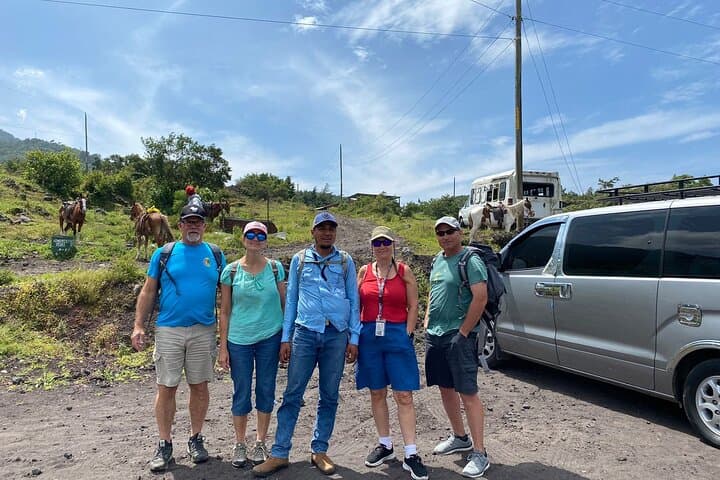
Tours typically include hotel pickup and drop-off from Antigua, with a roughly one-hour drive each way depending on traffic.
Children may join if accompanied by an adult, but very young children (under 3) are generally not recommended due to terrain and duration.
Pacaya’s modern eruptive history has been active since the mid-20th century; eruptions have repeatedly altered local routes and enriched soils for coffee production.
Stay on marked trails to avoid fragile regrowth over lava and carry out all trash; support licensed local guides who follow park rules and safe access protocols.
MB Guatemaya Travel operates guided outdoor trips and adventures with an emphasis on safety, stewardship, and memorable experiences.
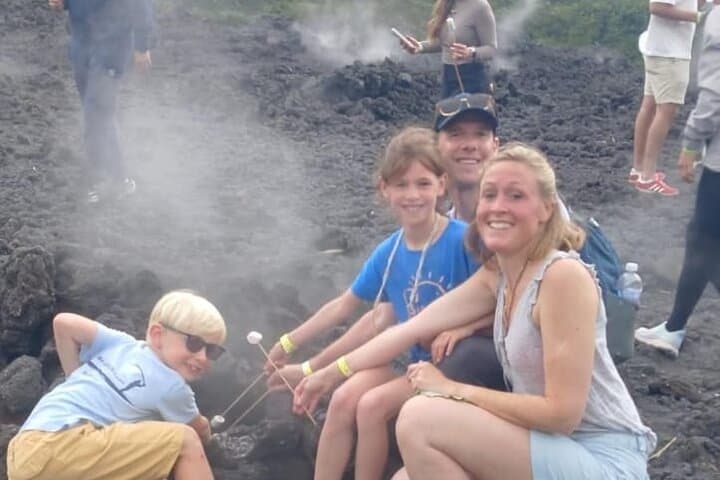
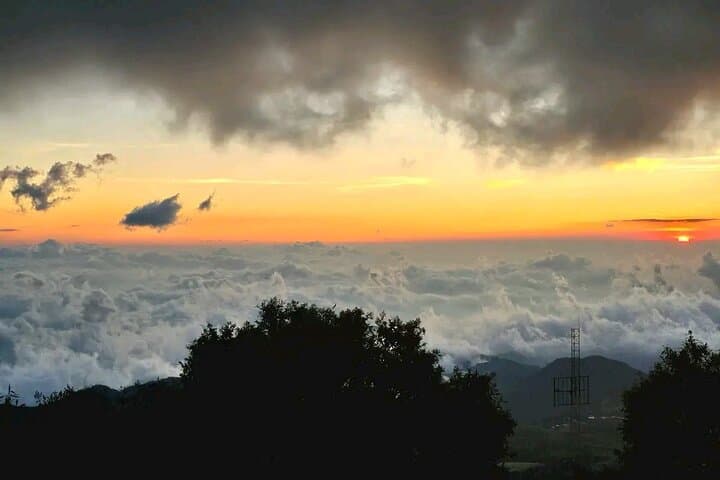
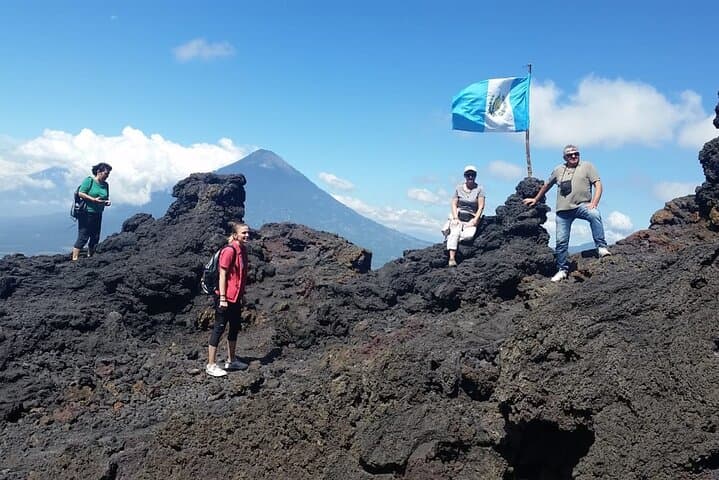
You step out of Antigua's colonial morning into a landscape that changes by the mile: farms and coffee fincas give way to black, sharp lava fields, and the trail climbs toward a smoking cone. Wind carries the metallic smell of sulfur as the path rises; distant peaks like Acatenango watch from across the valley while Pacaya’s fumaroles whisper reminders of recent eruptions.
You step out of Antigua's colonial morning into a landscape that changes by the mile: farms and coffee fincas give way to black, sharp lava fields, and the trail climbs toward a smoking cone. Wind carries the metallic smell of sulfur as the path rises; distant peaks like Acatenango watch from across the valley while Pacaya’s fumaroles whisper reminders of recent eruptions.
Pacaya is one of Guatemala’s most active volcanoes and part of the Central American Volcanic Arc. Geologically young, its basaltic flows have reshaped local soils and roads repeatedly since the 1960s. The hike threads across lava fields and forest patches, revealing how communities and agriculture — especially coffee — have adapted to periodic ash and fertile afterflows. Guides often point out how eruptions shaped local trade and told stories that tie geology to culture.
Practical guidance is direct: the tour runs from Antigua with a roughly one-hour drive each way and a 2–3 hour, mostly uphill hike to viewpoints around 7,500–8,000 feet above sea level. Trails vary from packed dirt to rough pahoehoe and aa lava, so expect loose, uneven footing and short steep sections. Bring layers for wind and ash, at least 1–2 liters of water, sun protection, and sturdy boots. If volcanic activity is heightened, route changes or restrictions are possible; follow your guide’s directions without hesitation. The half-day format leaves time for Antigua’s cobblestones and coffee after the hike, making this an efficient, high-reward outing for travelers comfortable on a sustained uphill walk at altitude.