THE ADVENTURE COLLECTIVE® · Independent discovery and booking for outdoor travel

Climb over basalt fields and warm your hands at natural heat vents on a half-day guided hike to Pacaya Volcano from Antigua. This accessible trek combines dramatic volcanic terrain, cultural context, and practical logistics for a manageable adventure.
Climb over basalt fields and warm your hands at natural heat vents on a half-day guided hike to Pacaya Volcano from Antigua. This accessible trek combines dramatic volcanic terrain, cultural context, and practical logistics for a manageable adventure.
A cool, volcanic wind cuts across the slope as the minivan drops the group at the national park gate and the real climb begins.
Verified experiences and guided adventures in the surrounding area.
Operated by Destinos Turisticos 502 · Antigua Guatemala, Sacatepéquez
A cool, volcanic wind cuts across the slope as the minivan drops the group at the national park gate and the real climb begins.
The trail first threads through coffee farms and scrubby pines, then opens onto black basalt fields where steam sighs from old fissures. Pacaya’s summit route is a steady, sometimes rocky ascent; the final plateau gives a close view of fresh lava flows and heat vents where locals roast marshmallows and vendors sell warmed pizza — a stark, human counterpoint to the raw geology beneath.
Pacaya is one of Guatemala’s most active volcanoes; its frequent small eruptions have shaped the Valle de la Ermita for centuries. Geologically young and basaltic, its flows are relatively fluid, creating broad lava fields rather than towering spires. Culturally, guides will often point out nearby Antigua, a colonial city rebuilt after repeated quakes and a useful base for the hike.
Expect about 4–6 hours round-trip when taking the shared transfers from Antigua, with roughly 2–3 hours of walking on uneven, sometimes loose volcanic rock and occasional uphill grades. The air thins modestly at higher elevations and the ground radiates heat near vents, so salt-scorched stone and sudden gusts are part of the experience.
Practical tips: wear sturdy boots with good tread, bring layered clothing for wind and sun, carry at least 1–2 liters of water, and keep small cash for park fees, snacks, and the optional horseback return. If volcanic activity rises, guides and park rangers will alter routes; always follow their instructions.
moderate.
4–6 hours.
Moderate fitness—able to walk uphill on uneven terrain for 2–3 hours and manage short steep sections
The walking portion is generally 2–3 hours round-trip depending on pace and how far onto the plateau you go; tours include transport time from Antigua.
Guides and park rangers monitor conditions; small-scale activity is common and routes are chosen to avoid hazardous areas, but tours may be changed or canceled if activity increases.
Yes—local operators offer horseback sections for an extra fee, typically used for steeper initial slopes or return legs.
Most tours provide one bottle of water and transport; additional snacks, pizza at the lava field, and souvenirs are extra and usually paid in cash.
Pacaya’s eruptions have repeatedly altered local routes and settlements; Antigua’s colonial layout reflects rebuilding after seismic events in the 18th century.
Stay on marked trails to avoid fragile volcanic vegetation and do not remove rocks or scorch marks; local guides work with park authorities to minimize impact.
Destinos Turisticos 502 operates guided outdoor trips and adventures with an emphasis on safety, stewardship, and memorable experiences.


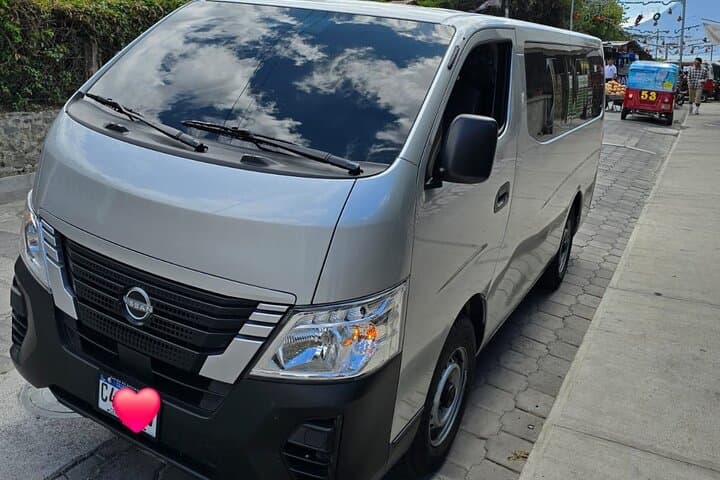
A cool, volcanic wind cuts across the slope as the minivan drops the group at the national park gate and the real climb begins.
A cool, volcanic wind cuts across the slope as the minivan drops the group at the national park gate and the real climb begins.
The trail first threads through coffee farms and scrubby pines, then opens onto black basalt fields where steam sighs from old fissures. Pacaya’s summit route is a steady, sometimes rocky ascent; the final plateau gives a close view of fresh lava flows and heat vents where locals roast marshmallows and vendors sell warmed pizza — a stark, human counterpoint to the raw geology beneath.
Pacaya is one of Guatemala’s most active volcanoes; its frequent small eruptions have shaped the Valle de la Ermita for centuries. Geologically young and basaltic, its flows are relatively fluid, creating broad lava fields rather than towering spires. Culturally, guides will often point out nearby Antigua, a colonial city rebuilt after repeated quakes and a useful base for the hike.
Expect about 4–6 hours round-trip when taking the shared transfers from Antigua, with roughly 2–3 hours of walking on uneven, sometimes loose volcanic rock and occasional uphill grades. The air thins modestly at higher elevations and the ground radiates heat near vents, so salt-scorched stone and sudden gusts are part of the experience.
Practical tips: wear sturdy boots with good tread, bring layered clothing for wind and sun, carry at least 1–2 liters of water, and keep small cash for park fees, snacks, and the optional horseback return. If volcanic activity rises, guides and park rangers will alter routes; always follow their instructions.