THE ADVENTURE COLLECTIVE® · Independent discovery and booking for outdoor travel

A half-day adventure from Antigua that combines a brisk volcanic hike with the unforgettable experience of roasting marshmallows on warm lava fields. Expect loose scree, steam vents, panoramic views, and a Q100 park fee.
A half-day adventure from Antigua that combines a brisk volcanic hike with the unforgettable experience of roasting marshmallows on warm lava fields. Expect loose scree, steam vents, panoramic views, and a Q100 park fee.
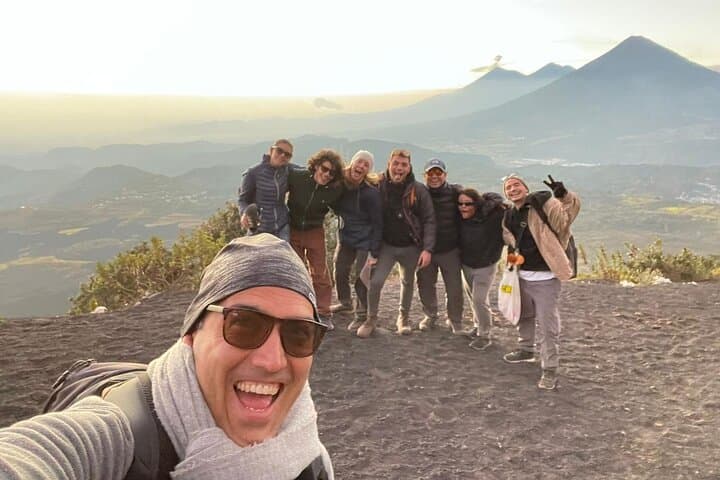
You step off the minibus just above the black, glassy fields and the air tastes faintly of sulfur—Pacaya’s heat reaching out like a dare. Guides from San Vicente Pacaya tighten straps, point to a jagged skyline, and the trail zigzags up through ash and hardened flows. The climb to the viewpoint is compact but honest: about 1.5 hours of loose volcanic scree, dirt switchbacks, and sudden, panoramic openings that look back toward Antigua and the distant cone of Agua.
Verified experiences and guided adventures in the surrounding area.
Operated by Turisteando.net · San Vicente Pacaya, Escuintla
You step off the minibus just above the black, glassy fields and the air tastes faintly of sulfur—Pacaya’s heat reaching out like a dare. Guides from San Vicente Pacaya tighten straps, point to a jagged skyline, and the trail zigzags up through ash and hardened flows. The climb to the viewpoint is compact but honest: about 1.5 hours of loose volcanic scree, dirt switchbacks, and sudden, panoramic openings that look back toward Antigua and the distant cone of Agua.
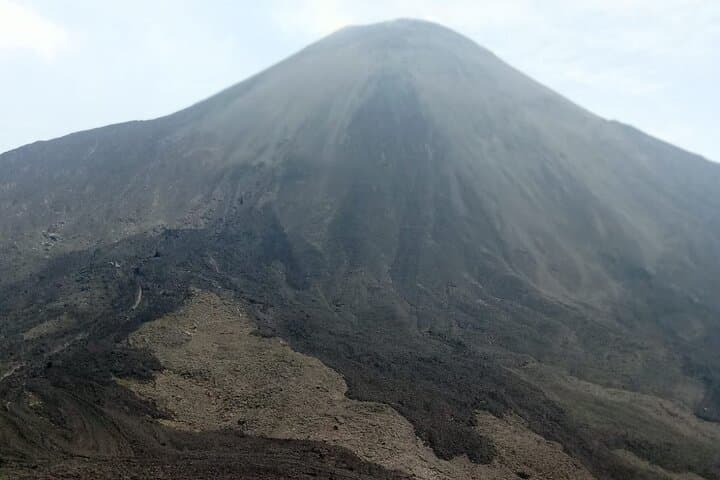
Pacaya has been one of Guatemala’s most active volcanoes since mid-20th-century eruptions reshaped its flanks; newer lava overlies older, weathered basalt, creating a staccato landscape of pillows and pahoehoe-like sheets. Locals have long read the flows—using pumice for construction, selling roasted corn and traditionally guided hikes—and the marshmallow ritual has become a modern, playful way to feel the heat without risking the vents.
Expect a moderate route with exposed sections, intermittent steam vents, and wide lava fields to explore for 20–30 minutes at the top. Bring cash: the Q100 park fee is usually paid on arrival. The round-trip tour from Antigua runs five to six hours including transfers, and the actual ascent is steep enough to raise your pulse—good fitness and sturdy footwear are the baseline.
Practical tips: hydrate, layer for wind and sun, keep to guides’ routes (new flows can be unstable), and pack out all trash. When you stand over warm cracks and toast a marshmallow, the volcano feels less like a postcard and more like a living, breathing landscape—an elemental place best approached with respect and a prepared pair of boots.
moderate.
5–6 hours.
Moderately fit: comfortable walking uphill for 1–2 hours and managing uneven terrain
The uphill portion to the main lava viewing area typically takes about 1.5 hours depending on pace and conditions; guides allow 20–30 minutes to explore the top.
The national park fee (approximately Q100) is usually paid on arrival and is not always included in tour pricing—bring cash to be safe.
Families with older, active children can usually participate, but the trail has loose, steep sections; infants and those with mobility limits are not recommended.
Guides select cooler, safe spots away from active vents for marshmallow roasting; follow their instructions and avoid any newly steaming cracks.
Pacaya’s repeated eruptions since the 1960s have built recent lava flows over older volcanic layers, shaping a landscape locals have navigated and used for generations.
Stay on established paths, don’t remove rocks or artifacts, and support certified local guides to minimize impact and help local economies.
Turisteando.net operates guided outdoor trips and adventures with an emphasis on safety, stewardship, and memorable experiences.
You step off the minibus just above the black, glassy fields and the air tastes faintly of sulfur—Pacaya’s heat reaching out like a dare. Guides from San Vicente Pacaya tighten straps, point to a jagged skyline, and the trail zigzags up through ash and hardened flows. The climb to the viewpoint is compact but honest: about 1.5 hours of loose volcanic scree, dirt switchbacks, and sudden, panoramic openings that look back toward Antigua and the distant cone of Agua.
You step off the minibus just above the black, glassy fields and the air tastes faintly of sulfur—Pacaya’s heat reaching out like a dare. Guides from San Vicente Pacaya tighten straps, point to a jagged skyline, and the trail zigzags up through ash and hardened flows. The climb to the viewpoint is compact but honest: about 1.5 hours of loose volcanic scree, dirt switchbacks, and sudden, panoramic openings that look back toward Antigua and the distant cone of Agua.
Pacaya has been one of Guatemala’s most active volcanoes since mid-20th-century eruptions reshaped its flanks; newer lava overlies older, weathered basalt, creating a staccato landscape of pillows and pahoehoe-like sheets. Locals have long read the flows—using pumice for construction, selling roasted corn and traditionally guided hikes—and the marshmallow ritual has become a modern, playful way to feel the heat without risking the vents.
Expect a moderate route with exposed sections, intermittent steam vents, and wide lava fields to explore for 20–30 minutes at the top. Bring cash: the Q100 park fee is usually paid on arrival. The round-trip tour from Antigua runs five to six hours including transfers, and the actual ascent is steep enough to raise your pulse—good fitness and sturdy footwear are the baseline.
Practical tips: hydrate, layer for wind and sun, keep to guides’ routes (new flows can be unstable), and pack out all trash. When you stand over warm cracks and toast a marshmallow, the volcano feels less like a postcard and more like a living, breathing landscape—an elemental place best approached with respect and a prepared pair of boots.