THE ADVENTURE COLLECTIVE® · Independent discovery and booking for outdoor travel

A half-day pilgrimage walk on Mount Oyama that pairs centuries-old shrine visits with a locally sourced ramen lunch. Perfect for travelers seeking cultural history and manageable mountain walking close to Tokyo.
A half-day pilgrimage walk on Mount Oyama that pairs centuries-old shrine visits with a locally sourced ramen lunch. Perfect for travelers seeking cultural history and manageable mountain walking close to Tokyo.
One hour from central Tokyo the air changes — cooler, tinged with cedar and the mineral scent of stone. You arrive at a gate of vermilion torii and begin a walk that follows the pilgrim’s rhythm: steps, pauses, offerings. The shrine grounds open like a series of focused rooms: lantern-lined stairways, mossed stone, and a lower shrine where wind and prayer meet.
Verified experiences and guided adventures in the surrounding area.
Operated by NA short retreat · Isehara, Kanagawa
One hour from central Tokyo the air changes — cooler, tinged with cedar and the mineral scent of stone. You arrive at a gate of vermilion torii and begin a walk that follows the pilgrim’s rhythm: steps, pauses, offerings. The shrine grounds open like a series of focused rooms: lantern-lined stairways, mossed stone, and a lower shrine where wind and prayer meet.
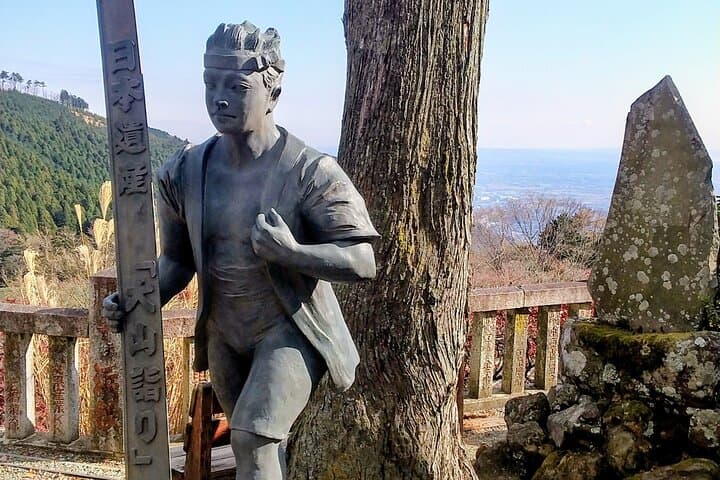
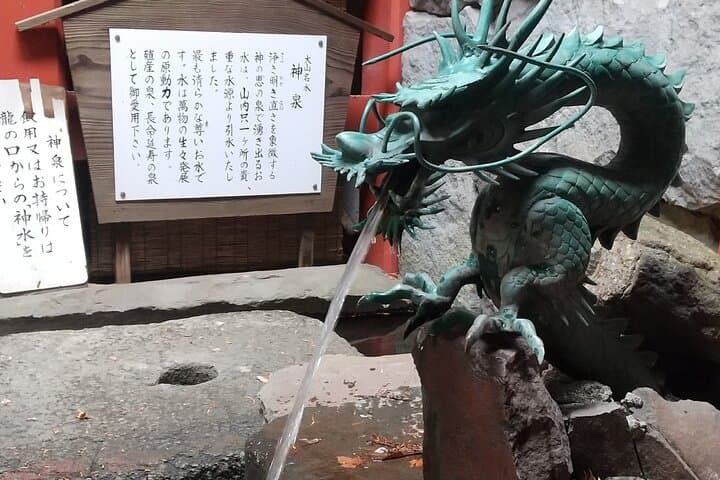
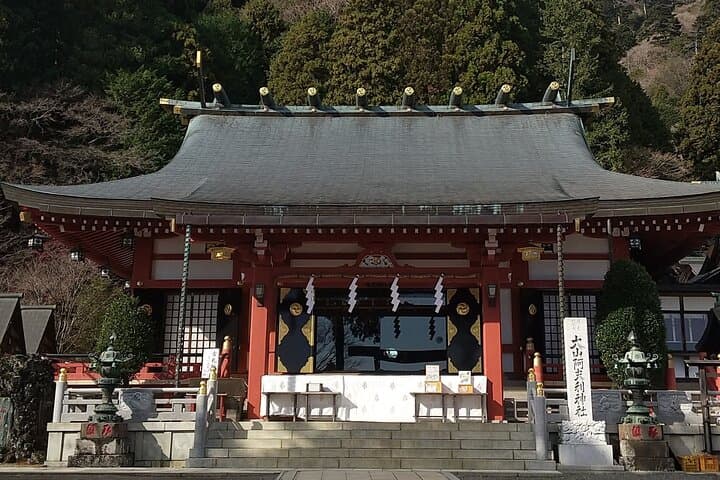
Oyama Afuri Shrine has drawn pilgrims for centuries; Afuri refers to rain, and the mountain’s cult developed around water and agricultural rites during the Edo period when processions from Edo (old Tokyo) swelled this route’s importance. Geologically the mountain is part of the foothills of the Tanzawa range — steep, schist and sandstone underfoot, with wooded gullies that funnel sudden breezes. Hinata Yakushi Temple, with Buddhist carvings designated Important Cultural Properties, adds a layer of syncretic history: Shinto and Buddhist practice overlapping along the trail.
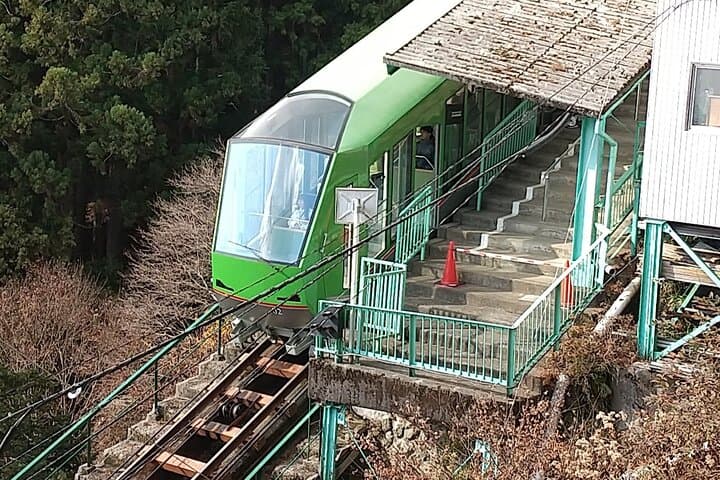
Practical notes: expect stone stairways and uneven paving — comfortable walking shoes and steady footing are essential. Public buses connect the shrine route with Isehara Station; the tour includes a locally sourced ramen lunch in a renovated pilgrim lodge, an easy cultural highlight. Carry modest clothing for shrine etiquette, some cash for small purchases, and layers for rapidly changing mountain weather. Hydration matters: even a relaxed six-hour day can sap energy on steep sections. Move deliberately, give space to worshipers, and let the mountain’s silence lead the pace — the path will demand attention but reward it with clear views and a sense of continuity between landscape and ritual.
easy.
6 hours.
Suitable for travelers in light to moderate physical shape; able to handle multiple flights of stone steps and short steep sections.
Take the Odakyu Line or JR to Isehara Station and transfer to the local bus that serves Mount Oyama; the tour information confirms exact bus stops and times.
Yes — the tour includes a locally sourced ramen lunch served in a renovated pilgrim’s lodge-style restaurant.
The tour is labeled easy but involves stone stairways and some uneven terrain; it’s not recommended for people with serious spinal, heart, or pregnancy-related restrictions.
Children can join but must be supervised; younger children may need help on stairs and longer sections of walking.
Oyama Afuri Shrine became a major Edo-period pilgrimage site devoted to rainfall and agricultural fertility; competing Shinto and Buddhist practices have coexisted here for centuries.
Trails are managed to protect sacred spaces and fragile understory; stay on marked paths, avoid littering, and don’t disturb wildlife or cultural artifacts.
NA short retreat operates guided outdoor trips and adventures with an emphasis on safety, stewardship, and memorable experiences.
One hour from central Tokyo the air changes — cooler, tinged with cedar and the mineral scent of stone. You arrive at a gate of vermilion torii and begin a walk that follows the pilgrim’s rhythm: steps, pauses, offerings. The shrine grounds open like a series of focused rooms: lantern-lined stairways, mossed stone, and a lower shrine where wind and prayer meet.
One hour from central Tokyo the air changes — cooler, tinged with cedar and the mineral scent of stone. You arrive at a gate of vermilion torii and begin a walk that follows the pilgrim’s rhythm: steps, pauses, offerings. The shrine grounds open like a series of focused rooms: lantern-lined stairways, mossed stone, and a lower shrine where wind and prayer meet.
Oyama Afuri Shrine has drawn pilgrims for centuries; Afuri refers to rain, and the mountain’s cult developed around water and agricultural rites during the Edo period when processions from Edo (old Tokyo) swelled this route’s importance. Geologically the mountain is part of the foothills of the Tanzawa range — steep, schist and sandstone underfoot, with wooded gullies that funnel sudden breezes. Hinata Yakushi Temple, with Buddhist carvings designated Important Cultural Properties, adds a layer of syncretic history: Shinto and Buddhist practice overlapping along the trail.
Practical notes: expect stone stairways and uneven paving — comfortable walking shoes and steady footing are essential. Public buses connect the shrine route with Isehara Station; the tour includes a locally sourced ramen lunch in a renovated pilgrim lodge, an easy cultural highlight. Carry modest clothing for shrine etiquette, some cash for small purchases, and layers for rapidly changing mountain weather. Hydration matters: even a relaxed six-hour day can sap energy on steep sections. Move deliberately, give space to worshipers, and let the mountain’s silence lead the pace — the path will demand attention but reward it with clear views and a sense of continuity between landscape and ritual.