THE ADVENTURE COLLECTIVE® · Independent discovery and booking for outdoor travel

Solve cryptic clues at your own pace and follow interactive maps through Oxford’s colleges, taverns and hidden corners. This self-guided mobile treasure hunt blends local history with playful puzzles for 2–3 hours of outdoor exploration.
Solve cryptic clues at your own pace and follow interactive maps through Oxford’s colleges, taverns and hidden corners. This self-guided mobile treasure hunt blends local history with playful puzzles for 2–3 hours of outdoor exploration.
Morning light finds you threading through narrow lanes off Cornmarket, the stones underfoot keeping score of centuries. A chirpy message pings on your phone, a map unfurls and the game—led by a fictional host called Captain Bess—begins. You move at your own pace, solving short riddles that direct you toward colleges, taverns and odd shop windows the guide teases you to inspect.
Verified experiences and guided adventures in the surrounding area.
Operated by Treasure Hunt Oxford · Oxford, Oxfordshire
Morning light finds you threading through narrow lanes off Cornmarket, the stones underfoot keeping score of centuries. A chirpy message pings on your phone, a map unfurls and the game—led by a fictional host called Captain Bess—begins. You move at your own pace, solving short riddles that direct you toward colleges, taverns and odd shop windows the guide teases you to inspect.
Oxford is as much built memory as living city: medieval colleges layered over Jurassic limestone, river meanders that shaped early trade routes, and pubs that heard the arguments of scholars and rebels. The hunt intentionally points to architectural quirks—hooded doorways, carved bosses—and local stories that make the place human: college rivalries, printing presses, and the river’s role in commerce.
Culturally the route balances tourist staples with lesser-noted nooks; the maps offer flexibility so you can pause at a courtyard or improvise a pub stop. The experience is entirely outdoors, phone-based and wheelchair friendly, letting groups self-pace while still delivering historical context.
Practical guide: plan for roughly 2–3 hours on foot, wear city-friendly walking shoes, and leave a buffer for cafés or detours. Download a local map or enable offline data in case cell coverage drops in tight medieval streets. Bring a lightweight rain layer—Oxford weather can change fast—and a fully charged phone to run the game without interruption.
By the end you’ll have a quick, playful orientation to Oxford’s streets and stories—the kind of route that helps you decide which college gates, museums or riverside benches deserve a return visit.
moderate.
2–3 hours.
Suitable for people with moderate mobility and basic walking fitness; expect several short walks and some standing while solving clues.
After booking you receive a link; open it on your phone at any time to begin—no app download required, and you can start whenever you like.
Yes—routes are designed to be wheelchair and stroller accessible, though some older streets may have uneven paving; check specific route notes before starting.
The game supports sharing the link with everyone in your party; it’s easy to play as a team, but one device can also guide a group.
Cancel at least 24 hours before your scheduled time for a full refund; bookings made within 24 hours are non-refundable.
Oxford’s streets grew from a Saxon crossing point and expanded through medieval university endowments; much of the city’s character comes from centuries of continuous academic life.
Stick to marked streets and avoid trampling green banks along the river; many colleges manage fragile historic gardens—observe signage and respect restricted areas.
Treasure Hunt Oxford operates guided outdoor trips and adventures with an emphasis on safety, stewardship, and memorable experiences.

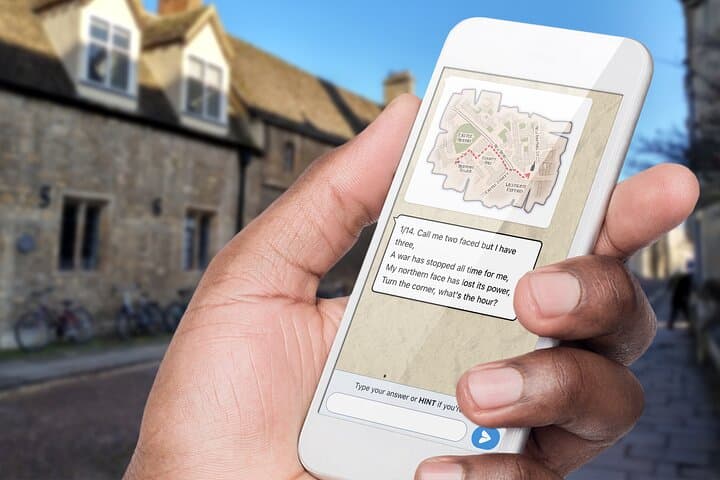

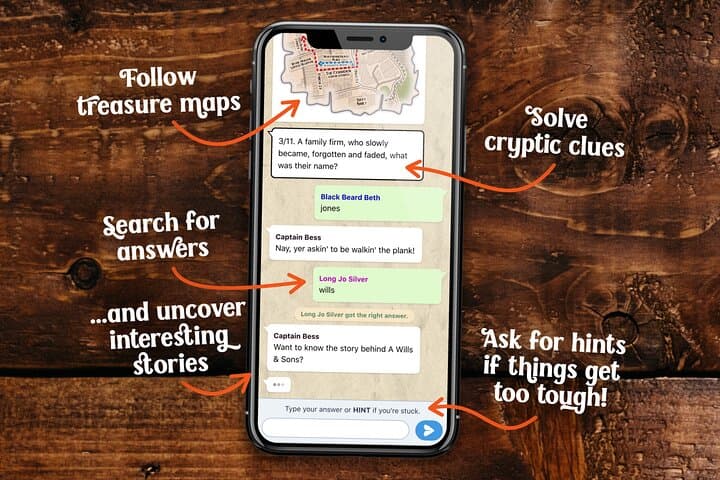
Morning light finds you threading through narrow lanes off Cornmarket, the stones underfoot keeping score of centuries. A chirpy message pings on your phone, a map unfurls and the game—led by a fictional host called Captain Bess—begins. You move at your own pace, solving short riddles that direct you toward colleges, taverns and odd shop windows the guide teases you to inspect.
Morning light finds you threading through narrow lanes off Cornmarket, the stones underfoot keeping score of centuries. A chirpy message pings on your phone, a map unfurls and the game—led by a fictional host called Captain Bess—begins. You move at your own pace, solving short riddles that direct you toward colleges, taverns and odd shop windows the guide teases you to inspect.
Oxford is as much built memory as living city: medieval colleges layered over Jurassic limestone, river meanders that shaped early trade routes, and pubs that heard the arguments of scholars and rebels. The hunt intentionally points to architectural quirks—hooded doorways, carved bosses—and local stories that make the place human: college rivalries, printing presses, and the river’s role in commerce.
Culturally the route balances tourist staples with lesser-noted nooks; the maps offer flexibility so you can pause at a courtyard or improvise a pub stop. The experience is entirely outdoors, phone-based and wheelchair friendly, letting groups self-pace while still delivering historical context.
Practical guide: plan for roughly 2–3 hours on foot, wear city-friendly walking shoes, and leave a buffer for cafés or detours. Download a local map or enable offline data in case cell coverage drops in tight medieval streets. Bring a lightweight rain layer—Oxford weather can change fast—and a fully charged phone to run the game without interruption.
By the end you’ll have a quick, playful orientation to Oxford’s streets and stories—the kind of route that helps you decide which college gates, museums or riverside benches deserve a return visit.