THE ADVENTURE COLLECTIVE® · Independent discovery and booking for outdoor travel

Walk Oxford’s streets with university researchers uncovering the city’s medical past—from medieval plagues and pub inoculations to penicillin trials and wartime medicine. This 1 hour 45 minute Uncomfortable Oxford™ tour pairs rigorous history with pointed ethical discussion.
Walk Oxford’s streets with university researchers uncovering the city’s medical past—from medieval plagues and pub inoculations to penicillin trials and wartime medicine. This 1 hour 45 minute Uncomfortable Oxford™ tour pairs rigorous history with pointed ethical discussion.
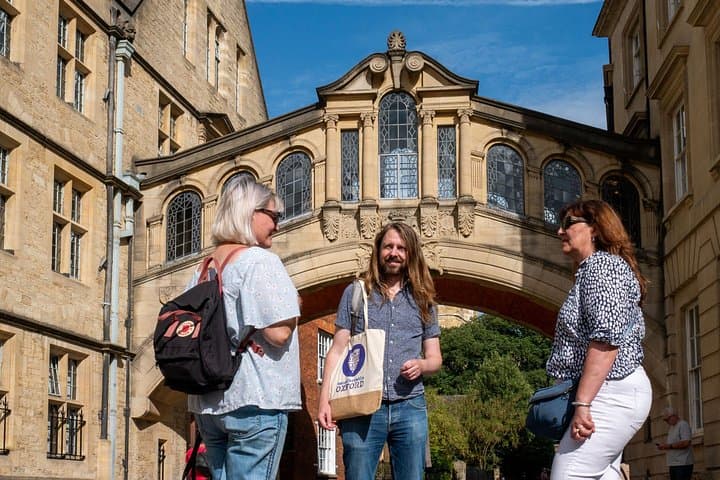
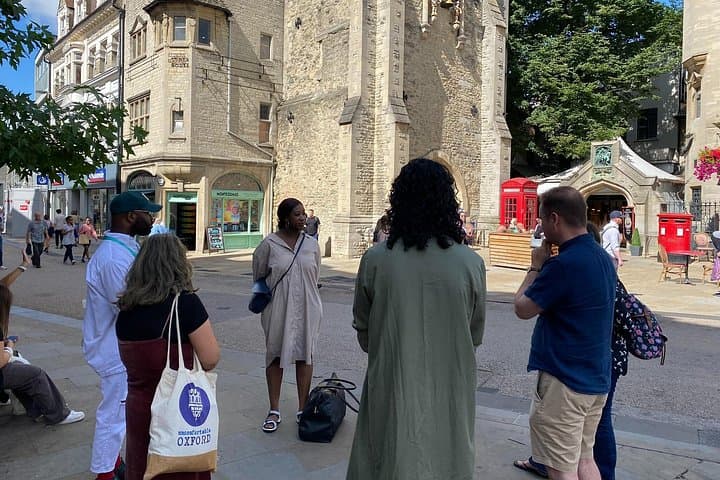
You step under Hertford Bridge’s stone arch and the city seems to inhale: cobbled lanes, college gates, and the distant clatter of buses. The Uncomfortable Oxford™ History of Medicine tour uses these familiar streets as a stage — guides are university researchers who combine archival detail with a deliberate, critical eye.
Verified experiences and guided adventures in the surrounding area.
Operated by Uncomfortable Oxford · Oxford, Oxfordshire
You step under Hertford Bridge’s stone arch and the city seems to inhale: cobbled lanes, college gates, and the distant clatter of buses. The Uncomfortable Oxford™ History of Medicine tour uses these familiar streets as a stage — guides are university researchers who combine archival detail with a deliberate, critical eye.
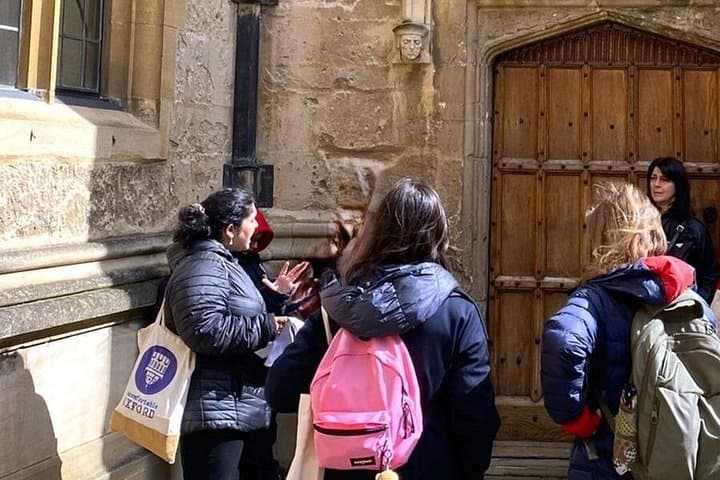
The route traces outbreaks, innovations and ethical turning points: medieval responses to plague outside New College; the anatomy lessons held in the old libraries; improvised inoculation practices discussed over former pub sites; and wartime advances recalled at St. Giles’ Memorial Garden. Oxford’s role in early penicillin trials and the emergence of the medical school are explained alongside conversations about class, empire and the contested control of bodies.
Geology and layout matter here: narrow medieval streets and river crossings shaped where disease spread and where hospitals stood, while the city’s colleges became hubs for anatomical study. Cultural context is woven through—public houses as informal medical hubs, and museums where imperial science met medical practice.
Practical guidance: the tour runs about 1 hour 45 minutes and covers mostly flat urban pavement with several brief entries into historic buildings; it’s suitable for most fitness levels and is wheelchair accessible. Expect intermittent standing, variable weather, and pockets of crowds near popular colleges. Bring a refillable water bottle, wear sturdy walking shoes, and arrive 10 minutes early to find the meeting point beneath the bridge. Ask guides about primary sources and follow-up reading—the tour is as much a prompt for questions as it is a walk through history.
easy.
1–2 hours.
Suitable for most fitness levels; requires standing and walking on paved city streets.
Yes; the operator notes wheelchair accessible options and the route avoids steep climbs, though some historic entrances may be stepped—notify on booking for specific accommodations.
Tours are conducted in English by university-trained guides; private or group options in other languages may be available on request.
The tour starts under Hertford Bridge (the Bridge of Sighs) and finishes outside the former city hospital, near central Oxford transport links.
Full refund if cancelled at least 24 hours before departure; tours may be cancelled for insufficient travelers—check booking confirmation for specifics.
Oxford’s medical story spans medieval public health, early anatomical study in university libraries, and 20th-century clinical trials that influenced national health policy.
Visitors are encouraged to stick to paved routes and respect college grounds; guided groups limit impact by using established public pathways.
Uncomfortable Oxford operates guided outdoor trips and adventures with an emphasis on safety, stewardship, and memorable experiences.

You step under Hertford Bridge’s stone arch and the city seems to inhale: cobbled lanes, college gates, and the distant clatter of buses. The Uncomfortable Oxford™ History of Medicine tour uses these familiar streets as a stage — guides are university researchers who combine archival detail with a deliberate, critical eye.
You step under Hertford Bridge’s stone arch and the city seems to inhale: cobbled lanes, college gates, and the distant clatter of buses. The Uncomfortable Oxford™ History of Medicine tour uses these familiar streets as a stage — guides are university researchers who combine archival detail with a deliberate, critical eye.
The route traces outbreaks, innovations and ethical turning points: medieval responses to plague outside New College; the anatomy lessons held in the old libraries; improvised inoculation practices discussed over former pub sites; and wartime advances recalled at St. Giles’ Memorial Garden. Oxford’s role in early penicillin trials and the emergence of the medical school are explained alongside conversations about class, empire and the contested control of bodies.
Geology and layout matter here: narrow medieval streets and river crossings shaped where disease spread and where hospitals stood, while the city’s colleges became hubs for anatomical study. Cultural context is woven through—public houses as informal medical hubs, and museums where imperial science met medical practice.
Practical guidance: the tour runs about 1 hour 45 minutes and covers mostly flat urban pavement with several brief entries into historic buildings; it’s suitable for most fitness levels and is wheelchair accessible. Expect intermittent standing, variable weather, and pockets of crowds near popular colleges. Bring a refillable water bottle, wear sturdy walking shoes, and arrive 10 minutes early to find the meeting point beneath the bridge. Ask guides about primary sources and follow-up reading—the tour is as much a prompt for questions as it is a walk through history.