THE ADVENTURE COLLECTIVE® · Independent discovery and booking for outdoor travel

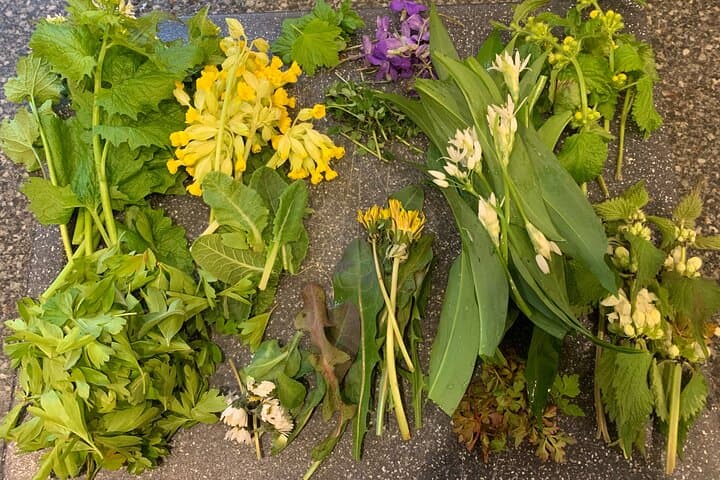
Walk Oxford’s quieter green corridors with an expert guide and learn to identify around 50 edible (and a few poisonous) wild plants. This 2–2.5 hour beginner tour includes tastings and a booklet of recipes and health notes.
Walk Oxford’s quieter green corridors with an expert guide and learn to identify around 50 edible (and a few poisonous) wild plants. This 2–2.5 hour beginner tour includes tastings and a booklet of recipes and health notes.
Morning light slips between plane trees as a small group sets off along a riverside path on the edge of Oxford. The guide kneels by a low hedge, pointing to a glossy leaf and a dry seed pod; the air smells faintly of citrus and damp earth. This beginner-focused foraging walk leads through parkland, hedgerows and the quieter green corridors of the city, offering up to 50 edible species alongside a handful of lookalike toxic plants for careful comparison.
Verified experiences and guided adventures in the surrounding area.
Operated by Foraging & More - www.foragingandmore.com · Oxford, Oxfordshire
Morning light slips between plane trees as a small group sets off along a riverside path on the edge of Oxford. The guide kneels by a low hedge, pointing to a glossy leaf and a dry seed pod; the air smells faintly of citrus and damp earth. This beginner-focused foraging walk leads through parkland, hedgerows and the quieter green corridors of the city, offering up to 50 edible species alongside a handful of lookalike toxic plants for careful comparison.
Foraging in and around Oxford sits at the crossroads of long herbal traditions and modern botanical science — the Oxford Botanic Garden (founded 1621) helped formalize plant study in the region, and the city’s green spaces are shaped by riverine alluvium and ancient field boundaries. The geology is gentle: floodplain soils, limestone influence in nearby areas and well-drained park turf that supports nettles, sorrel, wild garlic and early mushrooms.
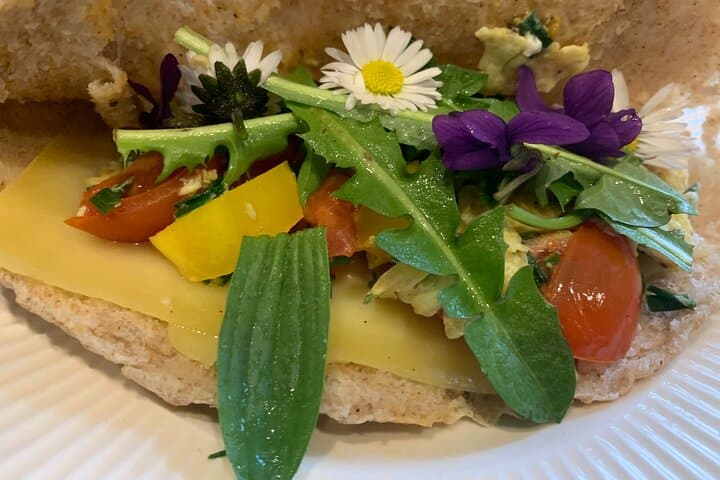
Practical guidance: expect 2–2.5 hours of mostly flat walking on mixed surfaced paths; comfortable shoes and an eye for identification are enough. The guide demonstrates a simple foraging code — take only common plants, harvest sustainably, and never eat anything unless you’re certain. Sampling is included: small tastings of foraged snacks, herbal drinks and homemade salves give a hands-on sense of flavor and use.
Bring a notebook, respect private land and local bylaws, and plan around seasonal windows for flowers, leaves and fruit. This walk is designed to teach safe identification, encourage curiosity, and leave participants able to read the landscape for edible plants.
easy.
2–2.5 hours.
Suitable for most fitness levels; requires ability to walk on flat, mixed-surface paths for up to 2.5 hours.
Yes — the tour is designed for beginners and focuses on basic identification, safety rules and tasting small samples under supervision.
Guides will advise which plants are appropriate to harvest; generally only abundant species and small amounts may be taken, and local bylaws must be followed.
Families are welcome; consider age and attention span since identification talks and tasting are best appreciated by older children.
The tour runs in light rain; in severe weather the operator may reschedule or cancel with 24-hour refund policy—check your booking details.
Oxford’s long botanical history is anchored by the Botanic Garden (est. 1621), and local hedgerow systems reflect centuries of field boundaries and river management.
Guides teach sustainable harvesting practices—take only what you need, avoid damaging roots, and respect protected species and private land.
Foraging & More - www.foragingandmore.com operates guided outdoor trips and adventures with an emphasis on safety, stewardship, and memorable experiences.

Morning light slips between plane trees as a small group sets off along a riverside path on the edge of Oxford. The guide kneels by a low hedge, pointing to a glossy leaf and a dry seed pod; the air smells faintly of citrus and damp earth. This beginner-focused foraging walk leads through parkland, hedgerows and the quieter green corridors of the city, offering up to 50 edible species alongside a handful of lookalike toxic plants for careful comparison.
Morning light slips between plane trees as a small group sets off along a riverside path on the edge of Oxford. The guide kneels by a low hedge, pointing to a glossy leaf and a dry seed pod; the air smells faintly of citrus and damp earth. This beginner-focused foraging walk leads through parkland, hedgerows and the quieter green corridors of the city, offering up to 50 edible species alongside a handful of lookalike toxic plants for careful comparison.
Foraging in and around Oxford sits at the crossroads of long herbal traditions and modern botanical science — the Oxford Botanic Garden (founded 1621) helped formalize plant study in the region, and the city’s green spaces are shaped by riverine alluvium and ancient field boundaries. The geology is gentle: floodplain soils, limestone influence in nearby areas and well-drained park turf that supports nettles, sorrel, wild garlic and early mushrooms.
Practical guidance: expect 2–2.5 hours of mostly flat walking on mixed surfaced paths; comfortable shoes and an eye for identification are enough. The guide demonstrates a simple foraging code — take only common plants, harvest sustainably, and never eat anything unless you’re certain. Sampling is included: small tastings of foraged snacks, herbal drinks and homemade salves give a hands-on sense of flavor and use.
Bring a notebook, respect private land and local bylaws, and plan around seasonal windows for flowers, leaves and fruit. This walk is designed to teach safe identification, encourage curiosity, and leave participants able to read the landscape for edible plants.