THE ADVENTURE COLLECTIVE® · Independent discovery and booking for outdoor travel

Spend 24 hours above the Caribbean in a simple overwater bungalow in Guna Yala. This short escape blends raw reef scenery, Kuna culture, and practical island logistics—ideal for travelers who want remote saltwater calm with minimal infrastructure.
Spend 24 hours above the Caribbean in a simple overwater bungalow in Guna Yala. This short escape blends raw reef scenery, Kuna culture, and practical island logistics—ideal for travelers who want remote saltwater calm with minimal infrastructure.
A low wooden balcony hangs above turquoise water that pushes and sighs against coral ribs; wind and surf are the day’s clock. In San Blas (Guna Yala), the overnight overwater bungalow is a compact, tactile escape—wooden floors, a simple bed, and a horizon that moves with the tide. Morning light slices through slats; at night stars feel close enough to count.
Verified experiences and guided adventures in the surrounding area.
Operated by Panama San Blas Tours · El Porvenir, Guna Yala
A low wooden balcony hangs above turquoise water that pushes and sighs against coral ribs; wind and surf are the day’s clock. In San Blas (Guna Yala), the overnight overwater bungalow is a compact, tactile escape—wooden floors, a simple bed, and a horizon that moves with the tide. Morning light slices through slats; at night stars feel close enough to count.
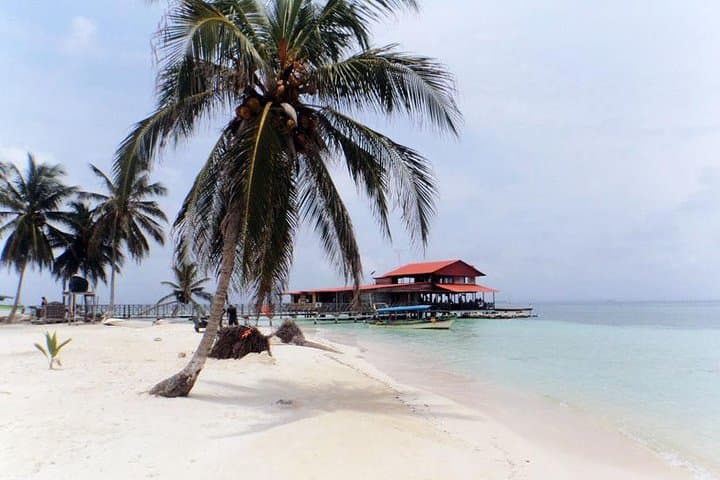
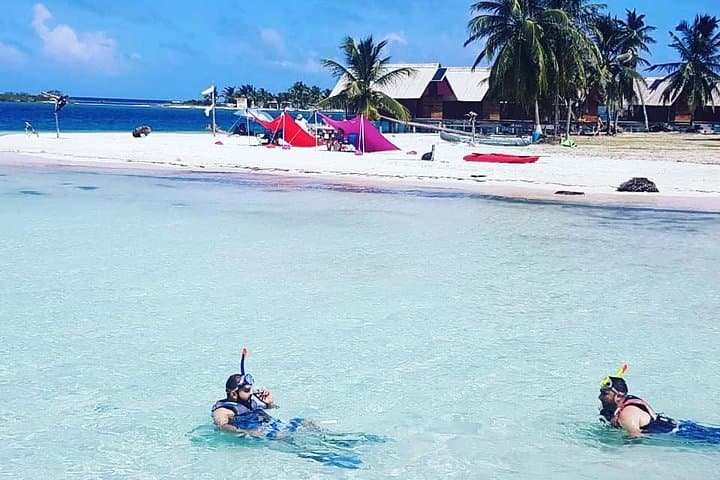
These islands are small coral cays built from reef and sand on the Caribbean shelf. The Guna (Kuna) people have managed the region for generations, maintaining a distinct culture and local governance that shapes how visitors move and stay. Expect basic infrastructure: cabanas are intentionally simple, and services are run at island scale rather than resort scale. Geologically, the islands sit atop living reef systems; currents and seasonal winds sculpt sandbars and the “natural swimming pools” that appear between islets.
Practical guide: your trip begins with a 4x4 transfer from Panama City and a boat hop to the islands—original passports are required for travel and communal logistics. Bring cash for local purchases and small tips; electricity and plumbing are modest and can vary between bungalows. Pack reef‑safe sunscreen, a dry bag, seasickness medication if you’re prone, and lightweight footwear for slippery docks and coral flats. Travel in the dry season (roughly December–April) for calmer seas; be prepared for rain outside that window. Respect Kuna customs—ask before photographing people or private spaces.
In 24 hours you’ll trade screens for salt, rhythm for quiet—returning with a clearer sense of how small islands and strong traditions keep this place alive.
moderate.
24 hours.
You should have a moderate level of fitness—able to board small boats, walk on unstable sand and wooden docks, and carry a daypack.
Yes—original passports are required for the transfer and island administration; keep them with you during the trip.
Facilities vary; some overwater cabanas offer private bathrooms while others have shared facilities—expect basic plumbing and intermittent hot water.
Transfers use 4x4 vehicles and a boat; plan for a several-hour door‑to‑dock drive plus a boat ride depending on sea conditions and pickup point.
The trip is family‑friendly but requires climbing into boats and moving on uneven surfaces; it’s not recommended for those with serious spinal or mobility issues.
Guna Yala is an autonomous territory governed by the Guna people, whose traditions and communal land practices determine how tourism operates.
Reefs are sensitive—use reef‑safe sunscreen, avoid standing on coral, and follow local guidance to reduce single‑use plastic and trampling of fragile habitats.
Panama San Blas Tours operates guided outdoor trips and adventures with an emphasis on safety, stewardship, and memorable experiences.
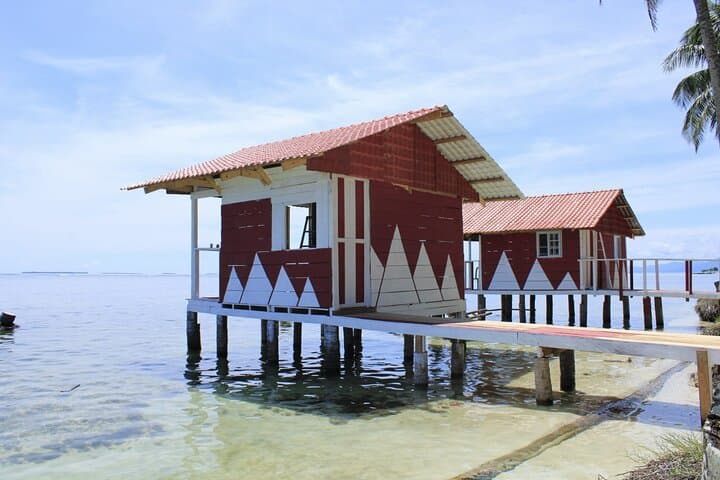

A low wooden balcony hangs above turquoise water that pushes and sighs against coral ribs; wind and surf are the day’s clock. In San Blas (Guna Yala), the overnight overwater bungalow is a compact, tactile escape—wooden floors, a simple bed, and a horizon that moves with the tide. Morning light slices through slats; at night stars feel close enough to count.
A low wooden balcony hangs above turquoise water that pushes and sighs against coral ribs; wind and surf are the day’s clock. In San Blas (Guna Yala), the overnight overwater bungalow is a compact, tactile escape—wooden floors, a simple bed, and a horizon that moves with the tide. Morning light slices through slats; at night stars feel close enough to count.
These islands are small coral cays built from reef and sand on the Caribbean shelf. The Guna (Kuna) people have managed the region for generations, maintaining a distinct culture and local governance that shapes how visitors move and stay. Expect basic infrastructure: cabanas are intentionally simple, and services are run at island scale rather than resort scale. Geologically, the islands sit atop living reef systems; currents and seasonal winds sculpt sandbars and the “natural swimming pools” that appear between islets.
Practical guide: your trip begins with a 4x4 transfer from Panama City and a boat hop to the islands—original passports are required for travel and communal logistics. Bring cash for local purchases and small tips; electricity and plumbing are modest and can vary between bungalows. Pack reef‑safe sunscreen, a dry bag, seasickness medication if you’re prone, and lightweight footwear for slippery docks and coral flats. Travel in the dry season (roughly December–April) for calmer seas; be prepared for rain outside that window. Respect Kuna customs—ask before photographing people or private spaces.
In 24 hours you’ll trade screens for salt, rhythm for quiet—returning with a clearer sense of how small islands and strong traditions keep this place alive.