THE ADVENTURE COLLECTIVE® · Independent discovery and booking for outdoor travel

Spend 48 immersive hours among Uluru and the dome-strewn Kata Tjuta. This guided overnight trip pairs sunset and sunrise viewings with walks that reveal the geology and living culture of Australia’s Red Centre.
Spend 48 immersive hours among Uluru and the dome-strewn Kata Tjuta. This guided overnight trip pairs sunset and sunrise viewings with walks that reveal the geology and living culture of Australia’s Red Centre.
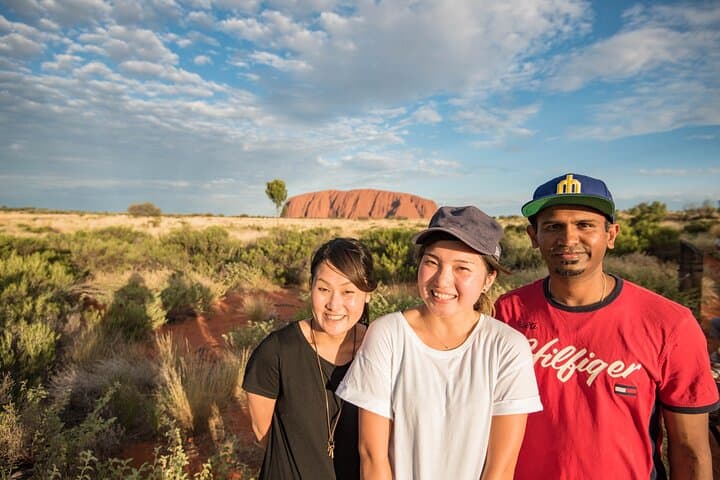
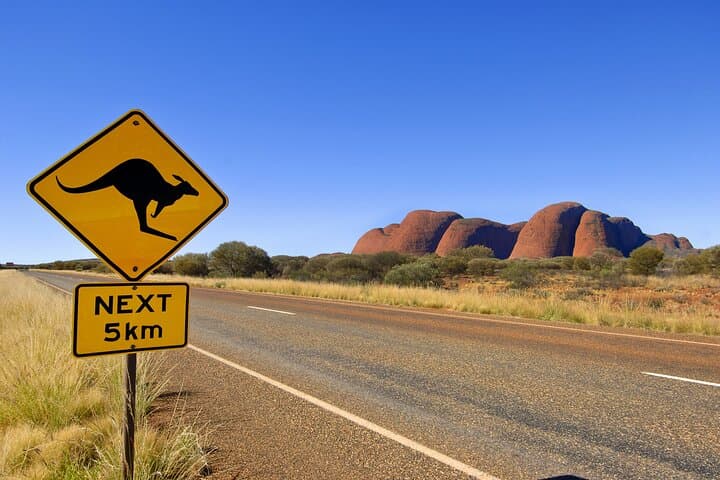
You arrive in the late afternoon heat; red dust coats the road and the sky feels large enough to hold the rock. The tour collects guests at Yulara and, within an hour, the silhouette of Uluru rises—an ancient monolith that changes color like a slow-turning page. On day one you move toward Kata Tjuta, a cluster of 36 domes whose wind-carved valleys scent the air with dry scrub. The hike here is immediate: low, rocky steps and panoramic ridgelines that demand attention.
Verified experiences and guided adventures in the surrounding area.
Operated by Adventure Tours Australia · Yulara, Northern Territory
You arrive in the late afternoon heat; red dust coats the road and the sky feels large enough to hold the rock. The tour collects guests at Yulara and, within an hour, the silhouette of Uluru rises—an ancient monolith that changes color like a slow-turning page. On day one you move toward Kata Tjuta, a cluster of 36 domes whose wind-carved valleys scent the air with dry scrub. The hike here is immediate: low, rocky steps and panoramic ridgelines that demand attention.
Kata Tjuta and Uluru are geological opposites of a similar story. Both are eroded remnants of an ancient inland sea; Uluru is a single, tilted slab of arkose sandstone 348 meters above the plain, while Kata Tjuta is a crown of conglomerate domes. For the Anangu, the region’s First Peoples, every crevice and waterhole holds living law—stories passed down and painted into the artworks sold at the Uluru Cultural Centre.
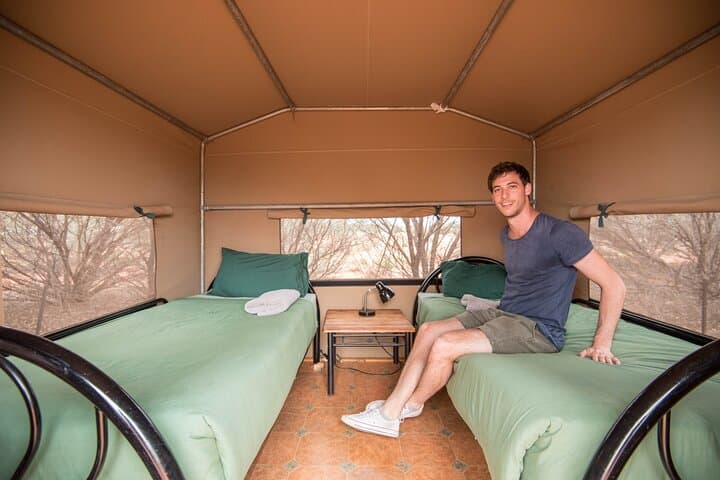
This two-day itinerant camping trip compresses big things into a short span. Afternoon hikes through Kata Tjuta take roughly two hours on uneven terrain; sunset at Uluru is a slow ceremony of light and snack platters featuring native produce. The overnight stay is at a powered campsite in Yulara, with shared facilities that feel quietly practical after a day under the outback sun. An early start on day two brings a sunrise at Uluru and the option to walk around its base — a loop of about 10.6 kilometers that lays bare rock caves, waterholes, and cultural sites best observed with a guide.
Why go with a guided short break? The guides translate myth into map, point out seasonal flora like desert wattle, and explain access restrictions to sacred spots. They also manage logistics: transport from Yulara, park permits, and a schedule keyed to light and temperature so you’re not walking the base at midday.
Practical edge: expect strong sun and sudden temperature swings. Footwear should be sturdy—rocky sections at Kata Tjuta demand ankle support. Carry at least 2 liters of water per person for active hiking; more if it’s summer. If you’re flying into Ayers Rock Airport, budget arrival times so you’re there before early-afternoon pickup. Pack a warm layer for pre-dawn and early-evening temperatures that can drop dramatically.
This is an efficient, high-value way to experience some of Australia’s most iconic geology and living culture in 48 hours. The trip suits travelers who want to feel the scale of the Red Centre without multi-day wilderness equipage—a concentrated encounter with landscape, light, and story.
moderate.
2 days.
Moderate fitness: comfortable walking for 2–4 hours at a time on uneven surfaces.
Yes. Entry fees for Uluru-Kata Tjuta National Park are required and typically included by tour operators; confirm with your supplier.
Climbing Uluru is permanently closed out of respect for Anangu culture—walks around the base and guided cultural tours are offered instead.
Kata Tjuta’s hikes have uneven, rocky ground and short rises; the Uluru base walk is a flat 10.6 km circuit—both suit moderately fit travelers.
Bring personal toiletries, a refillable water bottle, sun protection, warm layers for pre-dawn, and comfortable sleepwear; tents and bedding depend on the operator.
Dinner and breakfast are included as noted, but lunch on day one is not—plan to eat before pickup or bring snacks.
Yes. The Uluru Cultural Centre and local galleries sell artworks by Anangu artists; buying directly supports communities.
The Anangu people have cared for Uluru and Kata Tjuta for tens of thousands of years; joint park management with Parks Australia recognizes traditional law and conservation.
Visitors must stick to marked paths and respect cultural closures; park fees support rangers, cultural programs, and habitat protection.
Adventure Tours Australia operates guided outdoor trips and adventures with an emphasis on safety, stewardship, and memorable experiences.

You arrive in the late afternoon heat; red dust coats the road and the sky feels large enough to hold the rock. The tour collects guests at Yulara and, within an hour, the silhouette of Uluru rises—an ancient monolith that changes color like a slow-turning page. On day one you move toward Kata Tjuta, a cluster of 36 domes whose wind-carved valleys scent the air with dry scrub. The hike here is immediate: low, rocky steps and panoramic ridgelines that demand attention.
You arrive in the late afternoon heat; red dust coats the road and the sky feels large enough to hold the rock. The tour collects guests at Yulara and, within an hour, the silhouette of Uluru rises—an ancient monolith that changes color like a slow-turning page. On day one you move toward Kata Tjuta, a cluster of 36 domes whose wind-carved valleys scent the air with dry scrub. The hike here is immediate: low, rocky steps and panoramic ridgelines that demand attention.
Kata Tjuta and Uluru are geological opposites of a similar story. Both are eroded remnants of an ancient inland sea; Uluru is a single, tilted slab of arkose sandstone 348 meters above the plain, while Kata Tjuta is a crown of conglomerate domes. For the Anangu, the region’s First Peoples, every crevice and waterhole holds living law—stories passed down and painted into the artworks sold at the Uluru Cultural Centre.
This two-day itinerant camping trip compresses big things into a short span. Afternoon hikes through Kata Tjuta take roughly two hours on uneven terrain; sunset at Uluru is a slow ceremony of light and snack platters featuring native produce. The overnight stay is at a powered campsite in Yulara, with shared facilities that feel quietly practical after a day under the outback sun. An early start on day two brings a sunrise at Uluru and the option to walk around its base — a loop of about 10.6 kilometers that lays bare rock caves, waterholes, and cultural sites best observed with a guide.
Why go with a guided short break? The guides translate myth into map, point out seasonal flora like desert wattle, and explain access restrictions to sacred spots. They also manage logistics: transport from Yulara, park permits, and a schedule keyed to light and temperature so you’re not walking the base at midday.
Practical edge: expect strong sun and sudden temperature swings. Footwear should be sturdy—rocky sections at Kata Tjuta demand ankle support. Carry at least 2 liters of water per person for active hiking; more if it’s summer. If you’re flying into Ayers Rock Airport, budget arrival times so you’re there before early-afternoon pickup. Pack a warm layer for pre-dawn and early-evening temperatures that can drop dramatically.
This is an efficient, high-value way to experience some of Australia’s most iconic geology and living culture in 48 hours. The trip suits travelers who want to feel the scale of the Red Centre without multi-day wilderness equipage—a concentrated encounter with landscape, light, and story.