THE ADVENTURE COLLECTIVE® · Independent discovery and booking for outdoor travel

Travel overnight from Cairo to Aswan on a private three-day tour that packs the High Dam, the Unfinished Obelisk and Abu Simbel into a compact cultural itinerary. Expect an overnight sleeper, guided site visits, and early starts to beat heat and crowds.
Travel overnight from Cairo to Aswan on a private three-day tour that packs the High Dam, the Unfinished Obelisk and Abu Simbel into a compact cultural itinerary. Expect an overnight sleeper, guided site visits, and early starts to beat heat and crowds.
The train leaves Cairo after dusk, carriages humming as the desert slides past in a black ribbon. By morning the air tastes different — dust and river reeds — and Aswan’s flat silhouette appears along the Nile. This private, three-day itinerary compresses Egypt’s southern river culture into two nights: an overnight sleeper to Aswan, a day around the High Dam and the Unfinished Obelisk, then an early run to Abu Simbel before returning by night train.
Verified experiences and guided adventures in the surrounding area.
Operated by Tui Egypt · Aswan, Aswan Governorate
The train leaves Cairo after dusk, carriages humming as the desert slides past in a black ribbon. By morning the air tastes different — dust and river reeds — and Aswan’s flat silhouette appears along the Nile. This private, three-day itinerary compresses Egypt’s southern river culture into two nights: an overnight sleeper to Aswan, a day around the High Dam and the Unfinished Obelisk, then an early run to Abu Simbel before returning by night train.
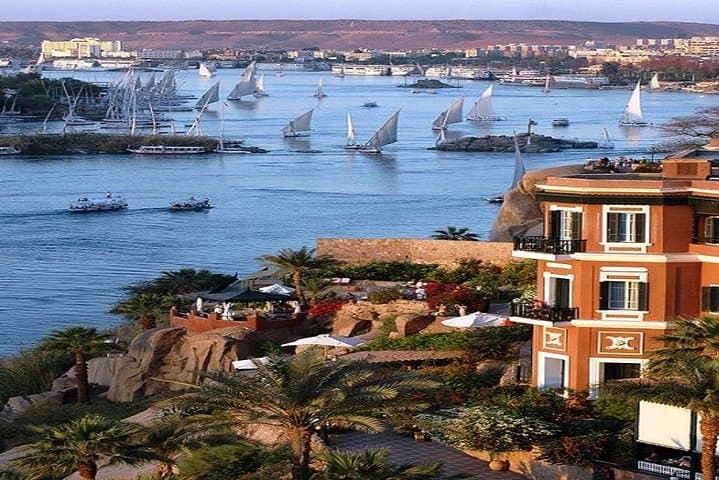
Aswan sits at the first cataract of the Nile, where ancient stone and modern engineering meet. The High Dam reshaped the landscape, creating Lake Nasser and triggering the 1960s rescue of Abu Simbel’s rock-cut temples — a clear example of archaeology meeting modern conservation. Nubian culture remains visible in local markets, colorful houses along the riverbanks, and small felucca traffic that still composes the waterfront rhythm.
Practicalities matter here: Cairo to Aswan is roughly 900 km by rail and the overnight trip usually runs 12–13 hours each way. Walking at sites is short but over uneven stone and sand; expect negligible elevation change but active feet. Abu Simbel demands an early start to avoid heat and crowds; allow 2–3 hours at the site plus transit time. Bring sun protection, a refillable bottle, and copies of travel documents for train and temple entrances. If you prefer quieter rhythm, ask for later or earlier train berths and confirm exactly which admissions are included on booking.
This tour fits travelers who want concentrated heritage with minimal logistics — the train does the distance while guides shape the day’s context, leaving you to watch the Nile and the desert alternate their stories.
easy.
3 days (approx. 72 hours).
Suitable for travelers with basic mobility; requires short walks on uneven stone and standing during guided talks.
Admission fees are typically not included unless specified; confirm with your operator which temple tickets and local museum fees are covered.
Expect approximately 12–13 hours each way on sleeper trains, though schedules vary by service and season.
Most private tours can accommodate dietary needs if notified in advance; communicate restrictions at booking and again before travel days.
Visa requirements depend on nationality; many visitors obtain a visa on arrival or e-visa before travel — check current Egyptian regulations well before departure.
Aswan marks the first cataract and was a strategic frontier in pharaonic and Roman times; the High Dam and Lake Nasser transformed both landscape and heritage management in the 20th century.
The 1960s relocation of Abu Simbel is a model of large-scale archaeological rescue; visitors should follow marked paths and avoid touching reliefs to limit wear.
Tui Egypt operates guided outdoor trips and adventures with an emphasis on safety, stewardship, and memorable experiences.


The train leaves Cairo after dusk, carriages humming as the desert slides past in a black ribbon. By morning the air tastes different — dust and river reeds — and Aswan’s flat silhouette appears along the Nile. This private, three-day itinerary compresses Egypt’s southern river culture into two nights: an overnight sleeper to Aswan, a day around the High Dam and the Unfinished Obelisk, then an early run to Abu Simbel before returning by night train.
The train leaves Cairo after dusk, carriages humming as the desert slides past in a black ribbon. By morning the air tastes different — dust and river reeds — and Aswan’s flat silhouette appears along the Nile. This private, three-day itinerary compresses Egypt’s southern river culture into two nights: an overnight sleeper to Aswan, a day around the High Dam and the Unfinished Obelisk, then an early run to Abu Simbel before returning by night train.
Aswan sits at the first cataract of the Nile, where ancient stone and modern engineering meet. The High Dam reshaped the landscape, creating Lake Nasser and triggering the 1960s rescue of Abu Simbel’s rock-cut temples — a clear example of archaeology meeting modern conservation. Nubian culture remains visible in local markets, colorful houses along the riverbanks, and small felucca traffic that still composes the waterfront rhythm.
Practicalities matter here: Cairo to Aswan is roughly 900 km by rail and the overnight trip usually runs 12–13 hours each way. Walking at sites is short but over uneven stone and sand; expect negligible elevation change but active feet. Abu Simbel demands an early start to avoid heat and crowds; allow 2–3 hours at the site plus transit time. Bring sun protection, a refillable bottle, and copies of travel documents for train and temple entrances. If you prefer quieter rhythm, ask for later or earlier train berths and confirm exactly which admissions are included on booking.
This tour fits travelers who want concentrated heritage with minimal logistics — the train does the distance while guides shape the day’s context, leaving you to watch the Nile and the desert alternate their stories.