THE ADVENTURE COLLECTIVE® · Independent discovery and booking for outdoor travel

An overnight train connects Cairo with Egypt’s great temple sites—Luxor, Aswan and Abu Simbel—condensing pharaonic highlights into two full days. Expect dawn river crossings, carved stone corridors, and early starts for the best light and cooler temperatures.
An overnight train connects Cairo with Egypt’s great temple sites—Luxor, Aswan and Abu Simbel—condensing pharaonic highlights into two full days. Expect dawn river crossings, carved stone corridors, and early starts for the best light and cooler temperatures.
You step onto the platform as the night air from the Nile plain loosens the heat: an overnight train waits like a patient animal, lights low, corridors humming. By morning the landscape has turned to ochre and palm silhouettes; stone colossi loom ahead where the river slows and history presses close.
Verified experiences and guided adventures in the surrounding area.
Operated by Mody Egypt Tours · Luxor, Luxor Governorate
You step onto the platform as the night air from the Nile plain loosens the heat: an overnight train waits like a patient animal, lights low, corridors humming. By morning the landscape has turned to ochre and palm silhouettes; stone colossi loom ahead where the river slows and history presses close.
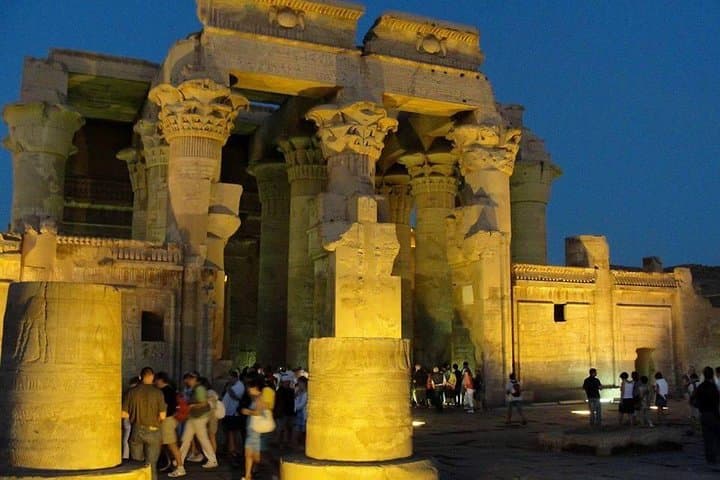
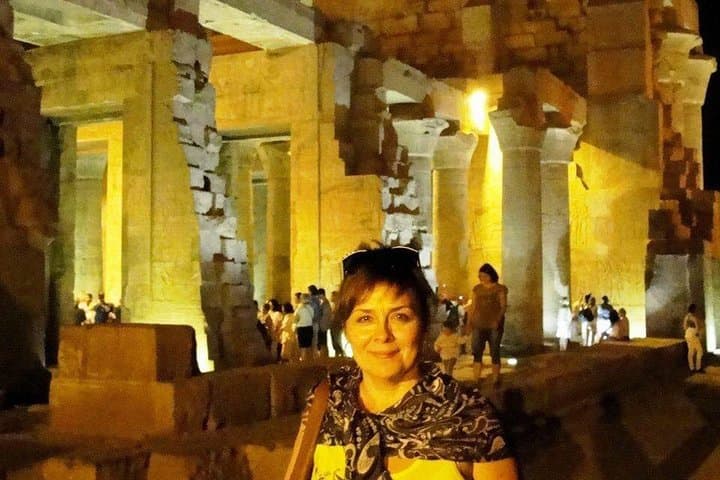
This two-day route threads Egypt’s most iconic sites — the Valley of the Kings, Hatshepsut’s funerary temple, Karnak’s avenue of sphinxes, then south to Aswan’s High Dam, Philae Island, and the colossal façades of Abu Simbel. Geologically you cross the Nile’s alluvial plain into Upper Egypt’s sandstone plateaus; ancient masons carved sanctuaries into that same bedrock. Cultural layers pile up fast: New Kingdom tombs, Ptolemaic additions, and modern archaeological museums explain how Howard Carter and others reintroduced Tutankhamun to the world.
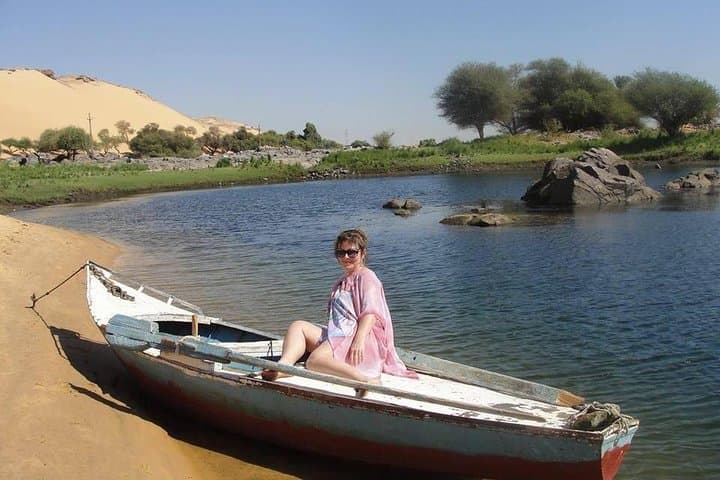
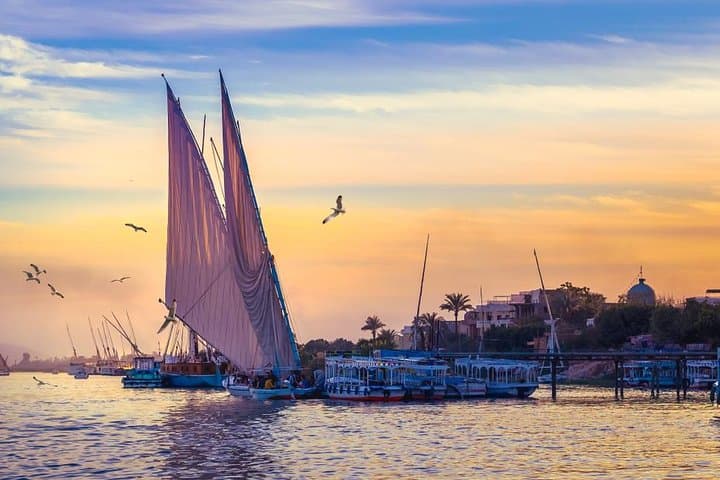
Expect long days on foot, stairs and uneven stone underfoot, and brief boat rides on the Nile as currents nudge you between banks. Local life is tactile — sugarcane juice stalls, Nubian craft sellers in Aswan, the cadence of call to prayer over temple ruins.
Practical guidance: travel light and bring breathability — sun is the defining element; mornings and late afternoons are best for photography and tomb visits. Carry cash for small purchases and tips, respect no-flash rules inside tombs, and factor in early starts (Abu Simbel often involves a pre-dawn transfer). The trip balances awe with logistics: allow time to sit on a temple step and read the carvings; the stones will do the rest.
moderate.
2 days (≈48 hours).
Light to moderate fitness; able to walk 3–6 miles over uneven ground and climb stairs during long days
The overnight sleeper typically runs around 9–11 hours depending on schedule and stops; this tour arranges first-class or sleeper seats as described.
The tour includes Egyptology guide services and access to the sites listed; check the itinerary for specific tomb entry exceptions which can carry extra fees.
Yes—infants must sit on laps and infant seats are available, but early mornings and long days may be tiring for very young children.
Space on the sleeper train is limited; pack a small overnight bag for temple days and secure larger luggage with the operator's pick-up service.
This corridor of Upper Egypt concentrates New Kingdom power: pharaohs chose the west bank for royal burials and carved temples to align with solar cycles; Howard Carter’s discovery of Tutankhamun began modern Egyptology here.
High visitor numbers stress fragile interiors; follow site rules, avoid touching reliefs, and use licensed guides who support conservation fees.
Mody Egypt Tours operates guided outdoor trips and adventures with an emphasis on safety, stewardship, and memorable experiences.
You step onto the platform as the night air from the Nile plain loosens the heat: an overnight train waits like a patient animal, lights low, corridors humming. By morning the landscape has turned to ochre and palm silhouettes; stone colossi loom ahead where the river slows and history presses close.
You step onto the platform as the night air from the Nile plain loosens the heat: an overnight train waits like a patient animal, lights low, corridors humming. By morning the landscape has turned to ochre and palm silhouettes; stone colossi loom ahead where the river slows and history presses close.
This two-day route threads Egypt’s most iconic sites — the Valley of the Kings, Hatshepsut’s funerary temple, Karnak’s avenue of sphinxes, then south to Aswan’s High Dam, Philae Island, and the colossal façades of Abu Simbel. Geologically you cross the Nile’s alluvial plain into Upper Egypt’s sandstone plateaus; ancient masons carved sanctuaries into that same bedrock. Cultural layers pile up fast: New Kingdom tombs, Ptolemaic additions, and modern archaeological museums explain how Howard Carter and others reintroduced Tutankhamun to the world.
Expect long days on foot, stairs and uneven stone underfoot, and brief boat rides on the Nile as currents nudge you between banks. Local life is tactile — sugarcane juice stalls, Nubian craft sellers in Aswan, the cadence of call to prayer over temple ruins.
Practical guidance: travel light and bring breathability — sun is the defining element; mornings and late afternoons are best for photography and tomb visits. Carry cash for small purchases and tips, respect no-flash rules inside tombs, and factor in early starts (Abu Simbel often involves a pre-dawn transfer). The trip balances awe with logistics: allow time to sit on a temple step and read the carvings; the stones will do the rest.