THE ADVENTURE COLLECTIVE® · Independent discovery and booking for outdoor travel

Fly from Cairo for an intensive two-day sweep of Luxor’s greatest hits: Karnak, Luxor Temple, the Valley of the Kings, Hatshepsut’s terraces and a felucca ride to Banana Island. This compact overnight pairs guided archaeology with one relaxed night in a five-star hotel.
Fly from Cairo for an intensive two-day sweep of Luxor’s greatest hits: Karnak, Luxor Temple, the Valley of the Kings, Hatshepsut’s terraces and a felucca ride to Banana Island. This compact overnight pairs guided archaeology with one relaxed night in a five-star hotel.
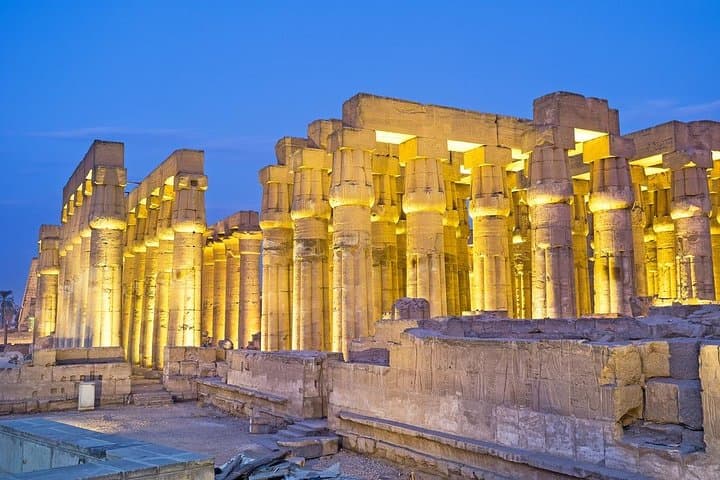
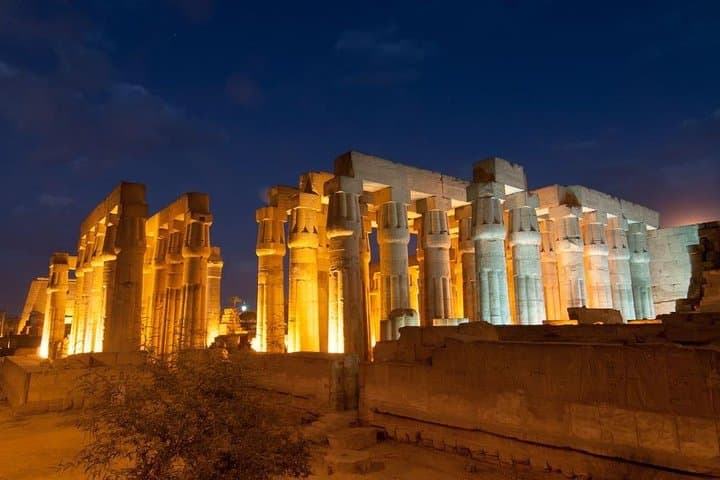
Sunlight slices across the Nile as your morning flight drops you into Luxor’s broad river plain. You step out of the airport into heat and stone: columns rise like a petrified forest at Karnak, while the city hums with market voices and the tug of feluccas on the water.
Verified experiences and guided adventures in the surrounding area.
Operated by Egypt Sunrise · Luxor, Luxor Governorate
Sunlight slices across the Nile as your morning flight drops you into Luxor’s broad river plain. You step out of the airport into heat and stone: columns rise like a petrified forest at Karnak, while the city hums with market voices and the tug of feluccas on the water.
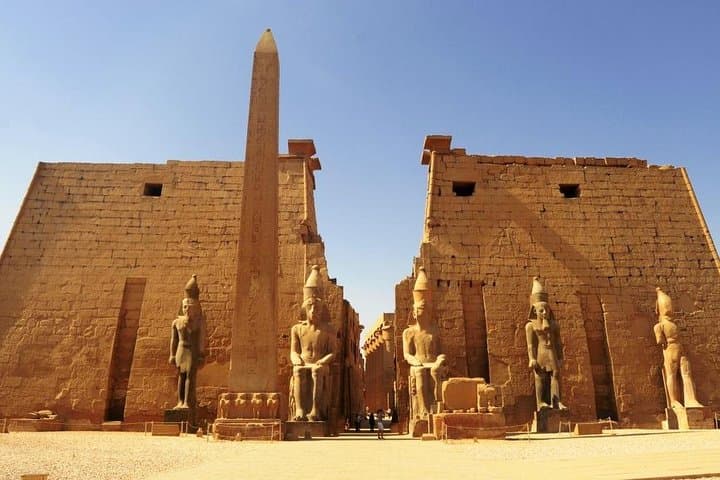
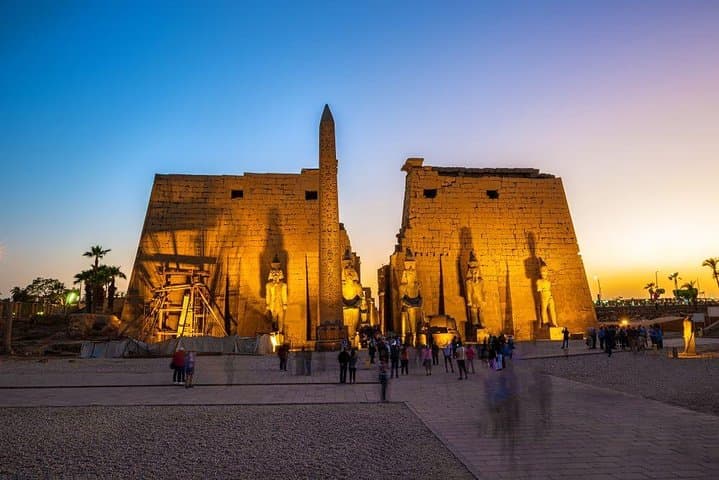
This two-day itinerary moves fast but deliberately—Karnak’s Hypostyle Hall speaks to two millennia of pharaonic ambition, Luxor Temple preserves festival processions etched in sandstone, and the West Bank’s Valley of the Kings hides tombs cut deep into desert limestone. Geologically, Luxor sits on fertile Nile deposits beside older limestone cliffs that formed the necropolis backdrop; culturally it’s ancient Thebes, the center of New Kingdom power, still present in local craft, corniche cafés and temple-side vendors.
Expect guided walks across compact archaeological sites, short drives between sights, and a late-afternoon felucca glide to Banana Island where the river’s current seems to nudge you into a quieter tempo. Practicalities matter: midday sun is intense, surfaces are uneven and many tombs involve steps and low passages. Photography is allowed at most outdoor sites but some interiors restrict flash.
Plan for early starts, lightweight sun protection, and a water strategy—shops are available but prices near monuments rise. With an Egyptologist guiding logistics and a night in a 5-star Luxor hotel, the trip balances high-impact sightseeing with manageable pacing—ideal for travelers who want maximum ancient Egypt in minimal time.
easy.
2 days.
Light to moderate fitness; comfortable walking and ability to manage several short stairways and uneven terrain
Yes, the itinerary includes return domestic flights Cairo–Luxor–Cairo as part of the package.
Admissions are often paid locally; the tour description notes that some admissions are not included, so expect to pay entrance fees on-site for specific tombs or optional extras.
The provider lists wheelchair-accessible transportation and some accessible surfaces, but key archaeological sites have uneven ground and steps—check accessibility for individual tombs before booking.
Yes—additional sites or time can be arranged at extra cost upon request; confirm specifics with the operator at booking.
Luxor sits on ancient Thebes, once the New Kingdom capital; temples and tombs here were built and reused over centuries by pharaohs including Amenhotep III, Hatshepsut and Ramses II.
Visitor pressure and humidity threaten painted tomb interiors—stick to routes, avoid flash photography and support local guides and museums that invest in preservation.
Egypt Sunrise operates guided outdoor trips and adventures with an emphasis on safety, stewardship, and memorable experiences.
Sunlight slices across the Nile as your morning flight drops you into Luxor’s broad river plain. You step out of the airport into heat and stone: columns rise like a petrified forest at Karnak, while the city hums with market voices and the tug of feluccas on the water.
Sunlight slices across the Nile as your morning flight drops you into Luxor’s broad river plain. You step out of the airport into heat and stone: columns rise like a petrified forest at Karnak, while the city hums with market voices and the tug of feluccas on the water.
This two-day itinerary moves fast but deliberately—Karnak’s Hypostyle Hall speaks to two millennia of pharaonic ambition, Luxor Temple preserves festival processions etched in sandstone, and the West Bank’s Valley of the Kings hides tombs cut deep into desert limestone. Geologically, Luxor sits on fertile Nile deposits beside older limestone cliffs that formed the necropolis backdrop; culturally it’s ancient Thebes, the center of New Kingdom power, still present in local craft, corniche cafés and temple-side vendors.
Expect guided walks across compact archaeological sites, short drives between sights, and a late-afternoon felucca glide to Banana Island where the river’s current seems to nudge you into a quieter tempo. Practicalities matter: midday sun is intense, surfaces are uneven and many tombs involve steps and low passages. Photography is allowed at most outdoor sites but some interiors restrict flash.
Plan for early starts, lightweight sun protection, and a water strategy—shops are available but prices near monuments rise. With an Egyptologist guiding logistics and a night in a 5-star Luxor hotel, the trip balances high-impact sightseeing with manageable pacing—ideal for travelers who want maximum ancient Egypt in minimal time.