THE ADVENTURE COLLECTIVE® · Independent discovery and booking for outdoor travel

Spend a night on an observation tower inside Chitwan National Park and join guided tiger-tracking walks with experienced naturalists. This immersive overnight experience concentrates wildlife viewing opportunities—especially at dawn and dusk—while offering practical guidance for respectful, low-impact observation.
Spend a night on an observation tower inside Chitwan National Park and join guided tiger-tracking walks with experienced naturalists. This immersive overnight experience concentrates wildlife viewing opportunities—especially at dawn and dusk—while offering practical guidance for respectful, low-impact observation.
The first night in Chitwan arrives like a slow exhale: humid air settles over tall sal trees, and the observation tower’s silhouette becomes a lone post against a star-scattered sky. From that elevated platform, the jungle feels alive in layered sound—rustling deer, distant bird calls and the occasional grunt of a wild boar—as guides outline the watch for the night.
Verified experiences and guided adventures in the surrounding area.
Operated by CAN Travels · Sauraha, Chitwan District
The first night in Chitwan arrives like a slow exhale: humid air settles over tall sal trees, and the observation tower’s silhouette becomes a lone post against a star-scattered sky. From that elevated platform, the jungle feels alive in layered sound—rustling deer, distant bird calls and the occasional grunt of a wild boar—as guides outline the watch for the night.
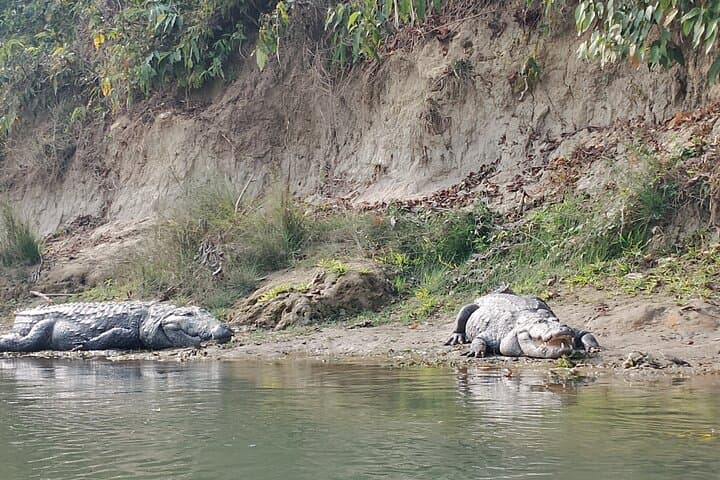
Chitwan National Park was once a royal hunting ground and is now Nepal’s flagship conservation area and a UNESCO World Heritage Site. The lowland Terai here is a mosaic of alluvial plains, riverine forest, grasslands and oxbow lakes carved by the Rapti and Narayani rivers, habitat for Bengal tigers and the one-horned rhinoceros. Local Tharu communities have long lived alongside this landscape; their knowledge of seasons and animal behavior still informs modern conservation efforts.
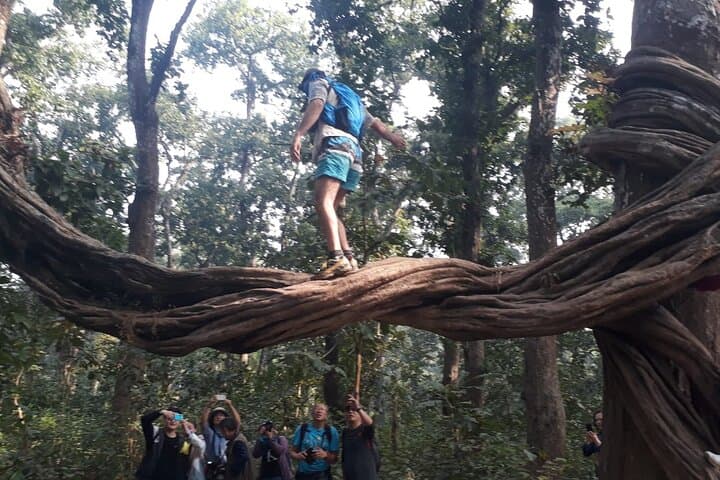
Practically, the overnight tower stay is a guided, low-impact wildlife stakeout combined with daytime tracking walks led by licensed naturalists. Expect modest accommodations in a secure elevated hide, picnic-style dinner, and long periods of quiet observation. Photography opportunities are best at dawn and dusk when animals move toward water. The terrain for daytime treks is flat but can be hot and buggy—short, steady walks rather than steep climbs.
Bring a reliable headlamp, insect protection, and layered clothing for night breezes. Keep noise to a minimum, follow guide instructions, and carry water: the jungle rewards patience and respect. For travelers wanting a compact, high-reward wildlife experience, this overnight tower stay concentrates the drama of Chitwan into a single memorable cycle of day and night.
moderate.
12 hours (overnight).
Suitable for people in basic to moderate fitness—short, flat walks and stair access to the tower; comfortable mobility recommended.
Tigers are elusive; staying overnight in a tower and following expert guides increases your chances, but sightings are not guaranteed—expect to see a range of other wildlife.
The tower provides basic, secure accommodation with bedding and shelter; it’s functional rather than luxury, focused on wildlife viewing.
Children are typically allowed but check age restrictions with the operator and ensure they can remain quiet and follow safety instructions.
Towers are constructed for secure observation and guided protocols are followed; always stay inside designated areas and follow the guide’s directions.
Chitwan transitioned from royal hunting grounds to a protected national park in the 1970s and earned UNESCO World Heritage status for its rich Terai ecosystems.
Park authorities and local communities run anti-poaching and community-based conservation programs; visitors should avoid feeding wildlife and stick to guide routes to reduce disturbance.
CAN Travels operates guided outdoor trips and adventures with an emphasis on safety, stewardship, and memorable experiences.
The first night in Chitwan arrives like a slow exhale: humid air settles over tall sal trees, and the observation tower’s silhouette becomes a lone post against a star-scattered sky. From that elevated platform, the jungle feels alive in layered sound—rustling deer, distant bird calls and the occasional grunt of a wild boar—as guides outline the watch for the night.
The first night in Chitwan arrives like a slow exhale: humid air settles over tall sal trees, and the observation tower’s silhouette becomes a lone post against a star-scattered sky. From that elevated platform, the jungle feels alive in layered sound—rustling deer, distant bird calls and the occasional grunt of a wild boar—as guides outline the watch for the night.
Chitwan National Park was once a royal hunting ground and is now Nepal’s flagship conservation area and a UNESCO World Heritage Site. The lowland Terai here is a mosaic of alluvial plains, riverine forest, grasslands and oxbow lakes carved by the Rapti and Narayani rivers, habitat for Bengal tigers and the one-horned rhinoceros. Local Tharu communities have long lived alongside this landscape; their knowledge of seasons and animal behavior still informs modern conservation efforts.
Practically, the overnight tower stay is a guided, low-impact wildlife stakeout combined with daytime tracking walks led by licensed naturalists. Expect modest accommodations in a secure elevated hide, picnic-style dinner, and long periods of quiet observation. Photography opportunities are best at dawn and dusk when animals move toward water. The terrain for daytime treks is flat but can be hot and buggy—short, steady walks rather than steep climbs.
Bring a reliable headlamp, insect protection, and layered clothing for night breezes. Keep noise to a minimum, follow guide instructions, and carry water: the jungle rewards patience and respect. For travelers wanting a compact, high-reward wildlife experience, this overnight tower stay concentrates the drama of Chitwan into a single memorable cycle of day and night.