THE ADVENTURE COLLECTIVE® · Independent discovery and booking for outdoor travel

Spend a night under the stars after exploring abandoned villages, forts, and desert lakes. This private two-day trip from Jaisalmer combines historical monuments, a camel sunset ride, and a sandy overnight camp with simple tents or cots.
Spend a night under the stars after exploring abandoned villages, forts, and desert lakes. This private two-day trip from Jaisalmer combines historical monuments, a camel sunset ride, and a sandy overnight camp with simple tents or cots.
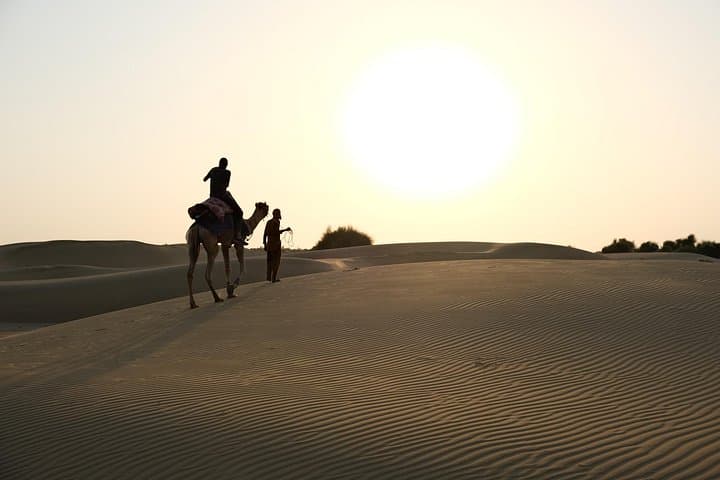
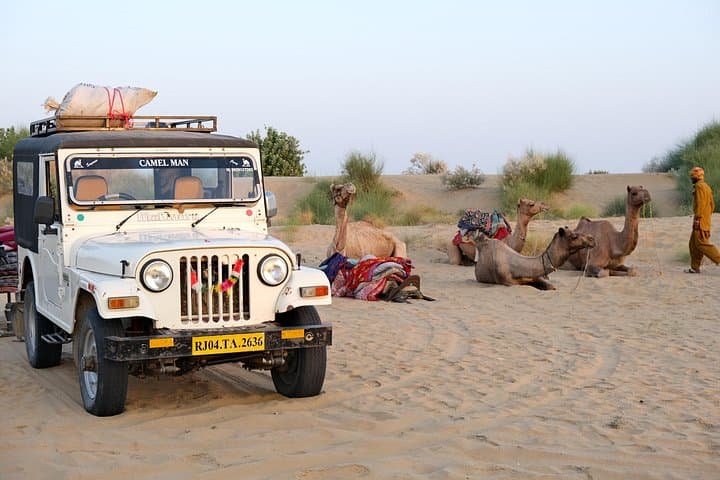
You step from the jeep onto wind-sculpted sand as the late-afternoon sun slants gold across low dunes; the desert breathes against your face and the camels stamp softly, impatient for the trail. The day begins with stone villages and royal cenotaphs—Kuldhara’s abandoned lanes and Khaba Fort’s low, sunbaked walls—then slips into a long camel trek that tumbles toward a broad horizon and a burnished sunset.
Verified experiences and guided adventures in the surrounding area.
Operated by Fifu Camel Safaris · Jaisalmer, Rajasthan
You step from the jeep onto wind-sculpted sand as the late-afternoon sun slants gold across low dunes; the desert breathes against your face and the camels stamp softly, impatient for the trail. The day begins with stone villages and royal cenotaphs—Kuldhara’s abandoned lanes and Khaba Fort’s low, sunbaked walls—then slips into a long camel trek that tumbles toward a broad horizon and a burnished sunset.
This corner of the Thar is layered with human stories and geology: 16th–19th century settlements carved from local sandstone, engineered water tanks like the historic Bara Bagh that once supported desert life, and dunes that shift with the monsoon-fed winds. Cultural notes are direct—the Paliwal Brahmin exodus that left Kuldhara empty, Jain temple restorations, and local Rajasthani cooking traditions offered at camp.
Practical guide: pickup from Jaisalmer (10:00), monument visits through midday, picnic lunch at Jaseri Lake, then a 1–2 hour camel ride into dunes for sunset. Dinner is a communal, vegetarian meal around a campfire (permits/weather dependent); accommodations are Indian cots or small dome tents on the sand, with an optional morning camel ride before jeep return to Jaisalmer the next morning.
Expect flat, sandy terrain—no technical climbing, but walking on sand and two-hour camel shifts require steady footing and basic balance. Daytime heat can be intense; nights drop sharply. Bring sun protection, at least 2–3 liters of water per person, closed-toe shoes, and a warm layer for pre-dawn chill. Respect cultural sites, avoid off-path erosion, and follow guides’ instructions for camel handling and fire safety to keep the desert wild and welcoming.
easy.
2 days (approx. 48 hours).
Suitable for most fitness levels; able to manage short camel rides and walking on soft sand.
Pickup is typically from Jaisalmer around 10:00 local time; confirm exact pickup point when booking.
Facilities are basic—expect field-style arrangements; Jaisalmer has full facilities before and after the desert night.
Yes—this tour is family-friendly, but let the operator know ages and mobility concerns; camels have step-up saddles and rides can be shortened.
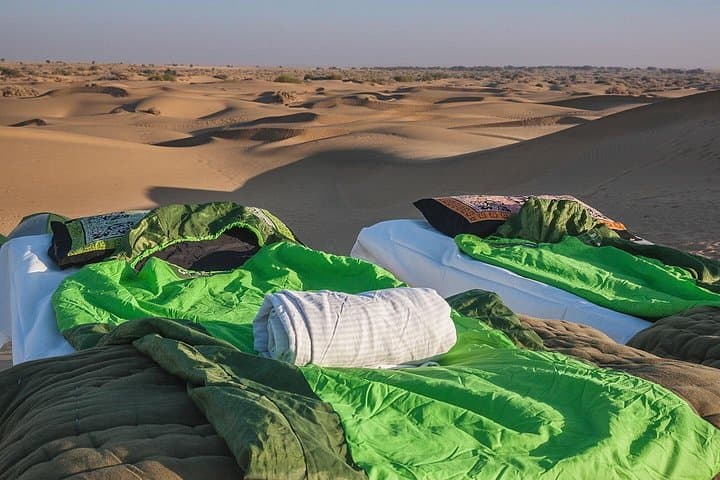
You’ll be offered traditional Indian cots on the dunes or small dome/igloo tents; mattresses and blankets are supplied but bring any personal comfort items if needed.
The Thar around Jaisalmer includes ruined Paliwal Brahmin villages and 16th–17th century royal waterworks; many sites were abandoned due to water stress and historical conflicts.
The desert ecosystem is fragile—minimize waste, avoid driving off established tracks, and support local guides who follow sustainable campfire and water-use practices.
Fifu Camel Safaris operates guided outdoor trips and adventures with an emphasis on safety, stewardship, and memorable experiences.
You step from the jeep onto wind-sculpted sand as the late-afternoon sun slants gold across low dunes; the desert breathes against your face and the camels stamp softly, impatient for the trail. The day begins with stone villages and royal cenotaphs—Kuldhara’s abandoned lanes and Khaba Fort’s low, sunbaked walls—then slips into a long camel trek that tumbles toward a broad horizon and a burnished sunset.
You step from the jeep onto wind-sculpted sand as the late-afternoon sun slants gold across low dunes; the desert breathes against your face and the camels stamp softly, impatient for the trail. The day begins with stone villages and royal cenotaphs—Kuldhara’s abandoned lanes and Khaba Fort’s low, sunbaked walls—then slips into a long camel trek that tumbles toward a broad horizon and a burnished sunset.
This corner of the Thar is layered with human stories and geology: 16th–19th century settlements carved from local sandstone, engineered water tanks like the historic Bara Bagh that once supported desert life, and dunes that shift with the monsoon-fed winds. Cultural notes are direct—the Paliwal Brahmin exodus that left Kuldhara empty, Jain temple restorations, and local Rajasthani cooking traditions offered at camp.
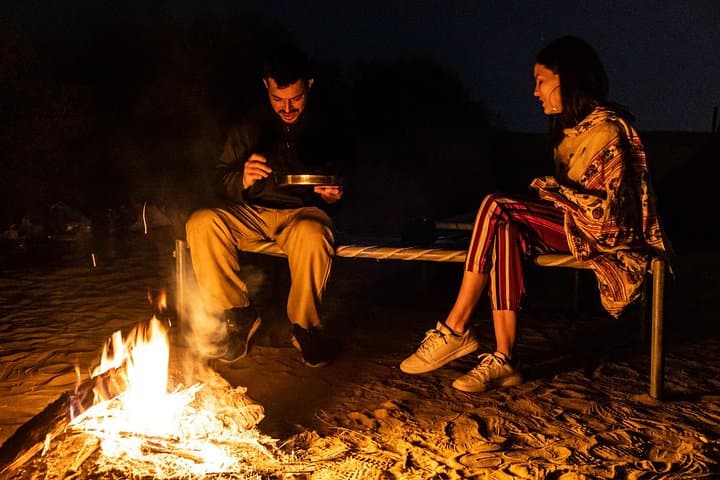
Practical guide: pickup from Jaisalmer (10:00), monument visits through midday, picnic lunch at Jaseri Lake, then a 1–2 hour camel ride into dunes for sunset. Dinner is a communal, vegetarian meal around a campfire (permits/weather dependent); accommodations are Indian cots or small dome tents on the sand, with an optional morning camel ride before jeep return to Jaisalmer the next morning.
Expect flat, sandy terrain—no technical climbing, but walking on sand and two-hour camel shifts require steady footing and basic balance. Daytime heat can be intense; nights drop sharply. Bring sun protection, at least 2–3 liters of water per person, closed-toe shoes, and a warm layer for pre-dawn chill. Respect cultural sites, avoid off-path erosion, and follow guides’ instructions for camel handling and fire safety to keep the desert wild and welcoming.