THE ADVENTURE COLLECTIVE® · Independent discovery and booking for outdoor travel

Spend a night on the open sand of the Thar Desert on a non-touristic camel safari that leaves Jaisalmer mid-afternoon and returns the following morning. Expect sunset and sunrise camel rides, campfire-cooked meals, village stops, and sleeping on a prepared bed under a vast star field.
Spend a night on the open sand of the Thar Desert on a non-touristic camel safari that leaves Jaisalmer mid-afternoon and returns the following morning. Expect sunset and sunrise camel rides, campfire-cooked meals, village stops, and sleeping on a prepared bed under a vast star field.
You crest a low dune and the desert opens: a slow sea of rippled sand, long shadows of camel trains, and a sky that suddenly feels close enough to touch.
Verified experiences and guided adventures in the surrounding area.
Operated by Renuka Camel Safari · Jaisalmer, Rajasthan
You crest a low dune and the desert opens: a slow sea of rippled sand, long shadows of camel trains, and a sky that suddenly feels close enough to touch.
This overnight camel safari leaves Jaisalmer in the afternoon, drives roughly 50–60 km into the quieter Thar, then switches to camelback for a two-hour ride timed to catch sunset. The night is spent on a prepared bed beneath the open sky with dinner cooked over a campfire by local guides. At dawn you ride again to greet the sun, then return by jeep mid-morning.
The Thar’s sand is young and wind-sculpted; the region’s human history includes trade routes, shifting settlements and villages whose mud-brick houses reflect centuries of desert adaptation. Camels remain central to local culture—working animals, teachers of road sense, and hosts for storytelling. Geologically the dunes are active, migrating slowly with the monsoon and westerly winds, while pockets of scrub support chinkara and desert fox.
Practicalities: the pace is relaxed but rustic—there are no permanent facilities at the camp and toilets are natural breaks behind dunes. Expect clear temperature swings from hot afternoons to cool nights, bring layered clothing, and carry at least 2–3 liters of water per person.
Timing matters: the best light for photos and the most comfortable temperatures are late autumn through early spring. Travelers with cardiovascular issues or late pregnancy should avoid this trip, and a two-person minimum applies. For those seeking an unscripted desert night that combines village contact, simple cooking lessons and sustained silence, this trek delivers practical adventure under the stars.
easy.
24 hours (overnight).
Suitable for most people in basic fitness—ability to mount/dismount a camel and tolerate uneven ground required
The jeep transfer is about 50–60 km (roughly 1 hour), depending on the pick-up point and road conditions.
There are no permanent toilets at the remote campsite; showers and rooms are available in Jaisalmer before departure or after return, and natural breaks are used in the field.
Children are welcome, but the operator requires a minimum of two people; the experience is not recommended for travelers beyond three months of pregnancy or those with serious heart conditions.
Meals are freshly prepared over the campfire by guides; inform the operator of allergies or dietary restrictions in advance so they can adjust menus where possible.
The Thar has long been a conduit for caravan trade and pastoral life; Jaisalmer grew wealthy on routes that linked northern India to western markets, and camel culture reflects that history.
Water is scarce—use provided water sparingly and carry reusable containers; practice leave-no-trace and avoid open fires away from designated cooking areas.
Renuka Camel Safari operates guided outdoor trips and adventures with an emphasis on safety, stewardship, and memorable experiences.
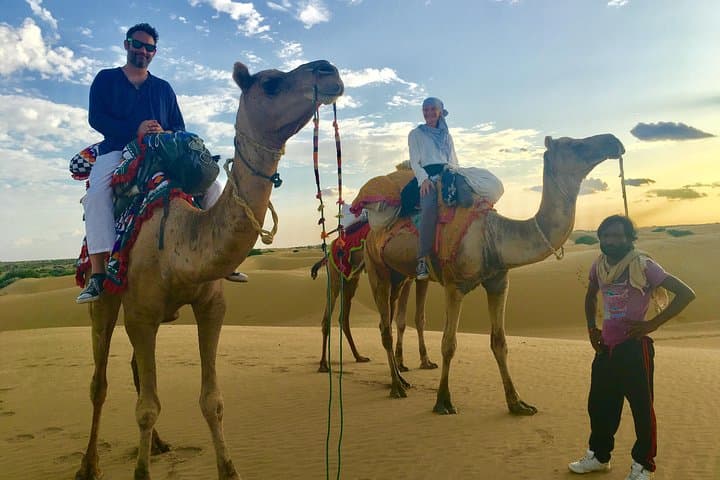
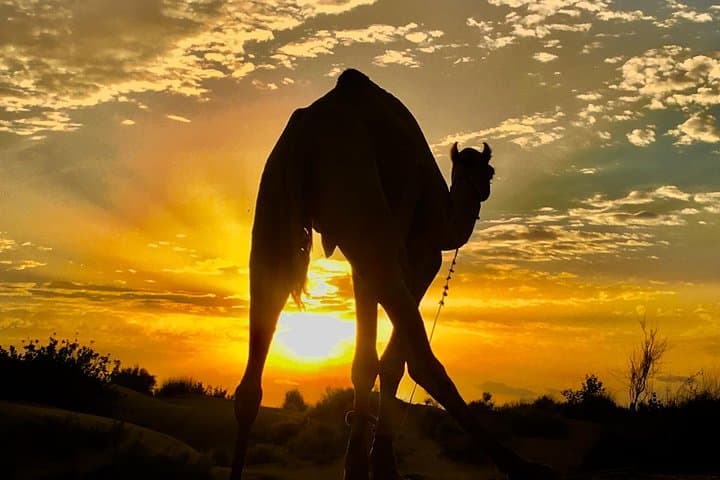
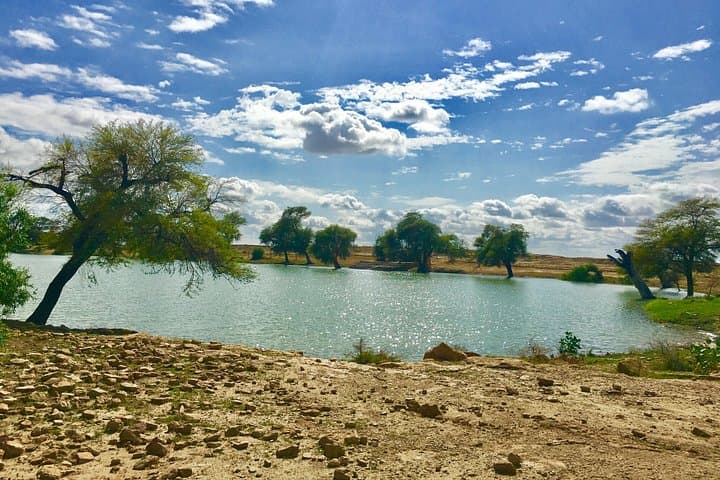
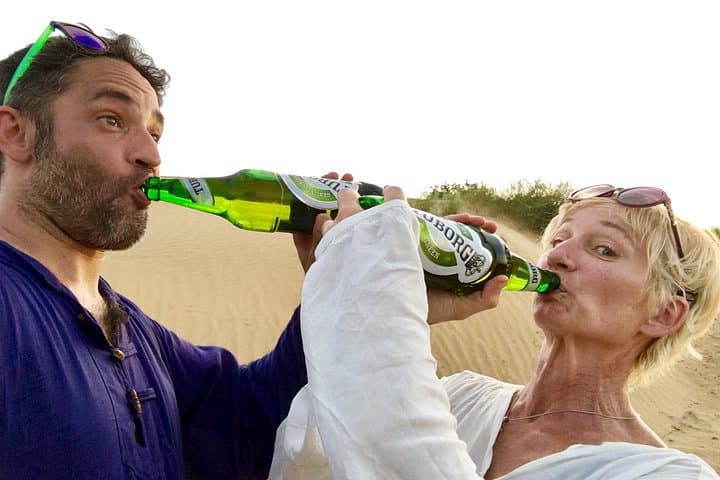
You crest a low dune and the desert opens: a slow sea of rippled sand, long shadows of camel trains, and a sky that suddenly feels close enough to touch.
You crest a low dune and the desert opens: a slow sea of rippled sand, long shadows of camel trains, and a sky that suddenly feels close enough to touch.
This overnight camel safari leaves Jaisalmer in the afternoon, drives roughly 50–60 km into the quieter Thar, then switches to camelback for a two-hour ride timed to catch sunset. The night is spent on a prepared bed beneath the open sky with dinner cooked over a campfire by local guides. At dawn you ride again to greet the sun, then return by jeep mid-morning.
The Thar’s sand is young and wind-sculpted; the region’s human history includes trade routes, shifting settlements and villages whose mud-brick houses reflect centuries of desert adaptation. Camels remain central to local culture—working animals, teachers of road sense, and hosts for storytelling. Geologically the dunes are active, migrating slowly with the monsoon and westerly winds, while pockets of scrub support chinkara and desert fox.
Practicalities: the pace is relaxed but rustic—there are no permanent facilities at the camp and toilets are natural breaks behind dunes. Expect clear temperature swings from hot afternoons to cool nights, bring layered clothing, and carry at least 2–3 liters of water per person.
Timing matters: the best light for photos and the most comfortable temperatures are late autumn through early spring. Travelers with cardiovascular issues or late pregnancy should avoid this trip, and a two-person minimum applies. For those seeking an unscripted desert night that combines village contact, simple cooking lessons and sustained silence, this trek delivers practical adventure under the stars.