THE ADVENTURE COLLECTIVE® · Independent discovery and booking for outdoor travel

Board an overnight first-class seated train from Cairo and arrive at dawn in Luxor for a full-day guided tour of the city’s East and West Bank antiquities. Walk through the Valley of the Kings, Hatshepsut’s terraces, Karnak’s colonnades and return on the VIP train—an efficient blend of transit and exploration.
Board an overnight first-class seated train from Cairo and arrive at dawn in Luxor for a full-day guided tour of the city’s East and West Bank antiquities. Walk through the Valley of the Kings, Hatshepsut’s terraces, Karnak’s colonnades and return on the VIP train—an efficient blend of transit and exploration.
The train rocks out of Cairo after dusk and the Nile’s margin slides past in a ribbon of low lights and palms daring the dark. Sleeping upright in a first-class seated carriage, travelers drift between modern Egypt and the ruin-strewn plains of ancient Thebes, arriving at dawn when the desert light sharpens relief on stone.
Verified experiences and guided adventures in the surrounding area.
Operated by Nile Prince Travel · Luxor, Luxor Governorate
The train rocks out of Cairo after dusk and the Nile’s margin slides past in a ribbon of low lights and palms daring the dark. Sleeping upright in a first-class seated carriage, travelers drift between modern Egypt and the ruin-strewn plains of ancient Thebes, arriving at dawn when the desert light sharpens relief on stone.
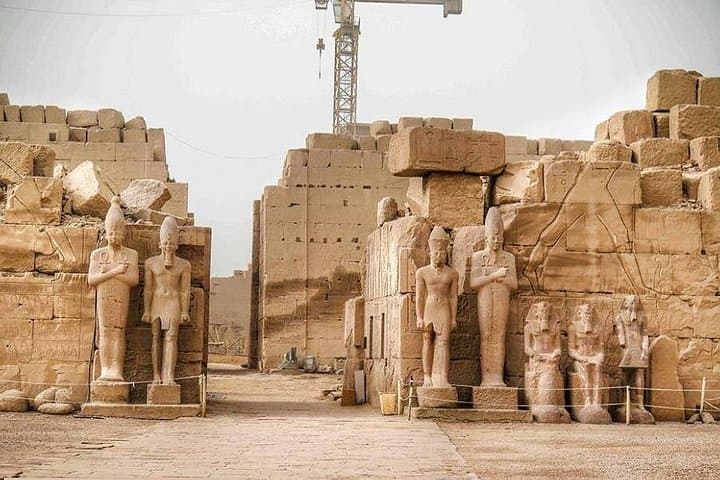
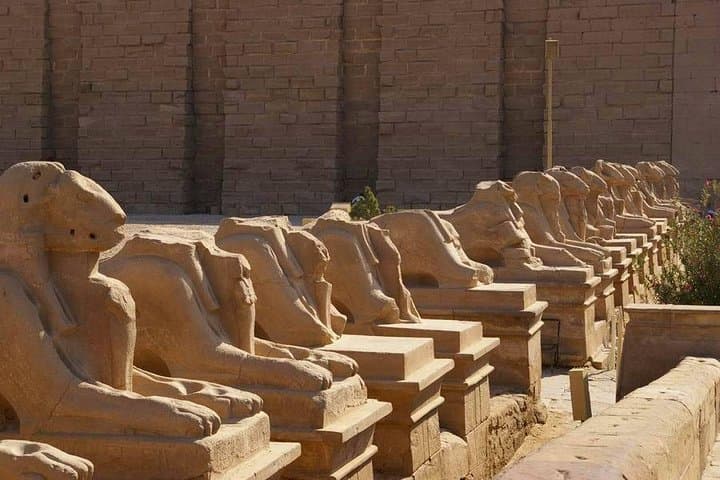
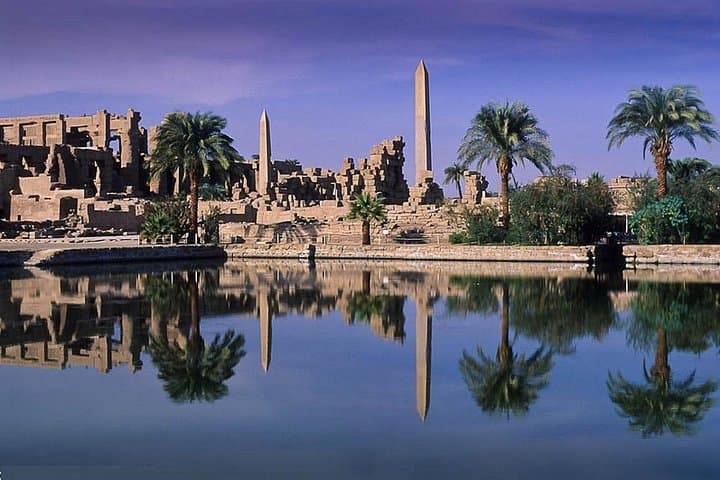
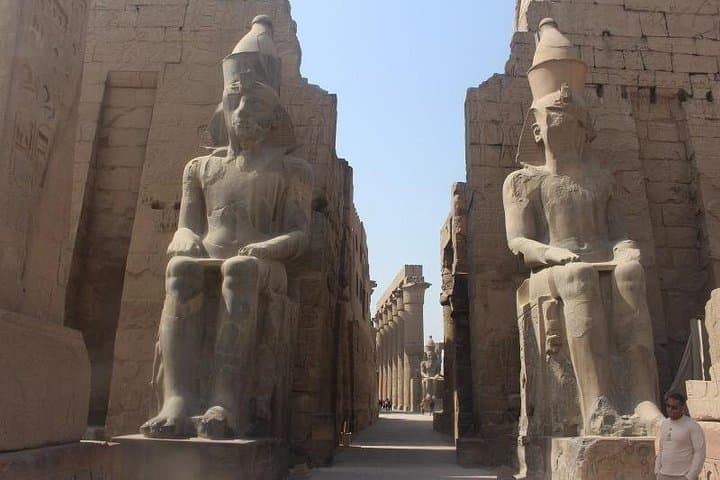
On the west bank, the Valley of the Kings opens as a carved cliff of shadowed tombs where pharaohs were laid to rest for millennia. Hatshepsut’s mortuary temple steps forth in pale limestone terraces; the Colossi of Memnon loom like twin guardians looking toward the river. On the east bank, Karnak and Luxor temples show the cumulative ambition of generations—rows of columns, sun-baked pylons and hieroglyphs still crisp enough to read.
Geology and Nile dynamics shaped the funerary landscape: quarried quartzite and limestone moved across the valley, and silt-rich floods nourished the city that became Thebes. A licensed Egyptologist frames the sites with chronology, ritual and modern conservation challenges.
Practical guidance: the full-day tour is a lot of walking over uneven stone and sand—expect steps, short climbs and tight tomb passages. Start early to avoid the midday heat, carry sun protection and plenty of water, and wear sturdy, closed shoes. Photography rules vary by site and sometimes require extra entrance tickets for special tombs, so confirm inclusions before you go. The overnight train saves travel time and turns the transit into part of the journey, delivering travelers at first light to a landscape that still demands to be read by foot.
moderate.
3 days.
Light to moderate fitness—able to walk 3–6 miles over the day with stairs and uneven surfaces and stand through guided talks.
The itinerary includes first-class seated train tickets Cairo–Luxor–Cairo and some listed admissions; confirm with the operator whether all tombs and special-chamber fees are covered, as select tombs sometimes require extra on-site tickets.
First-class seated trains are more comfortable than standard carriages but are seated berths rather than sleeper cabins—expect reclining seats, basic amenities and overnight noise from track movement.
The listing notes wheelchair-accessible options, but ancient sites have steps and uneven terrain; contact the operator in advance to arrange appropriate assistance and pick-up logistics.
Tipping is customary—suggest small daily tips for guides and drivers (roughly the equivalent of a few USD per person per day), adjusted for service quality and group size.
Thebes (modern Luxor) was the religious and political center for the New Kingdom; pharaohs built tombs and temples here to anchor their afterlives and power.
High visitor numbers accelerate wear on painted tombs; follow guide instructions, avoid flash photography where posted, and support sites by respecting barriers and local conservation rules.
Nile Prince Travel operates guided outdoor trips and adventures with an emphasis on safety, stewardship, and memorable experiences.
The train rocks out of Cairo after dusk and the Nile’s margin slides past in a ribbon of low lights and palms daring the dark. Sleeping upright in a first-class seated carriage, travelers drift between modern Egypt and the ruin-strewn plains of ancient Thebes, arriving at dawn when the desert light sharpens relief on stone.
The train rocks out of Cairo after dusk and the Nile’s margin slides past in a ribbon of low lights and palms daring the dark. Sleeping upright in a first-class seated carriage, travelers drift between modern Egypt and the ruin-strewn plains of ancient Thebes, arriving at dawn when the desert light sharpens relief on stone.
On the west bank, the Valley of the Kings opens as a carved cliff of shadowed tombs where pharaohs were laid to rest for millennia. Hatshepsut’s mortuary temple steps forth in pale limestone terraces; the Colossi of Memnon loom like twin guardians looking toward the river. On the east bank, Karnak and Luxor temples show the cumulative ambition of generations—rows of columns, sun-baked pylons and hieroglyphs still crisp enough to read.
Geology and Nile dynamics shaped the funerary landscape: quarried quartzite and limestone moved across the valley, and silt-rich floods nourished the city that became Thebes. A licensed Egyptologist frames the sites with chronology, ritual and modern conservation challenges.
Practical guidance: the full-day tour is a lot of walking over uneven stone and sand—expect steps, short climbs and tight tomb passages. Start early to avoid the midday heat, carry sun protection and plenty of water, and wear sturdy, closed shoes. Photography rules vary by site and sometimes require extra entrance tickets for special tombs, so confirm inclusions before you go. The overnight train saves travel time and turns the transit into part of the journey, delivering travelers at first light to a landscape that still demands to be read by foot.