THE ADVENTURE COLLECTIVE® · Independent discovery and booking for outdoor travel

Spend two days hiking Muong Hoa Valley villages, visiting Cat Cat waterfall, and staying overnight in a Sapa 3-star hotel. This compact trek pairs cultural village visits with manageable rural trails and bus transport from Hanoi.
Spend two days hiking Muong Hoa Valley villages, visiting Cat Cat waterfall, and staying overnight in a Sapa 3-star hotel. This compact trek pairs cultural village visits with manageable rural trails and bus transport from Hanoi.
A damp pre-dawn in Hanoi gives way to the steady hum of a limousine bus and the slow climb north into cloud-scrubbed highlands. By late afternoon you’ll step out in Sapa — thin air, cooler sun, and terraces slicing the slopes toward the Muong Hoa Valley. The first day follows village tracks: 6 km from the ridge down to Y Linh Ho, then another 2 km to Lao Chai and 2 km to Ta Van. Terraced rice fields curve like worked ropes; the trail is earth and stone, sometimes muddy after rain, always edged by homes of the Black H’mong and Dzay peoples.
Verified experiences and guided adventures in the surrounding area.
Operated by Amazing Nature Travel · Sapa, Lao Cai
A damp pre-dawn in Hanoi gives way to the steady hum of a limousine bus and the slow climb north into cloud-scrubbed highlands. By late afternoon you’ll step out in Sapa — thin air, cooler sun, and terraces slicing the slopes toward the Muong Hoa Valley. The first day follows village tracks: 6 km from the ridge down to Y Linh Ho, then another 2 km to Lao Chai and 2 km to Ta Van. Terraced rice fields curve like worked ropes; the trail is earth and stone, sometimes muddy after rain, always edged by homes of the Black H’mong and Dzay peoples.
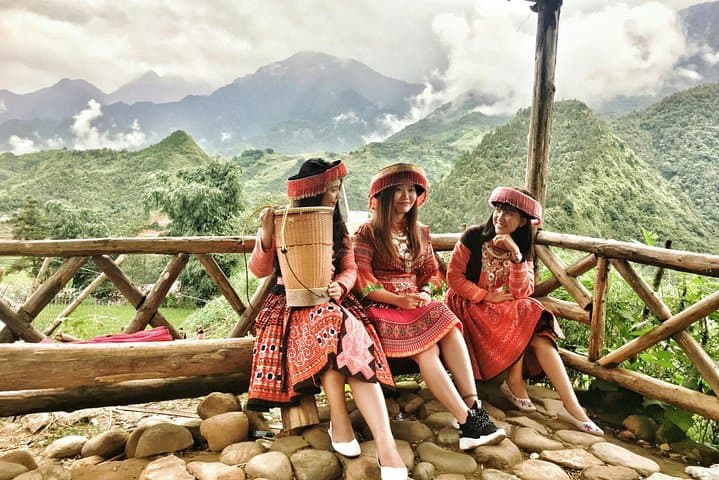
The second day winds through Cat Cat village, past a small waterfall and a French-built hydroelectric relic, then a short 3 km walk to Sin Chai at the foot of Fansipan — Vietnam’s highest peak. The geology here is limestone and metamorphic bedrock carved by centuries of rice agriculture; terraces are both practical and cultural infrastructure. Villages preserve traditional dress, hand-stitched textiles, and a slower pace of life that rewards respectful observation.
Practically: expect 6–10 km walking on uneven rural trails each day, one overnight in a basic 3-star Sapa hotel, and bus transfers to and from Hanoi (roughly 5–6 hours each way). Pack waterproof layers, sturdy boots, local cash for souvenirs and village lunches, and a sense of patience — trails move at the rhythm of farming seasons and mountain weather. The route is accessible for most hikers with basic fitness and offers a compact introduction to northern Vietnam’s landscapes and cultures.
moderate.
2 days (approx. 48 hours).
Suitable for those who can walk 6–10 km on uneven trails and handle short climbs/descents; not technical.
Expect about 5–6 hours each way by air-conditioned limousine bus, depending on traffic and stops.
The walks are moderate with short descents and ascents; many families and older travelers participate, but those with limited mobility should consult the operator.
Lunches and at least one dinner are included on the itinerary; local family lunches in villages give a cultural food experience but bring cash for extras.
Bring Vietnamese dong for village markets, snacks, tips, and small purchases; ATMs are available in Sapa town but not in remote villages.
Sapa developed as a hill-station in the French colonial period; remnants like the small hydroelectric ruin at Cat Cat reflect early 20th-century infrastructure efforts.
Terrace agriculture is both cultural heritage and an ecological system; visitors should stay on trails, avoid littering, and favor locally run services to support community stewardship.
Amazing Nature Travel operates guided outdoor trips and adventures with an emphasis on safety, stewardship, and memorable experiences.
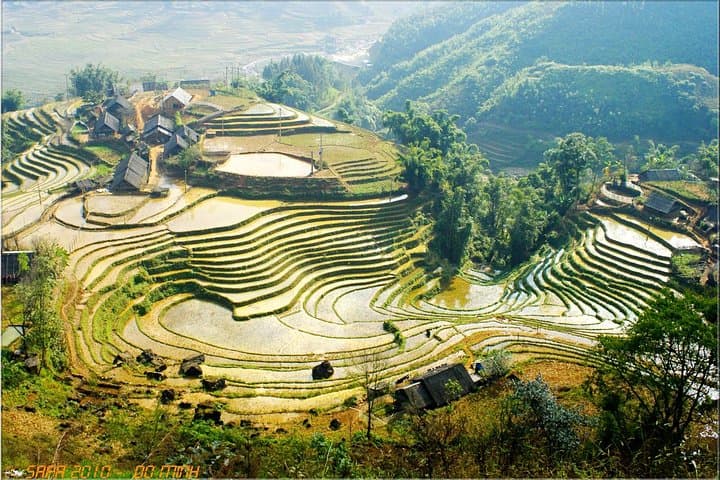


A damp pre-dawn in Hanoi gives way to the steady hum of a limousine bus and the slow climb north into cloud-scrubbed highlands. By late afternoon you’ll step out in Sapa — thin air, cooler sun, and terraces slicing the slopes toward the Muong Hoa Valley. The first day follows village tracks: 6 km from the ridge down to Y Linh Ho, then another 2 km to Lao Chai and 2 km to Ta Van. Terraced rice fields curve like worked ropes; the trail is earth and stone, sometimes muddy after rain, always edged by homes of the Black H’mong and Dzay peoples.
A damp pre-dawn in Hanoi gives way to the steady hum of a limousine bus and the slow climb north into cloud-scrubbed highlands. By late afternoon you’ll step out in Sapa — thin air, cooler sun, and terraces slicing the slopes toward the Muong Hoa Valley. The first day follows village tracks: 6 km from the ridge down to Y Linh Ho, then another 2 km to Lao Chai and 2 km to Ta Van. Terraced rice fields curve like worked ropes; the trail is earth and stone, sometimes muddy after rain, always edged by homes of the Black H’mong and Dzay peoples.
The second day winds through Cat Cat village, past a small waterfall and a French-built hydroelectric relic, then a short 3 km walk to Sin Chai at the foot of Fansipan — Vietnam’s highest peak. The geology here is limestone and metamorphic bedrock carved by centuries of rice agriculture; terraces are both practical and cultural infrastructure. Villages preserve traditional dress, hand-stitched textiles, and a slower pace of life that rewards respectful observation.
Practically: expect 6–10 km walking on uneven rural trails each day, one overnight in a basic 3-star Sapa hotel, and bus transfers to and from Hanoi (roughly 5–6 hours each way). Pack waterproof layers, sturdy boots, local cash for souvenirs and village lunches, and a sense of patience — trails move at the rhythm of farming seasons and mountain weather. The route is accessible for most hikers with basic fitness and offers a compact introduction to northern Vietnam’s landscapes and cultures.