THE ADVENTURE COLLECTIVE® · Independent discovery and booking for outdoor travel

Leave Hanoi’s traffic behind for cool mountain air and carved rice terraces. This two-day luxury-van tour to Sapa combines accessible village treks, homestay or hotel options, and guided cultural encounters with H’mong and Dzay communities.
Leave Hanoi’s traffic behind for cool mountain air and carved rice terraces. This two-day luxury-van tour to Sapa combines accessible village treks, homestay or hotel options, and guided cultural encounters with H’mong and Dzay communities.
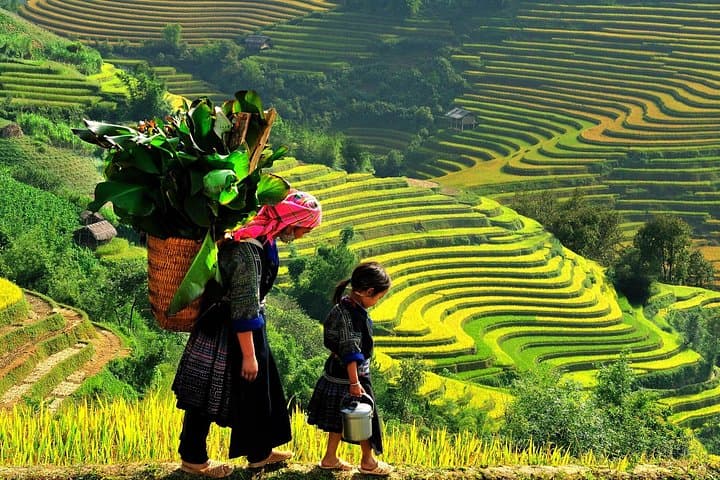
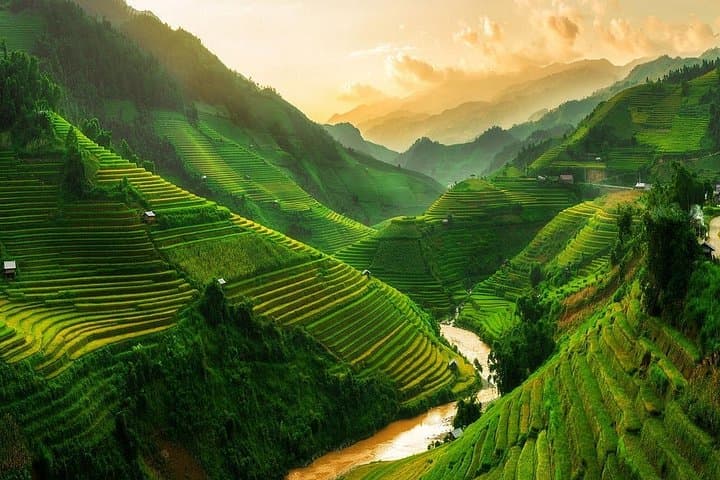
Morning mist clings to the terraced slopes as the limousine van eases out of Hanoi and the road climbs toward Hoang Lien Son. By late afternoon you’re threading narrow paths between rice paddies, the air thinner and cooler, voices of H’mong and Dzay villagers punctuating the valley. The first day drops you into Cat Cat or along the Muong Hoa stream, where a French-built hydraulic station and a valley waterfall are tangible echoes of colonial Sapa history.
Verified experiences and guided adventures in the surrounding area.
Operated by Crossing Vietnam Tour · Sapa, Lao Cai
Morning mist clings to the terraced slopes as the limousine van eases out of Hanoi and the road climbs toward Hoang Lien Son. By late afternoon you’re threading narrow paths between rice paddies, the air thinner and cooler, voices of H’mong and Dzay villagers punctuating the valley. The first day drops you into Cat Cat or along the Muong Hoa stream, where a French-built hydraulic station and a valley waterfall are tangible echoes of colonial Sapa history.
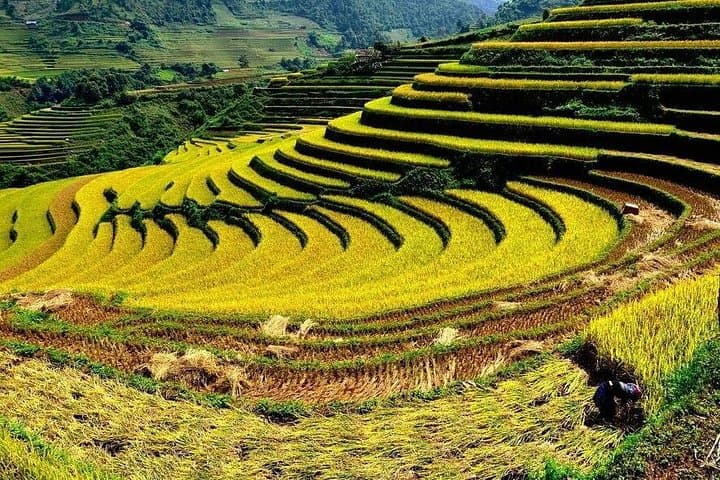
Geologically, these trails follow the young, folded ranges of the Hoang Lien massif—steep ridges carved by monsoon-driven streams. Cultural history is immediate: H’mong, Dzao and Giay households line the terraces, hand-tending rice and handicrafts passed through generations. Expect stone terraces, bamboo groves, and bridges over clear mountain streams.
Practically, the trek options range from an easy 4 km village loop to a longer 9 km terrace hike; elevation changes are moderate but steady, with some steep switchbacks. Weather shifts fast—fog and cold are common in winter months—so pack layers and a rain shell. Walk on mixed dirt and stone trails; sturdy shoes and a daypack with water are essential.
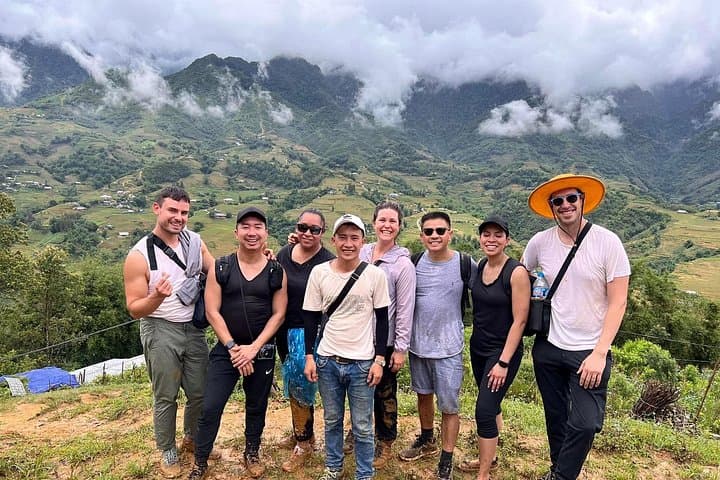
Logistics are straightforward: overnight options include 3–4* hotels or local homestays, and the tour provides meals and return transport to Hanoi. Bring cash for small purchases, basic medicines for altitude or stomach upsets, and an open mind for friendly village encounters. The route rewards steady pacing with panoramic viewpoints and genuine cultural exchange.
moderate.
2 days.
Suitable for travelers in reasonable walking shape able to handle 3–9 km of walking per day with moderate elevation change.
Yes—this tour includes lunch, dinner and breakfast as stated; meals are usually local dishes served at restaurants or homestays.
Pickup and drop-off are provided for hotels in Hanoi’s Old Quarter only; details are confirmed at booking.
Yes—routes include short, easy treks (around 4 km) and longer 9 km options; families can choose the easier itineraries and homestays often accommodate children.
Spring (Mar–May) and autumn (Sep–Nov) offer clearer skies and milder temperatures; winter is colder with frequent fog and occasional snow at higher elevations.
Sapa’s valley villages show layers of history—from French-built hydroelectric works at Cat Cat to long-established H’mong, Dzao and Giay cultural practices tied to terrace agriculture.
Trail erosion and increased tourism pressure are concerns; support local homestays, avoid single-use plastics, and stay on designated paths to reduce impact.
Crossing Vietnam Tour operates guided outdoor trips and adventures with an emphasis on safety, stewardship, and memorable experiences.
Morning mist clings to the terraced slopes as the limousine van eases out of Hanoi and the road climbs toward Hoang Lien Son. By late afternoon you’re threading narrow paths between rice paddies, the air thinner and cooler, voices of H’mong and Dzay villagers punctuating the valley. The first day drops you into Cat Cat or along the Muong Hoa stream, where a French-built hydraulic station and a valley waterfall are tangible echoes of colonial Sapa history.
Morning mist clings to the terraced slopes as the limousine van eases out of Hanoi and the road climbs toward Hoang Lien Son. By late afternoon you’re threading narrow paths between rice paddies, the air thinner and cooler, voices of H’mong and Dzay villagers punctuating the valley. The first day drops you into Cat Cat or along the Muong Hoa stream, where a French-built hydraulic station and a valley waterfall are tangible echoes of colonial Sapa history.
Geologically, these trails follow the young, folded ranges of the Hoang Lien massif—steep ridges carved by monsoon-driven streams. Cultural history is immediate: H’mong, Dzao and Giay households line the terraces, hand-tending rice and handicrafts passed through generations. Expect stone terraces, bamboo groves, and bridges over clear mountain streams.
Practically, the trek options range from an easy 4 km village loop to a longer 9 km terrace hike; elevation changes are moderate but steady, with some steep switchbacks. Weather shifts fast—fog and cold are common in winter months—so pack layers and a rain shell. Walk on mixed dirt and stone trails; sturdy shoes and a daypack with water are essential.
Logistics are straightforward: overnight options include 3–4* hotels or local homestays, and the tour provides meals and return transport to Hanoi. Bring cash for small purchases, basic medicines for altitude or stomach upsets, and an open mind for friendly village encounters. The route rewards steady pacing with panoramic viewpoints and genuine cultural exchange.