THE ADVENTURE COLLECTIVE® · Independent discovery and booking for outdoor travel

A compact 2-day trek from Hanoi to Sapa that pairs village visits with terrace-strewn hiking. Expect short, steep paths, cultural encounters with H’mong and Red Dao communities, and a 5–6 hour bus transfer each way.
A compact 2-day trek from Hanoi to Sapa that pairs village visits with terrace-strewn hiking. Expect short, steep paths, cultural encounters with H’mong and Red Dao communities, and a 5–6 hour bus transfer each way.
The bus eases out of Hanoi at night and the lowland lights give way to dark rice paddies; by morning, Sapa’s cool air sharpens into view and terraces step down the valley like giant folded maps. Day one is a short 2.5 km introduction through Cat Cat village—stone steps, water channels, and homes where H’mong and Red Dao families work indigo and silver. Day two opens into the broader Muong Hoa Valley with a longer 9 km walk through Y Linh Ho, Lao Chai and Ta Van villages, crossing bamboo bridges and terraces carved into steep slopes.
Verified experiences and guided adventures in the surrounding area.
Operated by LOCAL TOURS VIETNAM · Sapa, Lao Cai
The bus eases out of Hanoi at night and the lowland lights give way to dark rice paddies; by morning, Sapa’s cool air sharpens into view and terraces step down the valley like giant folded maps. Day one is a short 2.5 km introduction through Cat Cat village—stone steps, water channels, and homes where H’mong and Red Dao families work indigo and silver. Day two opens into the broader Muong Hoa Valley with a longer 9 km walk through Y Linh Ho, Lao Chai and Ta Van villages, crossing bamboo bridges and terraces carved into steep slopes.
Sapa sits around 1,600–1,700 m elevation on the Hoang Lien Range; geology is a mix of granite outcrops and eroded volcanic soils that create the steep benching of rice terraces. The region’s history is written in French colonial architecture and the living cultures of several ethnic minorities whose terraced agriculture has shaped the land for generations.
Practical guidance: expect 5–6 hours of bus travel each way, variable mountain weather and muddy, uneven trails with occasional steep sections—plan for roughly 200–400 m of cumulative ascent on the longer day. Bring sturdy boots, a compact rain shell and a daypack for lunch and water. Start early to avoid mid-day clouds and to give time for village visits without rushing. Respect local customs: ask before photographing people and buy handicrafts directly from sellers when possible.
This tour suits hikers comfortable on mixed terrain who want cultural contact, rice-terrace panoramas and a manageable overnight away from Hanoi.
moderate.
2 days.
Suitable for travelers in average fitness; should be comfortable walking 4–6 hours with some uphill sections.
The direct bus takes roughly 5–6 hours each way depending on traffic and border checks near Lao Cai.
Yes—day one is short (about 2.5 km); day two is longer (about 9 km) but on established village trails and manageable for walkers in average fitness.
Sapa town sits around 1,600–1,700 m; treks remain in valley benches with modest daily elevation gain rather than high-altitude climbing.
The tour includes one overnight hotel stay, 1 dinner, 2 lunches and 1 breakfast as listed in the itinerary.
Sapa’s modern identity was shaped by French colonial hill-station development and centuries of ethnic-minority agriculture that created the region’s iconic terraces.
Stick to marked trails, avoid feeding livestock and buy local handicrafts to support village economies; high season can strain water and waste systems.
LOCAL TOURS VIETNAM operates guided outdoor trips and adventures with an emphasis on safety, stewardship, and memorable experiences.
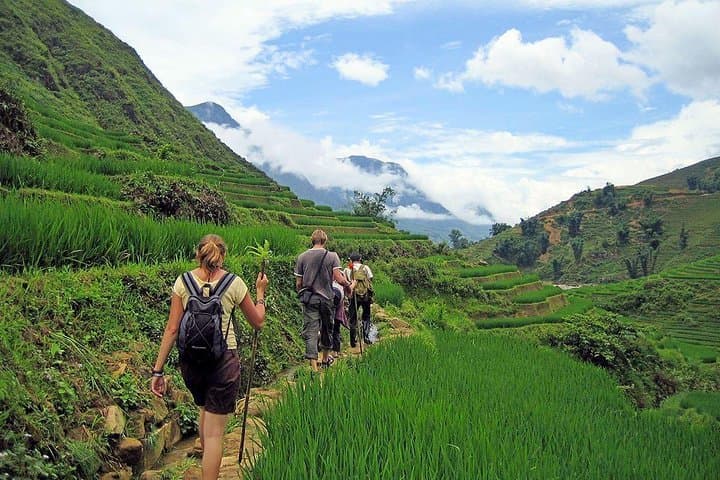
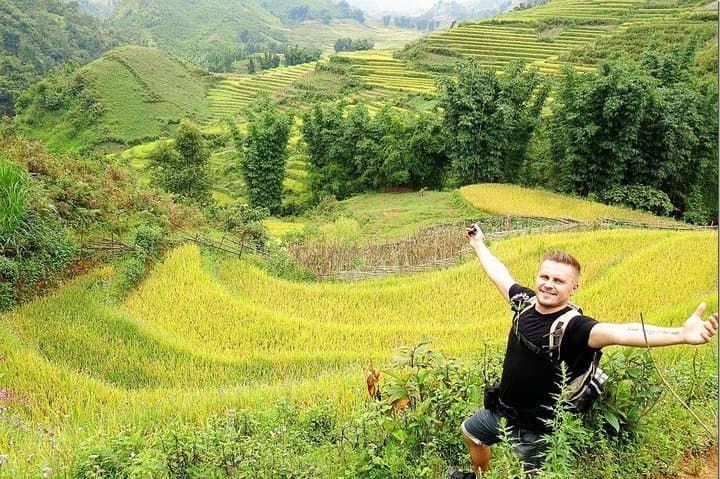
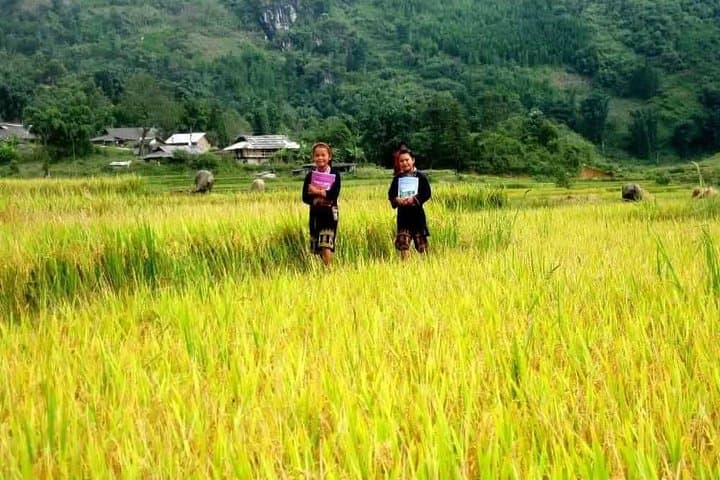
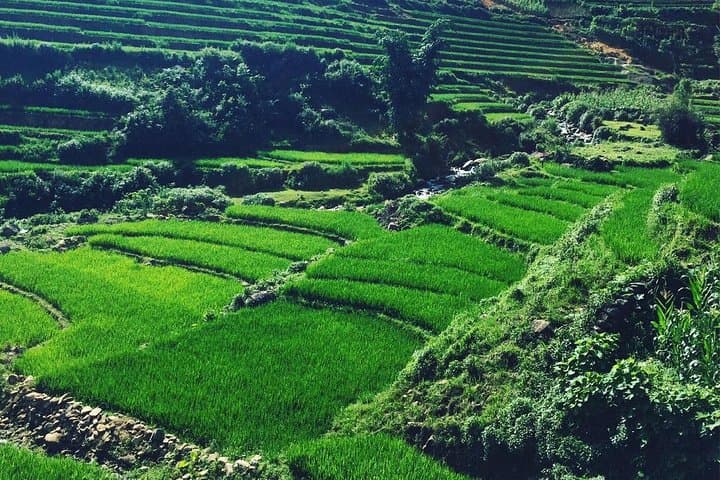
The bus eases out of Hanoi at night and the lowland lights give way to dark rice paddies; by morning, Sapa’s cool air sharpens into view and terraces step down the valley like giant folded maps. Day one is a short 2.5 km introduction through Cat Cat village—stone steps, water channels, and homes where H’mong and Red Dao families work indigo and silver. Day two opens into the broader Muong Hoa Valley with a longer 9 km walk through Y Linh Ho, Lao Chai and Ta Van villages, crossing bamboo bridges and terraces carved into steep slopes.
The bus eases out of Hanoi at night and the lowland lights give way to dark rice paddies; by morning, Sapa’s cool air sharpens into view and terraces step down the valley like giant folded maps. Day one is a short 2.5 km introduction through Cat Cat village—stone steps, water channels, and homes where H’mong and Red Dao families work indigo and silver. Day two opens into the broader Muong Hoa Valley with a longer 9 km walk through Y Linh Ho, Lao Chai and Ta Van villages, crossing bamboo bridges and terraces carved into steep slopes.
Sapa sits around 1,600–1,700 m elevation on the Hoang Lien Range; geology is a mix of granite outcrops and eroded volcanic soils that create the steep benching of rice terraces. The region’s history is written in French colonial architecture and the living cultures of several ethnic minorities whose terraced agriculture has shaped the land for generations.
Practical guidance: expect 5–6 hours of bus travel each way, variable mountain weather and muddy, uneven trails with occasional steep sections—plan for roughly 200–400 m of cumulative ascent on the longer day. Bring sturdy boots, a compact rain shell and a daypack for lunch and water. Start early to avoid mid-day clouds and to give time for village visits without rushing. Respect local customs: ask before photographing people and buy handicrafts directly from sellers when possible.
This tour suits hikers comfortable on mixed terrain who want cultural contact, rice-terrace panoramas and a manageable overnight away from Hanoi.