THE ADVENTURE COLLECTIVE® · Independent discovery and booking for outdoor travel

Spend a night in Kenya’s coastal highlands: game drives through forested ridges, a walk to Sheldrick Falls and a chance to see the rare sable antelope. Practical driving times, what to expect on each drive, and tips for a two-day safari from Mombasa.
Spend a night in Kenya’s coastal highlands: game drives through forested ridges, a walk to Sheldrick Falls and a chance to see the rare sable antelope. Practical driving times, what to expect on each drive, and tips for a two-day safari from Mombasa.
The sun is low as the safari van pulls away from Mombasa, the pop-up roof lifting so every head can catch the first light on the coastal escarpment. By midmorning the vehicle eases onto rutted tracks through tall coastal forest; birds call from the canopy, and the distant rumble of Sheldrick Falls grows louder as you approach.
Verified experiences and guided adventures in the surrounding area.
Operated by Zazu Safari Ventures · Kwale, Kwale County
The sun is low as the safari van pulls away from Mombasa, the pop-up roof lifting so every head can catch the first light on the coastal escarpment. By midmorning the vehicle eases onto rutted tracks through tall coastal forest; birds call from the canopy, and the distant rumble of Sheldrick Falls grows louder as you approach.
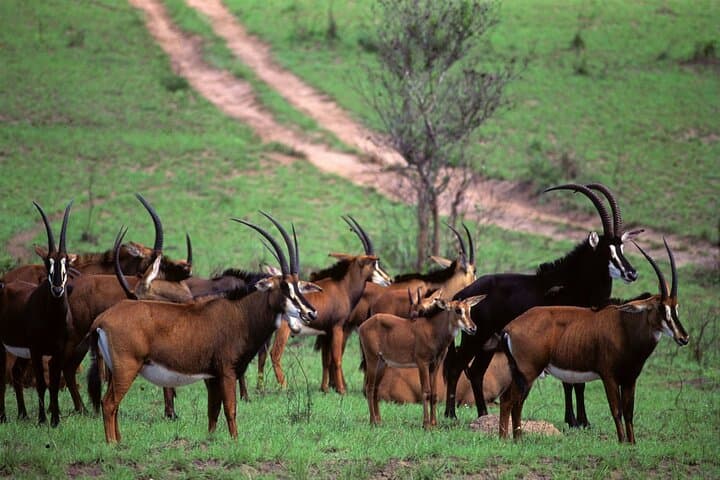
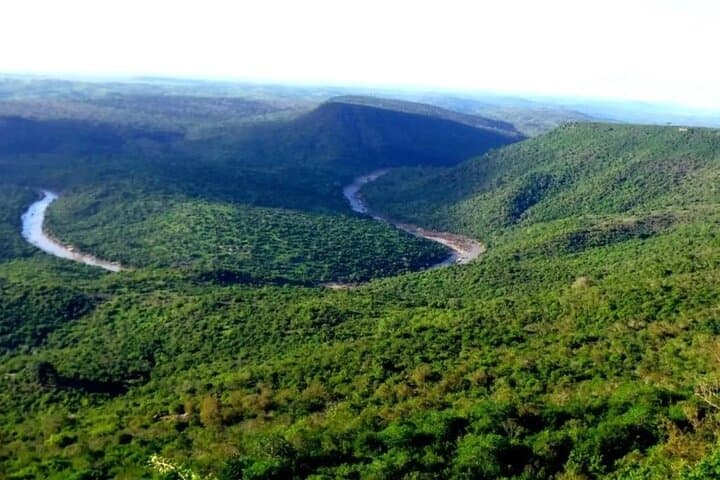
Shimba Hills is one of Kenya’s remaining patches of lowland coastal forest and an outcrop of ancient basement rock sculpted into ridges and valleys. The reserve protects rare species — most famously the sable antelope — and borders community-run areas like the Mwaluganje Elephant Sanctuary where local landowners work with conservation groups to maintain corridors for elephants.
Expect two main game drives: an afternoon push after arrival that focuses on elephants, buffalo and sable, and an early-morning sweep when leopards and shy forest species move. A short walk to Sheldrick Falls breaks the drives and showcases the reserve’s steep, verdant slopes and riverine gullies.
Practicalities: departures from Mombasa commonly leave before sunrise and the drive is roughly 1.5–2 hours depending on route (ferry or Dongo Kundu). Accommodation is lodge-based; meals and park fees are typically included. Bring layered clothing for cool mornings, a good pair of binoculars, insect protection and a camera with a moderate telephoto. Respect wildlife distances, follow ranger guidance, and plan for limited cell service — this is forested country where nature sets the pace.
The journey typically takes about 1.5–2 hours depending on whether the route uses the Dongo Kundu highway or the ferry; expect some unpaved road sections near the reserve.
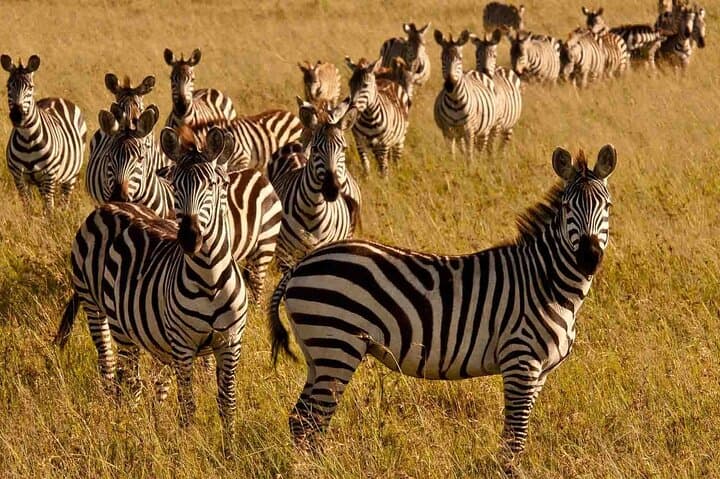
Common sightings include African elephants, buffalo, various antelope species and often the rare sable antelope; leopards are present but sightings are less predictable.
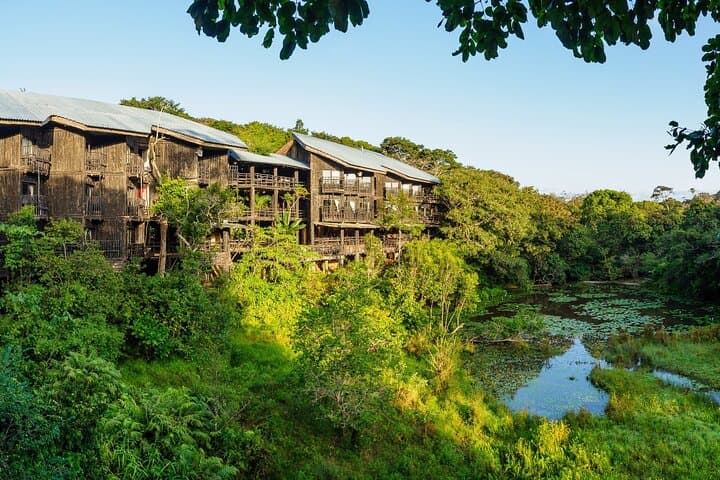
The itinerary usually includes lodge accommodation (e.g., Shimba Hills Lodge or similar) with dinner and breakfast provided; lodges are simple, comfortable and focused on safari access.
Most organized packages include park entrance fees and bottled water in the safari vehicle—confirm specifics at booking.
Zazu Safari Ventures operates guided outdoor trips and adventures with an emphasis on safety, stewardship, and memorable experiences.
The sun is low as the safari van pulls away from Mombasa, the pop-up roof lifting so every head can catch the first light on the coastal escarpment. By midmorning the vehicle eases onto rutted tracks through tall coastal forest; birds call from the canopy, and the distant rumble of Sheldrick Falls grows louder as you approach.
The sun is low as the safari van pulls away from Mombasa, the pop-up roof lifting so every head can catch the first light on the coastal escarpment. By midmorning the vehicle eases onto rutted tracks through tall coastal forest; birds call from the canopy, and the distant rumble of Sheldrick Falls grows louder as you approach.
Shimba Hills is one of Kenya’s remaining patches of lowland coastal forest and an outcrop of ancient basement rock sculpted into ridges and valleys. The reserve protects rare species — most famously the sable antelope — and borders community-run areas like the Mwaluganje Elephant Sanctuary where local landowners work with conservation groups to maintain corridors for elephants.
Expect two main game drives: an afternoon push after arrival that focuses on elephants, buffalo and sable, and an early-morning sweep when leopards and shy forest species move. A short walk to Sheldrick Falls breaks the drives and showcases the reserve’s steep, verdant slopes and riverine gullies.
Practicalities: departures from Mombasa commonly leave before sunrise and the drive is roughly 1.5–2 hours depending on route (ferry or Dongo Kundu). Accommodation is lodge-based; meals and park fees are typically included. Bring layered clothing for cool mornings, a good pair of binoculars, insect protection and a camera with a moderate telephoto. Respect wildlife distances, follow ranger guidance, and plan for limited cell service — this is forested country where nature sets the pace.