THE ADVENTURE COLLECTIVE® · Independent discovery and booking for outdoor travel

Spend a night inside Amboseli National Park with Kilimanjaro as your backdrop. This private 2‑day safari from Nairobi pairs afternoon and dawn game drives with an overnight camp stay for concentrated wildlife viewing.
Spend a night inside Amboseli National Park with Kilimanjaro as your backdrop. This private 2‑day safari from Nairobi pairs afternoon and dawn game drives with an overnight camp stay for concentrated wildlife viewing.
Dawn breaks over the low scrub of southern Kenya and the silhouette of Mount Kilimanjaro sharpens against a pale sky.
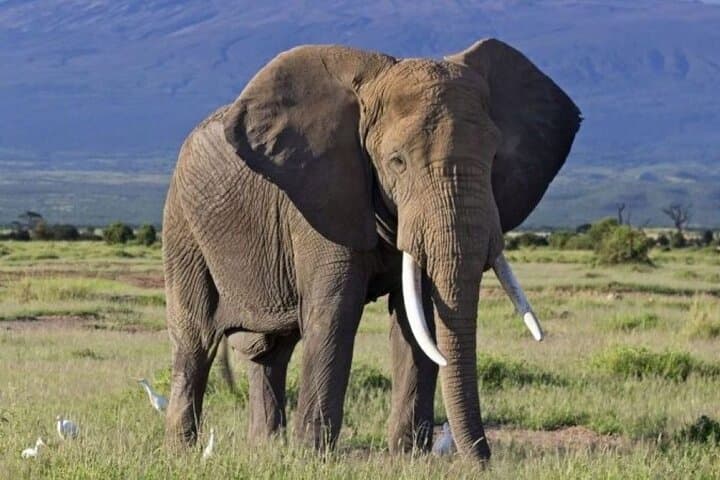
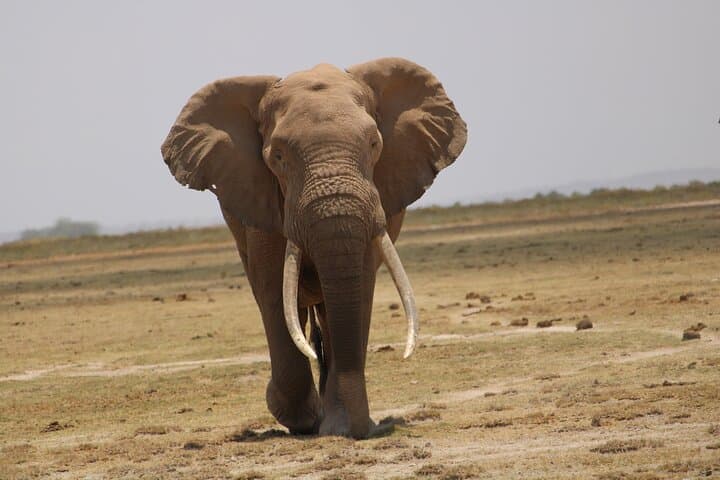
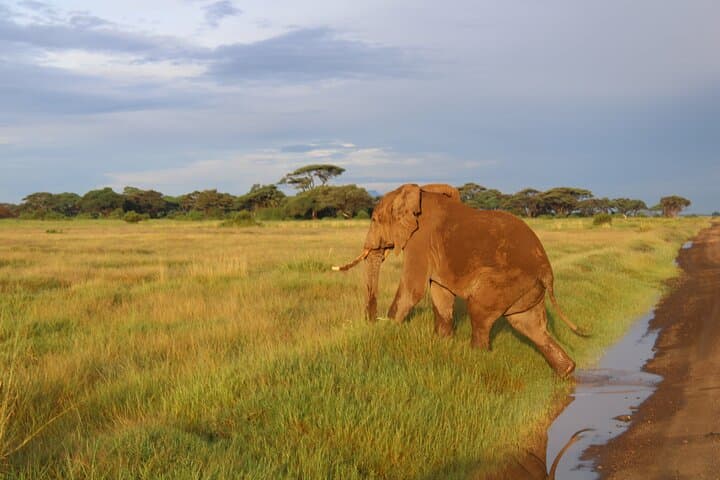
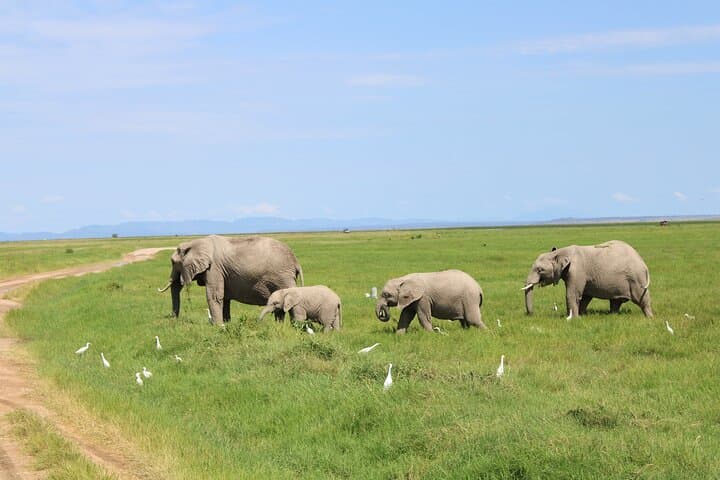
You’re seated in a pop‑roof van, camera ready, as the vehicle eases onto a track and a tower of elephants emerges from a dust ring—Kilimanjaro’s white cap holding court in the distance.
Verified experiences and guided adventures in the surrounding area.
Operated by Excellent GameSpotting Adventures · Amboseli National Park, Kajiado County
Dawn breaks over the low scrub of southern Kenya and the silhouette of Mount Kilimanjaro sharpens against a pale sky.
You’re seated in a pop‑roof van, camera ready, as the vehicle eases onto a track and a tower of elephants emerges from a dust ring—Kilimanjaro’s white cap holding court in the distance.
Amboseli sits where volcanic plains meet seasonal wetlands. The park was formally protected in the 1970s to safeguard migrating herds and the Maasai grazing lands that surround it. Geologically it’s a basin: fine volcanic sediments and ancient alluvium collect water in shallow swamps, feeding acacias and attracting grazers.
Culturally, the Maasai remain a visible presence—herders and artisans whose lives have long been tied to this dryland mosaic. Modern conservation in Amboseli balances tourism with community conservancy efforts and cross‑border wildlife corridors toward Kilimanjaro.
On a private overnight safari from Nairobi you’ll cover roughly 4–5 hours each way along the Nairobi–Mombasa road, arrive for an afternoon game drive, sleep at a camp or lodge inside the park, then rise early for a second morning of viewing before returning to the city.
Practical notes: park entrance fees and an open‑roof vehicle are typically included; bring binoculars, sun protection, and layers for cool early mornings. Expect long stretches of seated travel, short drives over rough tracks and close encounters with elephant, giraffe, zebra and lions from the vehicle. Travel light, charge batteries, and time your visit for the dry months (June–October or January–February) if visibility of Kilimanjaro and concentrated wildlife sightings are priorities.
easy.
2 days.
Suitable for most fitness levels—requires extended periods sitting and the ability to climb in/out of a safari vehicle.
Expect roughly 4–5 hours each way depending on traffic and road conditions along the Nairobi–Mombasa route.
Kilimanjaro is visible most dry‑season mornings; clouds and rain in wet months can obscure the peak, so plan for June–October or January–February for best views.
Children are permitted but infants must sit on an adult’s lap; the itinerary involves long drives and limited facilities for very young children.
This itinerary typically includes park entrance fees, transport in a pop‑roof van and one night’s accommodation, but confirm details with the operator before booking.
Amboseli was designated a national park in the 1970s to protect migratory corridors and the region’s ecological link to Kilimanjaro; Maasai communities have long used the surrounding rangelands for grazing.
Conservation here emphasizes community conservancies and corridor protection; climate change is visibly affecting Kilimanjaro’s glaciers and regional water cycles, which impacts Amboseli’s wetland habitats.
Excellent GameSpotting Adventures operates guided outdoor trips and adventures with an emphasis on safety, stewardship, and memorable experiences.
Dawn breaks over the low scrub of southern Kenya and the silhouette of Mount Kilimanjaro sharpens against a pale sky.
You’re seated in a pop‑roof van, camera ready, as the vehicle eases onto a track and a tower of elephants emerges from a dust ring—Kilimanjaro’s white cap holding court in the distance.
Dawn breaks over the low scrub of southern Kenya and the silhouette of Mount Kilimanjaro sharpens against a pale sky.
You’re seated in a pop‑roof van, camera ready, as the vehicle eases onto a track and a tower of elephants emerges from a dust ring—Kilimanjaro’s white cap holding court in the distance.
Amboseli sits where volcanic plains meet seasonal wetlands. The park was formally protected in the 1970s to safeguard migrating herds and the Maasai grazing lands that surround it. Geologically it’s a basin: fine volcanic sediments and ancient alluvium collect water in shallow swamps, feeding acacias and attracting grazers.
Culturally, the Maasai remain a visible presence—herders and artisans whose lives have long been tied to this dryland mosaic. Modern conservation in Amboseli balances tourism with community conservancy efforts and cross‑border wildlife corridors toward Kilimanjaro.
On a private overnight safari from Nairobi you’ll cover roughly 4–5 hours each way along the Nairobi–Mombasa road, arrive for an afternoon game drive, sleep at a camp or lodge inside the park, then rise early for a second morning of viewing before returning to the city.
Practical notes: park entrance fees and an open‑roof vehicle are typically included; bring binoculars, sun protection, and layers for cool early mornings. Expect long stretches of seated travel, short drives over rough tracks and close encounters with elephant, giraffe, zebra and lions from the vehicle. Travel light, charge batteries, and time your visit for the dry months (June–October or January–February) if visibility of Kilimanjaro and concentrated wildlife sightings are priorities.