THE ADVENTURE COLLECTIVE® · Independent discovery and booking for outdoor travel

Spend a night inside a working 700-year-old temple reached only on foot. This two-day guided pilgrimage on Shichimenzan mixes a moderate mountain hike, communal temple life, sunrise views of Mt. Fuji and authentic Buddhist ceremonies.
Spend a night inside a working 700-year-old temple reached only on foot. This two-day guided pilgrimage on Shichimenzan mixes a moderate mountain hike, communal temple life, sunrise views of Mt. Fuji and authentic Buddhist ceremonies.
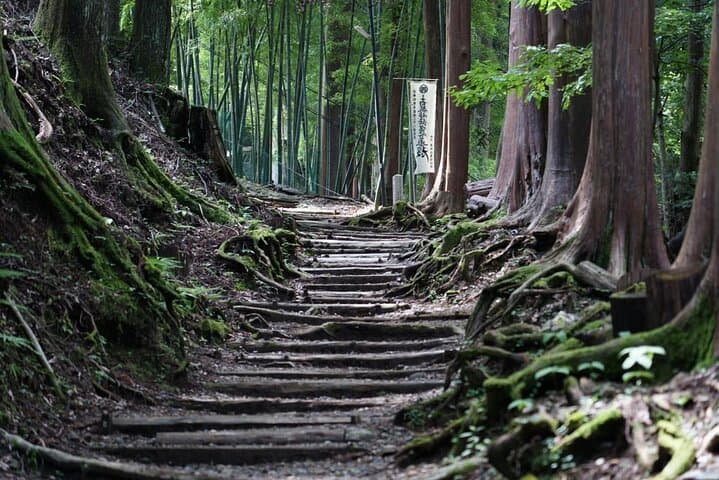
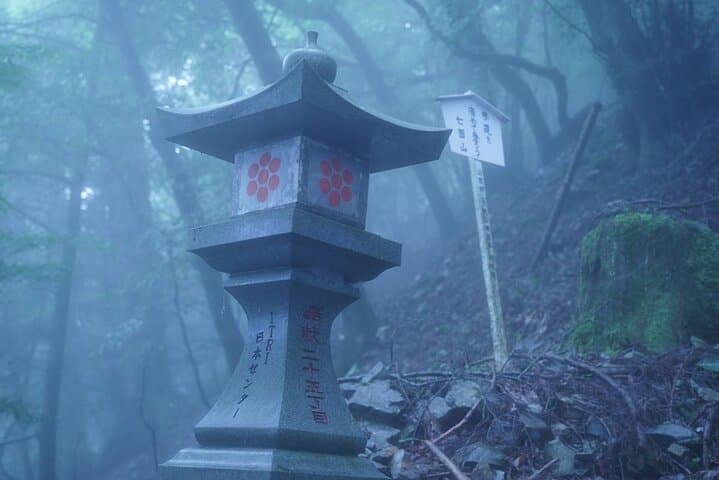
You start before dusk on a narrow stone path, the air cooling as pines lean in and the valley light slips away. Lanterns at a small base temple mark the route; a cold stream roars below like a voice calling you upward. The climb is deliberate — steps, roots, and the occasional iron rung — until the temple reappears above the tree line, lit by paper lamps and the steady murmur of chant.
Verified experiences and guided adventures in the surrounding area.
Operated by Japan Adventure Group LLC · Minobu, Yamanashi
You start before dusk on a narrow stone path, the air cooling as pines lean in and the valley light slips away. Lanterns at a small base temple mark the route; a cold stream roars below like a voice calling you upward. The climb is deliberate — steps, roots, and the occasional iron rung — until the temple reappears above the tree line, lit by paper lamps and the steady murmur of chant.
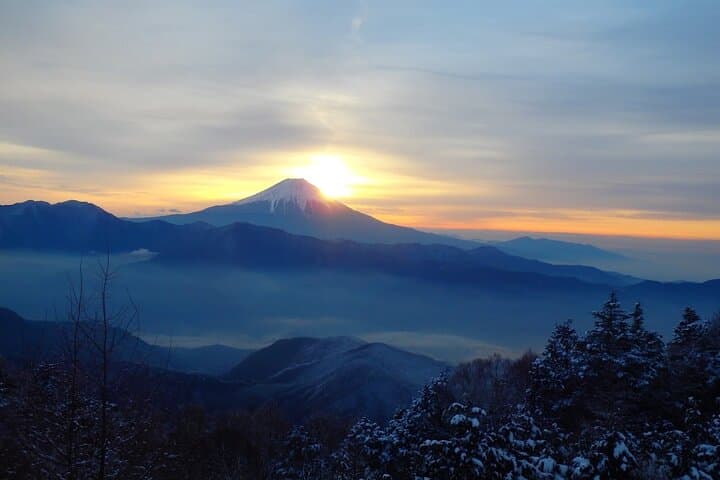
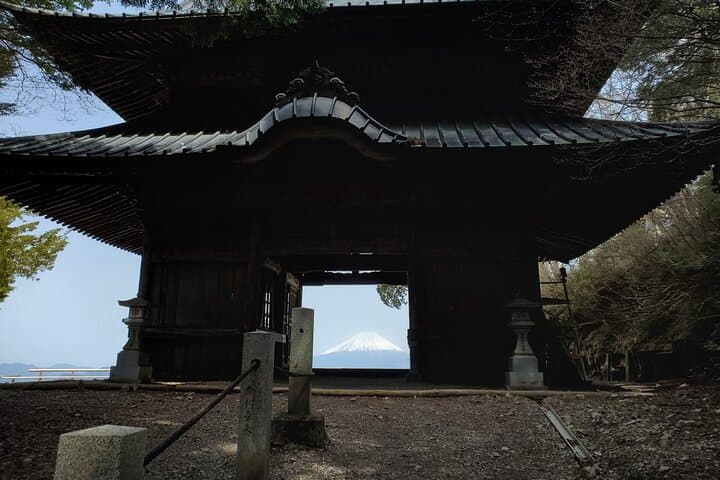
Shichimenzan has been a Nichiren Buddhist training ground since the late 1200s. Geologically it is an eroded volcanic ridge with hard-packed trails and sections of wet moss where waterfalls carve their channels; one fall below the route is still used for winter purification rites. The temple you stay in, Keishinin, faces Mt. Fuji and is famous locally for the ‘‘diamond Fuji’’ alignment on the equinox when sunlight threads through the gate into the main hall.
Expect an authentic temple night: basic tatami rooms with futons, communal gender-separated baths, and a simple vegetarian kaiseki featuring rice, miso, and seasonal sides. The next morning you’ll climb to the summit (about 45 minutes up, 30 down) for multiple Fuji viewpoints before descending and visiting Minobusan Kuon-ji with its 287 stairs.
Practical notes: the two-day route covers roughly 8 km with about 900 m total elevation gain; moderate fitness is required. Waterproof boots are required Dec–Apr. Guides provide transport to trailheads and the itinerary moves at a pilgrim’s steady pace — respectful, purposeful, and quietly revealing the mountain’s rhythms.
moderate.
2 days.
Suitable for hikers with regular cardio activity; able to manage steep sections and 900 m total elevation gain over two days.
The route covers roughly 8 km over two days with about 900 m total elevation gain; it’s rated moderate and requires basic hiking fitness.
Temple lodging is very basic: shared tatami rooms with futons, no private rooms, and gender-separated communal baths.
Yes — Keishinin and summit viewpoints offer excellent views of Mt. Fuji, especially in clear weather and spectacularly at equinox when the ‘‘diamond Fuji’’ alignment can occur.
Not recommended for travelers with serious spinal or cardiovascular issues; small children may need to be carried on steeper sections, so bring an appropriate carrier if joining with kids.
Shichimenzan has been a Nichiren Buddhist pilgrimage and mountain training site since the late 1200s; Keishinin temple was built to honor the mountain deity and protect the Lotus Sutra.
Trails are narrow and erosion-prone; stick to marked paths and pack out all trash. Local temples work with guides to limit group sizes and preserve sacred sites.
Japan Adventure Group LLC operates guided outdoor trips and adventures with an emphasis on safety, stewardship, and memorable experiences.
You start before dusk on a narrow stone path, the air cooling as pines lean in and the valley light slips away. Lanterns at a small base temple mark the route; a cold stream roars below like a voice calling you upward. The climb is deliberate — steps, roots, and the occasional iron rung — until the temple reappears above the tree line, lit by paper lamps and the steady murmur of chant.
You start before dusk on a narrow stone path, the air cooling as pines lean in and the valley light slips away. Lanterns at a small base temple mark the route; a cold stream roars below like a voice calling you upward. The climb is deliberate — steps, roots, and the occasional iron rung — until the temple reappears above the tree line, lit by paper lamps and the steady murmur of chant.
Shichimenzan has been a Nichiren Buddhist training ground since the late 1200s. Geologically it is an eroded volcanic ridge with hard-packed trails and sections of wet moss where waterfalls carve their channels; one fall below the route is still used for winter purification rites. The temple you stay in, Keishinin, faces Mt. Fuji and is famous locally for the ‘‘diamond Fuji’’ alignment on the equinox when sunlight threads through the gate into the main hall.
Expect an authentic temple night: basic tatami rooms with futons, communal gender-separated baths, and a simple vegetarian kaiseki featuring rice, miso, and seasonal sides. The next morning you’ll climb to the summit (about 45 minutes up, 30 down) for multiple Fuji viewpoints before descending and visiting Minobusan Kuon-ji with its 287 stairs.
Practical notes: the two-day route covers roughly 8 km with about 900 m total elevation gain; moderate fitness is required. Waterproof boots are required Dec–Apr. Guides provide transport to trailheads and the itinerary moves at a pilgrim’s steady pace — respectful, purposeful, and quietly revealing the mountain’s rhythms.