THE ADVENTURE COLLECTIVE® · Independent discovery and booking for outdoor travel

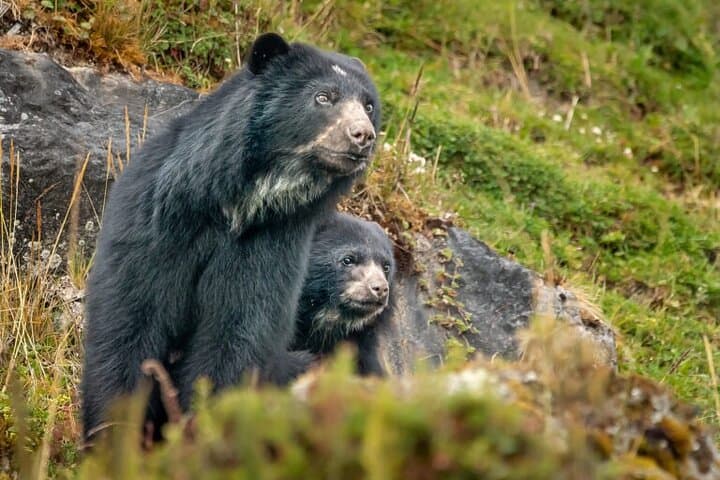
Spend an overnight trek into the páramo near Bogotá to track habitat, plant native trees and learn from local communities working to conserve the spectacled bear. This hands-on conservation stay combines high‑altitude hiking with cultural exchange and wildlife watching.
Spend an overnight trek into the páramo near Bogotá to track habitat, plant native trees and learn from local communities working to conserve the spectacled bear. This hands-on conservation stay combines high‑altitude hiking with cultural exchange and wildlife watching.
Dawn breaks over high grass and roped peat; a cold wind sweeps the páramo and the air tastes like metal and rain. You begin on a narrow trail carved through tussock and frailejón fields, the clouds parting to reveal ridgelines that push their way toward the sky. The landscape feels alive and blunt—bogs that resist your boots, winds that rearrange the morning light—and the promise of the spectacled (Andean) bear hangs in the hush.
Verified experiences and guided adventures in the surrounding area.
Operated by Aventura Natural Colombia · Bogotá, Cundinamarca
Dawn breaks over high grass and roped peat; a cold wind sweeps the páramo and the air tastes like metal and rain. You begin on a narrow trail carved through tussock and frailejón fields, the clouds parting to reveal ridgelines that push their way toward the sky. The landscape feels alive and blunt—bogs that resist your boots, winds that rearrange the morning light—and the promise of the spectacled (Andean) bear hangs in the hush.
The route runs in the shadow of Chingaza National Natural Park, a protected Andean reserve established to secure Bogotá’s headwaters and preserve high-altitude ecosystems. Geologically, the páramo sits on humid plateaus where glacial action and volcanic uplift created wet peatlands and shallow lakes; culturally, the land has long been part of local campesino life and Muisca territory, now practiced by community conservation projects.
Expect a mix of soft peat, rocky outcrops and mule paths; elevation commonly ranges around 3,000–4,000 meters, so mornings are cold and afternoons can turn wet. Nights are spent with a local community collective where meals are hearty and conversations center on reforestation and bear ecology—participants often plant native shrubs that feed the Andean bear.
Practically: pack warm, layered clothing, a waterproof shell, and sturdy boots with good grip for boggy terrain. Move deliberately to manage altitude—drink, rest, and avoid heavy exertion the first day. Keep noise low, stay on marked routes, and follow community guides: they know where sightings and sensitive habitats are. This is an immersive, hands-on conservation overnight that pairs wilderness watching with meaningful stewardship.
moderate.
24–30 hours (overnight).
Moderate fitness—able to hike several hours at high elevation and manage uneven, boggy terrain
Sightings are possible but not guaranteed; bears are elusive and most observations come at dawn or dusk. The community guides know local sign and feeding areas that increase your chances.
Visits to protected areas typically require park entrance or guide coordination; this organized experience includes community access and necessary permissions handled by the operator.
Overnight stays are with a local peasant community—simple, warm lodgings and home-cooked meals focused on local ingredients and conservation priorities.
Not recommended for travelers with serious back issues or certain cardiovascular conditions; infants must sit on an adult’s lap and the operator advises moderate fitness for participants.
Chingaza has long been part of Muisca territory; the park was established to protect critical water sources and high‑altitude ecosystems for Bogotá and surrounding communities.
The experience supports community-led reforestation and sustainable livelihoods—visitors help plant native shrubs and follow low-impact practices to protect fragile páramo peatlands.
Aventura Natural Colombia operates guided outdoor trips and adventures with an emphasis on safety, stewardship, and memorable experiences.
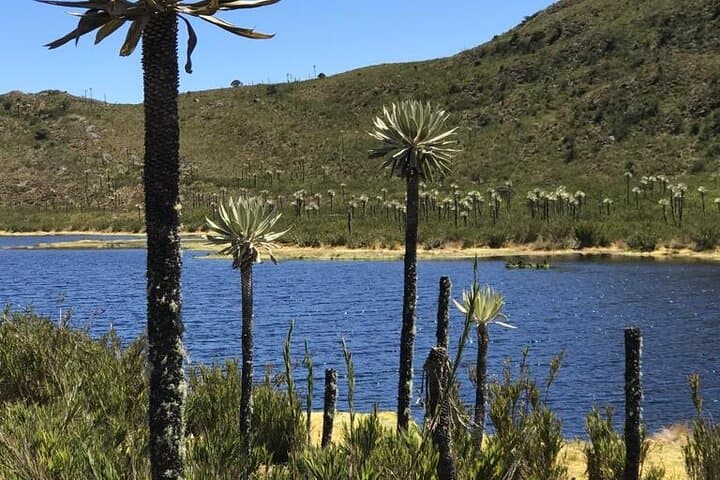
Dawn breaks over high grass and roped peat; a cold wind sweeps the páramo and the air tastes like metal and rain. You begin on a narrow trail carved through tussock and frailejón fields, the clouds parting to reveal ridgelines that push their way toward the sky. The landscape feels alive and blunt—bogs that resist your boots, winds that rearrange the morning light—and the promise of the spectacled (Andean) bear hangs in the hush.
Dawn breaks over high grass and roped peat; a cold wind sweeps the páramo and the air tastes like metal and rain. You begin on a narrow trail carved through tussock and frailejón fields, the clouds parting to reveal ridgelines that push their way toward the sky. The landscape feels alive and blunt—bogs that resist your boots, winds that rearrange the morning light—and the promise of the spectacled (Andean) bear hangs in the hush.
The route runs in the shadow of Chingaza National Natural Park, a protected Andean reserve established to secure Bogotá’s headwaters and preserve high-altitude ecosystems. Geologically, the páramo sits on humid plateaus where glacial action and volcanic uplift created wet peatlands and shallow lakes; culturally, the land has long been part of local campesino life and Muisca territory, now practiced by community conservation projects.
Expect a mix of soft peat, rocky outcrops and mule paths; elevation commonly ranges around 3,000–4,000 meters, so mornings are cold and afternoons can turn wet. Nights are spent with a local community collective where meals are hearty and conversations center on reforestation and bear ecology—participants often plant native shrubs that feed the Andean bear.
Practically: pack warm, layered clothing, a waterproof shell, and sturdy boots with good grip for boggy terrain. Move deliberately to manage altitude—drink, rest, and avoid heavy exertion the first day. Keep noise low, stay on marked routes, and follow community guides: they know where sightings and sensitive habitats are. This is an immersive, hands-on conservation overnight that pairs wilderness watching with meaningful stewardship.