THE ADVENTURE COLLECTIVE® · Independent discovery and booking for outdoor travel

Spend a night with island families on Lake Titicaca: walk the floating Uros islands, sleep in Amantani community housing, and explore Taquile’s famed weavings. Practical advice for altitude, gear and cultural etiquette included.
Spend a night with island families on Lake Titicaca: walk the floating Uros islands, sleep in Amantani community housing, and explore Taquile’s famed weavings. Practical advice for altitude, gear and cultural etiquette included.
The motorboat nudges through glassy high‑altitude water as morning light breaks over Puno; reeds whisper against woven totora hulls and a cluster of floating islands comes into view. On Day One visitors step onto Uros—man‑made reed platforms where families still live, fish, and repair their homes—and then cross open lake to Amantani, where a community house becomes basecamp for an evening of local food and music.
Verified experiences and guided adventures in the surrounding area.
Operated by GO PERU ADVENTURE · Puno, Puno
The motorboat nudges through glassy high‑altitude water as morning light breaks over Puno; reeds whisper against woven totora hulls and a cluster of floating islands comes into view. On Day One visitors step onto Uros—man‑made reed platforms where families still live, fish, and repair their homes—and then cross open lake to Amantani, where a community house becomes basecamp for an evening of local food and music.
Lake Titicaca sits on the Andean Altiplano at roughly 3,800–4,100 m, a landscape carved by glacial and tectonic forces that left shallow basins, rocky islands and wind‑blown shores. The Uros people pre‑date the Inca and made their islands from totora reeds as both shelter and flotation; Taquile developed a distinct weaving culture with communal land tenure and textile patterns recognized by UNESCO.
Expect firm, uneven paths on island walks, steep stone steps on Taquile, and thin air that makes even short climbs feel strenuous. Nights are cold—families provide blankets but temperatures dip well below daytime highs. Meals are simple, locally sourced, and often communal; the homestay is cultural exchange more than hotel comfort.
Practical notes: the tour typically departs from Puno in the morning and returns mid‑afternoon on Day Two. Bring sun protection, layered warm clothing, cash in soles, and modest gifts or gratitude for hosts. Hydrate and acclimatize in Puno before departure; avoid heavy exertion on arrival day. With basic preparation, this two‑day trip blends easy paddling and hiking with direct cultural encounters on one of South America’s highest lakes.
moderate.
2 days (about 2 days, 8–10 hours of travel/walking spread over 2 days).
Requires moderate fitness: short steep climbs on Amantani/Taquile and balance on uneven surfaces; expect effects of high altitude.
Islands and viewpoints range ~3,800–4,150 m. Altitude can cause headaches and breathlessness; allow time in Puno to acclimatize and drink plenty of fluids.
Accommodations are community homes—simple beds, shared facilities, communal meals and an evening of local music; not a hotel experience but an authentic cultural exchange.
Facilities vary by island and family; basic pit or gravity toilets are common and hot showers may be limited—carry hygiene supplies.
Not recommended for pregnant travelers and children should be supervised; the tour requires moderate mobility and tolerance for altitude.
Uros communities built floating totora islands centuries before the Inca as mobile refuges and fishing bases; Taquile developed communal weaving traditions now celebrated internationally.
Totora reeds and fragile island ecosystems are sensitive to trampling and waste—support community guides, avoid single‑use plastics, and follow local disposal guidelines.
GO PERU ADVENTURE operates guided outdoor trips and adventures with an emphasis on safety, stewardship, and memorable experiences.
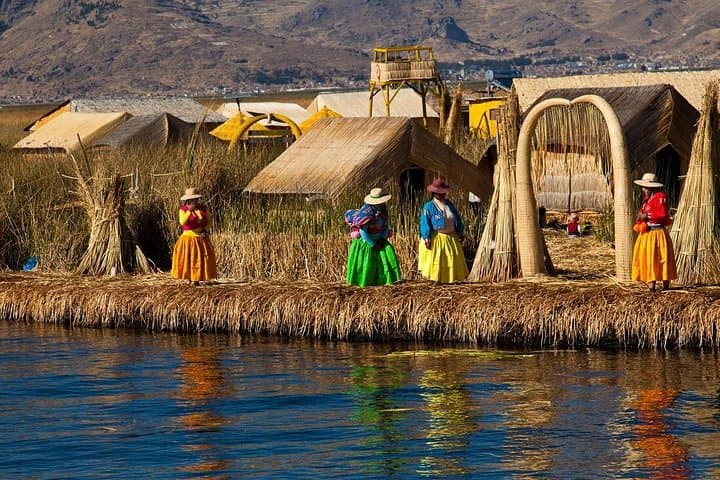
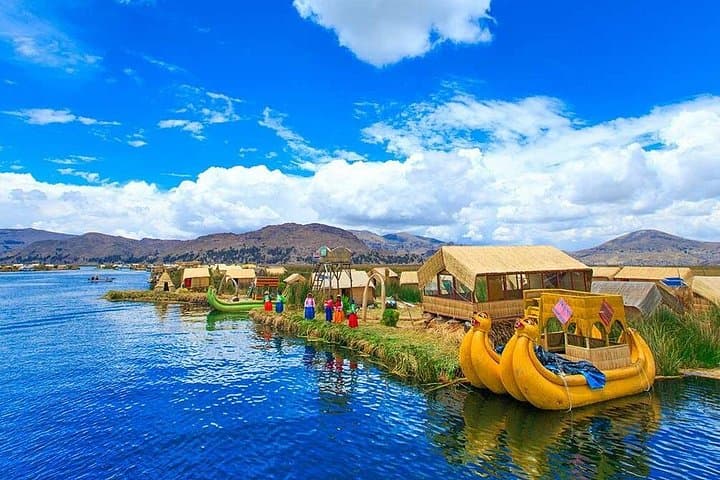
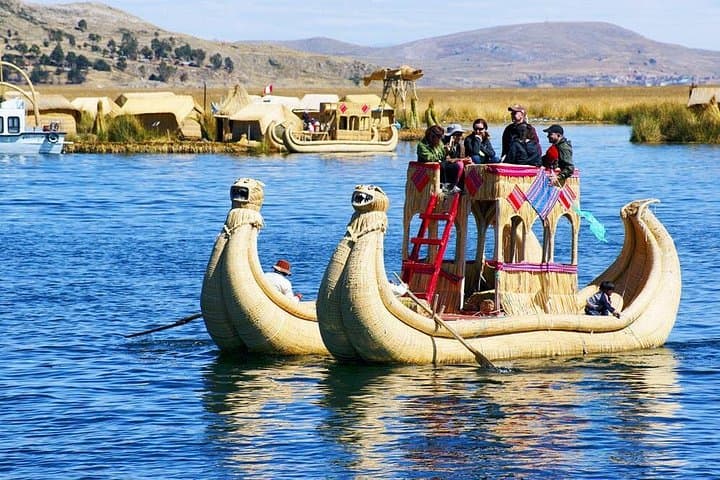
The motorboat nudges through glassy high‑altitude water as morning light breaks over Puno; reeds whisper against woven totora hulls and a cluster of floating islands comes into view. On Day One visitors step onto Uros—man‑made reed platforms where families still live, fish, and repair their homes—and then cross open lake to Amantani, where a community house becomes basecamp for an evening of local food and music.
The motorboat nudges through glassy high‑altitude water as morning light breaks over Puno; reeds whisper against woven totora hulls and a cluster of floating islands comes into view. On Day One visitors step onto Uros—man‑made reed platforms where families still live, fish, and repair their homes—and then cross open lake to Amantani, where a community house becomes basecamp for an evening of local food and music.
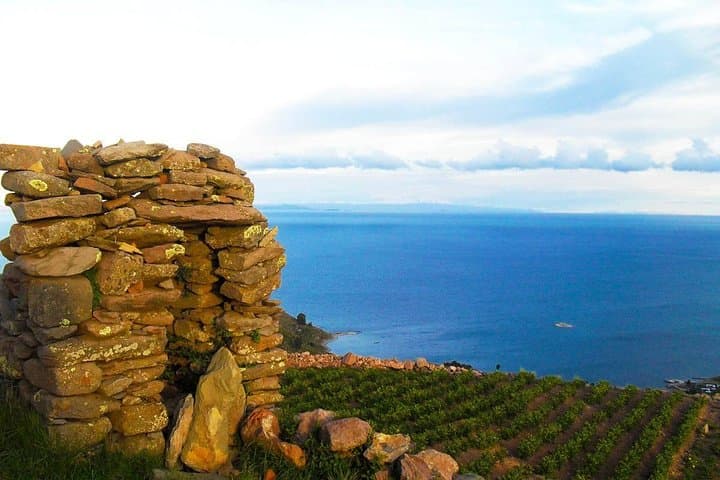
Lake Titicaca sits on the Andean Altiplano at roughly 3,800–4,100 m, a landscape carved by glacial and tectonic forces that left shallow basins, rocky islands and wind‑blown shores. The Uros people pre‑date the Inca and made their islands from totora reeds as both shelter and flotation; Taquile developed a distinct weaving culture with communal land tenure and textile patterns recognized by UNESCO.
Expect firm, uneven paths on island walks, steep stone steps on Taquile, and thin air that makes even short climbs feel strenuous. Nights are cold—families provide blankets but temperatures dip well below daytime highs. Meals are simple, locally sourced, and often communal; the homestay is cultural exchange more than hotel comfort.
Practical notes: the tour typically departs from Puno in the morning and returns mid‑afternoon on Day Two. Bring sun protection, layered warm clothing, cash in soles, and modest gifts or gratitude for hosts. Hydrate and acclimatize in Puno before departure; avoid heavy exertion on arrival day. With basic preparation, this two‑day trip blends easy paddling and hiking with direct cultural encounters on one of South America’s highest lakes.