THE ADVENTURE COLLECTIVE® · Independent discovery and booking for outdoor travel

Glide through braided channels in a traditional mokoro, camp beneath riverine trees and track hippos and elephants on short island walks. This 2-night mobile camping trip from Maun pairs local guides with authentic mokoro travel to experience the Okavango’s seasonal floodplain up close.
Glide through braided channels in a traditional mokoro, camp beneath riverine trees and track hippos and elephants on short island walks. This 2-night mobile camping trip from Maun pairs local guides with authentic mokoro travel to experience the Okavango’s seasonal floodplain up close.
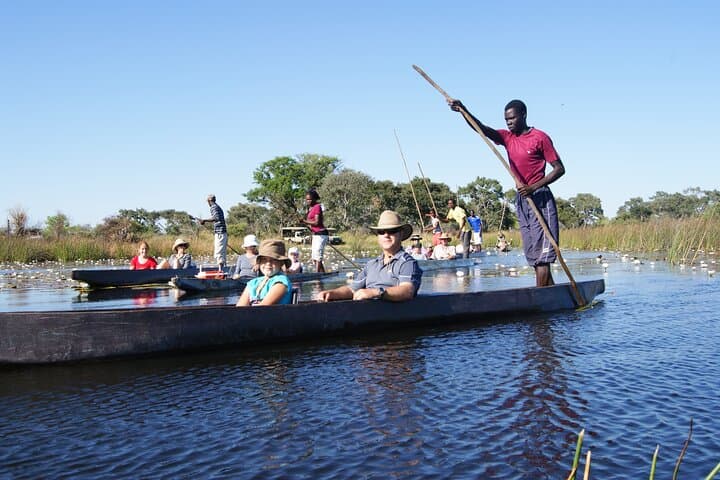
Dawn spills gold across narrow channels as a mokoro slips forward, pushed by the steady rhythm of a poler. Water lilies part like curtains, and the delta’s flat horizon stretches until a distant herd becomes a moving shadow. On this 2-night, 3-day mobile camp, travelers trade roads for waterways, sleeping in small tents beneath a canopy of riverine trees and letting the delta set the day’s pace.
Verified experiences and guided adventures in the surrounding area.
Operated by Mosu Safari Tours · Maun, North-West District
Dawn spills gold across narrow channels as a mokoro slips forward, pushed by the steady rhythm of a poler. Water lilies part like curtains, and the delta’s flat horizon stretches until a distant herd becomes a moving shadow. On this 2-night, 3-day mobile camp, travelers trade roads for waterways, sleeping in small tents beneath a canopy of riverine trees and letting the delta set the day’s pace.
The mokoro is a carved dugout canoe long used by BaYei and other delta communities; community trusts now run many excursions, combining local guiding with simple mobile camping. Geologically the Okavango is a seasonal inland delta fed by rains in the Angolan highlands—floodwaters fan out over Kalahari sands, creating braided channels, islands and an ever-changing mosaic of floodplain and dry ground.
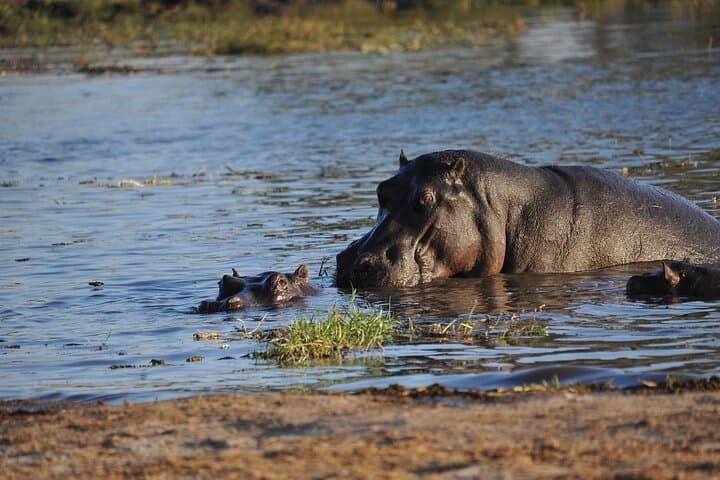
Wildlife concentrates along permanent channels: hippos and elephants come to feed and cool, while reedbeds shelter secretive birds. Cultural notes echo in camp life—the mokoro poler’s skill, community-prepared meals, and local stewardship of routes and campsites.
Practical guidance: arrive via Maun, travel light (only a small overnight bag is taken into the delta while larger luggage is stored), and expect basic mobile tents with small linen. Bring insect repellent and malaria precautions, waterproof footwear for wading board transitions, binoculars for birding, and layered clothing for cool mornings and hot afternoons. Respect wildlife distances, follow your guide’s lead when landing on islands, and plan for early starts—wildlife is most active at first light and late afternoon. This trip is quiet, immersive and best for travelers seeking a hands-on, low-impact safari experience.
easy.
2–3 days.
Suitable for most fitness levels; requires ability to board a mokoro and walk short, sometimes uneven island trails
Most operators include pickup from lodges or pickup points in Maun; confirm your collection point and time when booking.
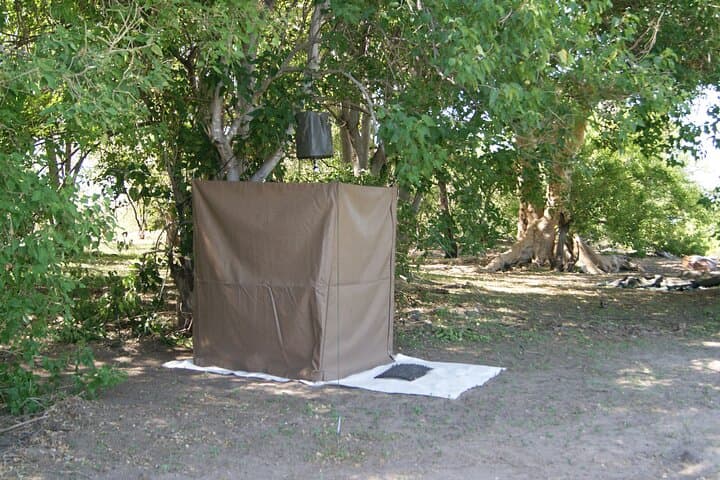
Mobile camping in small tents with basic linen is provided; meals are prepared by a chef and facilities are simple but clean.
Policies vary—children who can safely board a mokoro and follow guide instructions are usually welcome; check minimum age with the operator.
Yes—hippos and elephants are commonly seen near channels, but sightings depend on season and animal movement; guides maximize viewing opportunities.
Mokoro travel originates with BaYei and other delta communities; today many excursions are community-managed, combining traditional skills with tourism revenue.
The Okavango Delta is a UNESCO World Heritage Site; community-run camps and low-impact mokoro travel help protect habitat, so follow leave-no-trace practices and local guidance.
Mosu Safari Tours operates guided outdoor trips and adventures with an emphasis on safety, stewardship, and memorable experiences.
Dawn spills gold across narrow channels as a mokoro slips forward, pushed by the steady rhythm of a poler. Water lilies part like curtains, and the delta’s flat horizon stretches until a distant herd becomes a moving shadow. On this 2-night, 3-day mobile camp, travelers trade roads for waterways, sleeping in small tents beneath a canopy of riverine trees and letting the delta set the day’s pace.
Dawn spills gold across narrow channels as a mokoro slips forward, pushed by the steady rhythm of a poler. Water lilies part like curtains, and the delta’s flat horizon stretches until a distant herd becomes a moving shadow. On this 2-night, 3-day mobile camp, travelers trade roads for waterways, sleeping in small tents beneath a canopy of riverine trees and letting the delta set the day’s pace.
The mokoro is a carved dugout canoe long used by BaYei and other delta communities; community trusts now run many excursions, combining local guiding with simple mobile camping. Geologically the Okavango is a seasonal inland delta fed by rains in the Angolan highlands—floodwaters fan out over Kalahari sands, creating braided channels, islands and an ever-changing mosaic of floodplain and dry ground.
Wildlife concentrates along permanent channels: hippos and elephants come to feed and cool, while reedbeds shelter secretive birds. Cultural notes echo in camp life—the mokoro poler’s skill, community-prepared meals, and local stewardship of routes and campsites.
Practical guidance: arrive via Maun, travel light (only a small overnight bag is taken into the delta while larger luggage is stored), and expect basic mobile tents with small linen. Bring insect repellent and malaria precautions, waterproof footwear for wading board transitions, binoculars for birding, and layered clothing for cool mornings and hot afternoons. Respect wildlife distances, follow your guide’s lead when landing on islands, and plan for early starts—wildlife is most active at first light and late afternoon. This trip is quiet, immersive and best for travelers seeking a hands-on, low-impact safari experience.