THE ADVENTURE COLLECTIVE® · Independent discovery and booking for outdoor travel

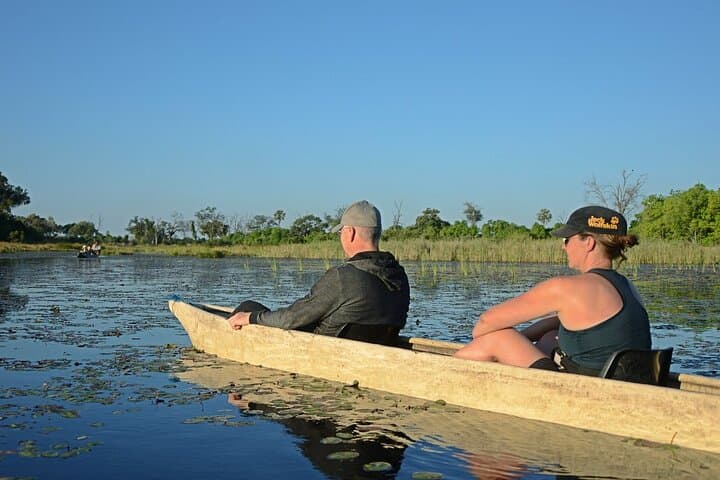
Glide through reed-lined channels in a traditional mokoro, spend one night under delta skies, and return with close wildlife sightings and cultural exchange with local polers. This 1-night, 2-day trip is intimate, low-impact, and ideal for travelers seeking a slow-water safari.
Glide through reed-lined channels in a traditional mokoro, spend one night under delta skies, and return with close wildlife sightings and cultural exchange with local polers. This 1-night, 2-day trip is intimate, low-impact, and ideal for travelers seeking a slow-water safari.
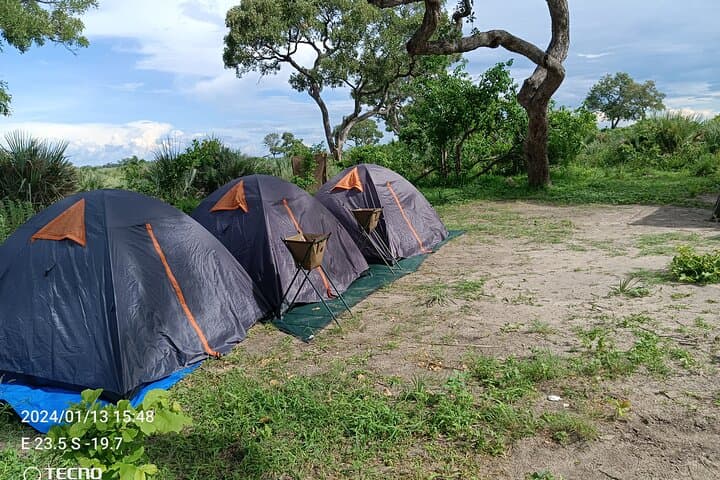
You push off at dusk and the mokoro answers with a soft scrape against papyrus — the canoe moves as if someone has taught the water to hush. Stars open wide above the delta; camp is set beneath a canopy of fever trees and the distant snort of a hippo keeps the night honest.
Verified experiences and guided adventures in the surrounding area.
Operated by Mosu Safari Tours · Maun, North-West District
You push off at dusk and the mokoro answers with a soft scrape against papyrus — the canoe moves as if someone has taught the water to hush. Stars open wide above the delta; camp is set beneath a canopy of fever trees and the distant snort of a hippo keeps the night honest.
The Okavango is an inland delta fed by rains on the Angolan highlands; seasonal floodwaters sculpt channels, islands and lagoons that make mokoro travel uniquely intimate. Mokoro polers belong to local community trusts and carry a history of watercraft knowledge passed down through generations. Geology here is shallow sand over Kalahari sediments, which gives the water a particular clarity and supports dense reedbeds and waterlilies.
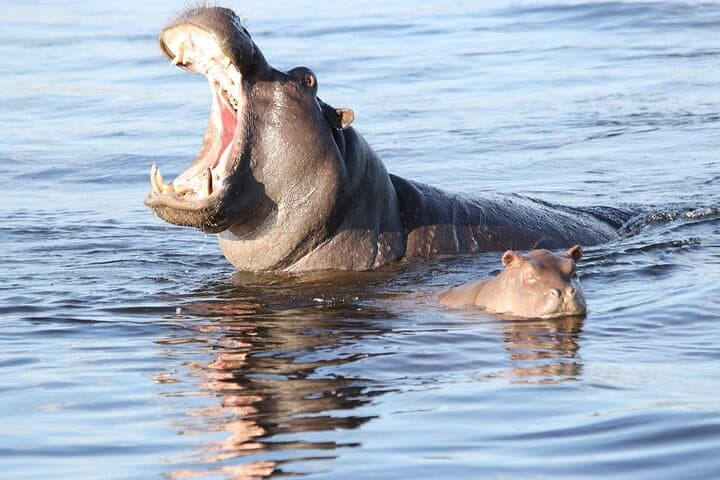
Days are measured in birdsong and blind turns of the channel: elephants wade through reeds, fish eagles patrol, and hippos remind you which parts of the delta are theirs. Evenings around the fire are where cultural exchange happens — polers share songs and stories, and the chef prepares simple, hearty meals.
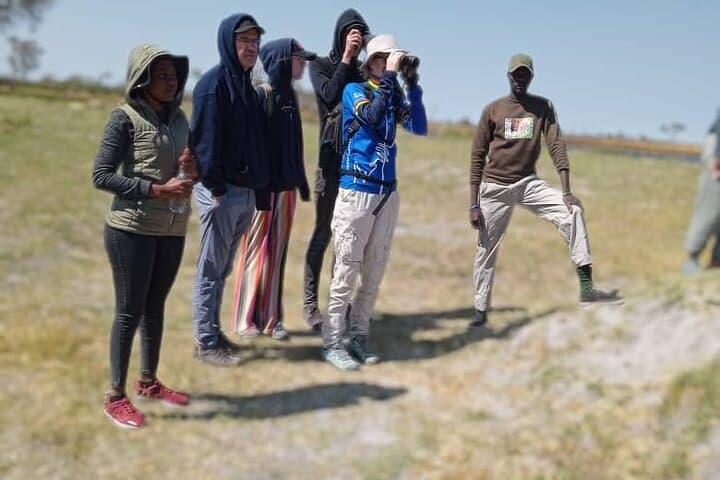
Practical guidance: this overnight is low-impact but remote. Expect gentle poling rather than strenuous paddling; short island walks may include soft sand and uneven termite-mound trails. Pack a headlamp, insect protection, and a light dry bag for electronics. Respect wildlife distances on foot and on water; polers are your guides for safe viewing. Timing matters — early morning and late afternoon are when wildlife is most active and photography is best. Cancellation policies typically require 24 hours’ notice; check transfers to and from Maun in advance.
moderate.
16 hours (overnight).
Suitable for most people in light-to-moderate fitness; requires short walks on sand and basic balance entering/exiting mokoro
No — mokoro polers handle the boat using a pole; guests typically sit and enjoy the ride. Basic balance entering and exiting is helpful.
Overnight camps use basic bush toileting or portable facilities depending on the site; guides will point out privacy areas and protocols.
Yes, the tour is marked suitable for all fitness levels, but parents should consider wildlife proximity and supervise children around water and at night.
Meals are provided (lunch, dinner, breakfast) and prepared by the trip chef; bring a refillable bottle — guides usually provide drinking water or purification methods.
The Okavango Delta formed where sand-filled basins trap seasonal floodwaters; mokoro travel is a traditional practice maintained by local poling communities and trusts.
The delta is a Ramsar-listed wetland; low-impact camping and using community polers supports conservation and local livelihoods while minimizing disturbance.
Mosu Safari Tours operates guided outdoor trips and adventures with an emphasis on safety, stewardship, and memorable experiences.
You push off at dusk and the mokoro answers with a soft scrape against papyrus — the canoe moves as if someone has taught the water to hush. Stars open wide above the delta; camp is set beneath a canopy of fever trees and the distant snort of a hippo keeps the night honest.
You push off at dusk and the mokoro answers with a soft scrape against papyrus — the canoe moves as if someone has taught the water to hush. Stars open wide above the delta; camp is set beneath a canopy of fever trees and the distant snort of a hippo keeps the night honest.
The Okavango is an inland delta fed by rains on the Angolan highlands; seasonal floodwaters sculpt channels, islands and lagoons that make mokoro travel uniquely intimate. Mokoro polers belong to local community trusts and carry a history of watercraft knowledge passed down through generations. Geology here is shallow sand over Kalahari sediments, which gives the water a particular clarity and supports dense reedbeds and waterlilies.
Days are measured in birdsong and blind turns of the channel: elephants wade through reeds, fish eagles patrol, and hippos remind you which parts of the delta are theirs. Evenings around the fire are where cultural exchange happens — polers share songs and stories, and the chef prepares simple, hearty meals.
Practical guidance: this overnight is low-impact but remote. Expect gentle poling rather than strenuous paddling; short island walks may include soft sand and uneven termite-mound trails. Pack a headlamp, insect protection, and a light dry bag for electronics. Respect wildlife distances on foot and on water; polers are your guides for safe viewing. Timing matters — early morning and late afternoon are when wildlife is most active and photography is best. Cancellation policies typically require 24 hours’ notice; check transfers to and from Maun in advance.