THE ADVENTURE COLLECTIVE® · Independent discovery and booking for outdoor travel

Walk the rail-trail from Hydroelectric to Aguas Calientes and wake early for a guided tour of Machu Picchu. This budget-friendly 2-day itinerary blends a riverside hike with bus access to the citadel and an overnight in town.
Walk the rail-trail from Hydroelectric to Aguas Calientes and wake early for a guided tour of Machu Picchu. This budget-friendly 2-day itinerary blends a riverside hike with bus access to the citadel and an overnight in town.
You step off the van at Hydroelectric and the jungle opens like a living corridor — the train tracks run ahead, the Vilcanota River daring you with a steady, urgent current, and a narrow dirt path threads through waist-high ferns. The walk to Aguas Calientes is honest: three hours of river-side footing, occasional stone steps and brief climbs that put your lungs on notice in this high jungle.
Verified experiences and guided adventures in the surrounding area.
Operated by PVTravels · Aguas Calientes, Cusco
You step off the van at Hydroelectric and the jungle opens like a living corridor — the train tracks run ahead, the Vilcanota River daring you with a steady, urgent current, and a narrow dirt path threads through waist-high ferns. The walk to Aguas Calientes is honest: three hours of river-side footing, occasional stone steps and brief climbs that put your lungs on notice in this high jungle.
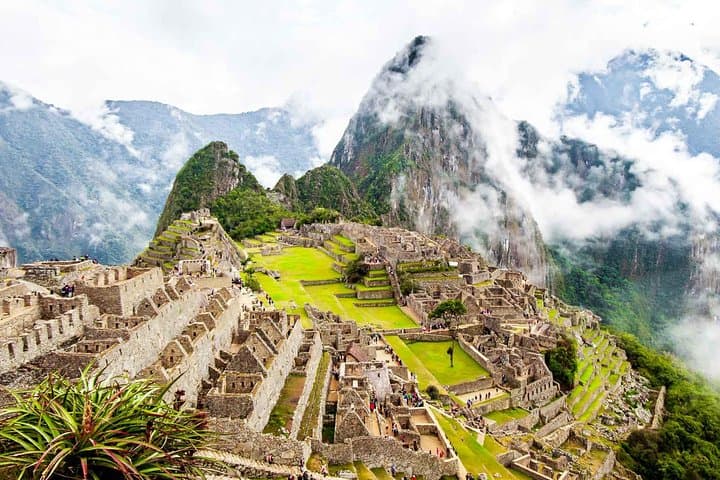
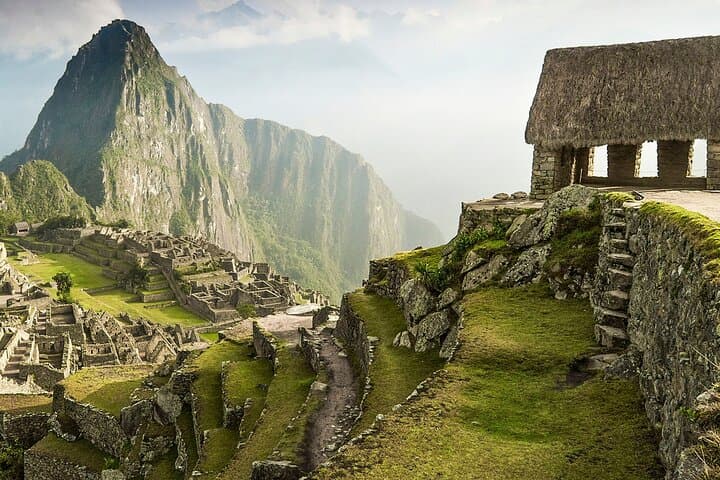
Machu Picchu sits on a steep spur carved by glacial and fluvial forces where Andean rock meets cloud forest. The site’s stonework dates to the 15th-century Inca state and was brought to global attention in 1911; the surrounding slopes host orchids, hummingbirds and cloud-layer microclimates shaped by rapid elevation shifts.
Culture here is a mix of Quechua heritage and tourism economy — Aguas Calientes’ markets and thermal pools cater to trekkers while local guides decode terraces, niches and Inca waterworks. The archaeological zone enforces strict entry windows and route control to protect fragile masonry and endemic species.
Practical guide: expect an early start from Cusco, a 6–7 hour bus/van drive to Hydroelectric, then a roughly 3-hour walk into Aguas Calientes. The next morning begins before dawn: a 25-minute bus ride up to the citadel followed by a 2-hour guided circuit. Moderate fitness is required; trails are uneven and can be slippery in rain. Bring your passport (required for admission), layered clothing for rapid temperature swings, sturdy footwear, rain protection, and cash for small purchases in the town. Plan for limited cell service and respect trail signs — staying on designated routes keeps both you and the ruins safe.
moderate.
2 days.
Suitable for travelers with moderate fitness who regularly walk 3–5 miles on uneven terrain; be comfortable with sustained uphill segments and carrying a daypack.
Yes—original passport is required at the entrance and should match the name on your ticket.
The trail is moderate: about three hours with uneven footing and some short climbs; moderate fitness and sure-footedness are recommended.
This tour includes Machu Picchu entrance and bus tickets between Aguas Calientes and the archaeological site as stated in the inclusions.
Large backpacks are not permitted at the archaeological site; follow the operator's guidance—daypacks are usually allowed but must meet size rules.
Machu Picchu was built in the 15th century by the Inca and reintroduced to wider study after 1911; terraces and water channels reflect advanced engineering to manage steep slopes.
Visitor numbers and route controls limit wear on the site; stick to marked paths, avoid littering and follow your guide to help protect archaeological fabric and local ecosystems.
PVTravels operates guided outdoor trips and adventures with an emphasis on safety, stewardship, and memorable experiences.
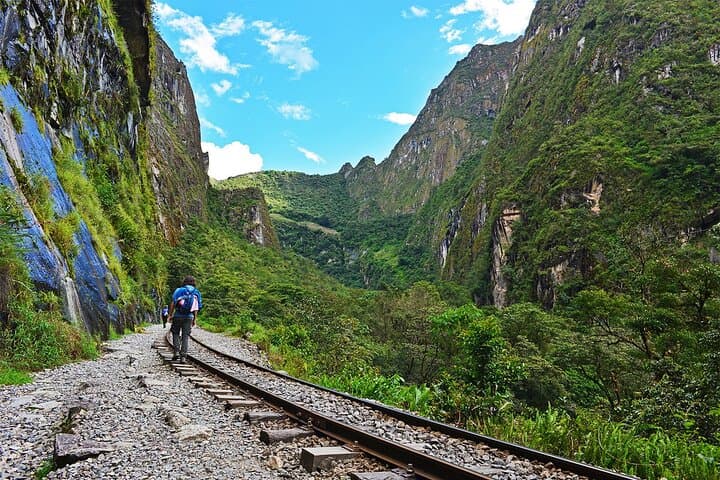
You step off the van at Hydroelectric and the jungle opens like a living corridor — the train tracks run ahead, the Vilcanota River daring you with a steady, urgent current, and a narrow dirt path threads through waist-high ferns. The walk to Aguas Calientes is honest: three hours of river-side footing, occasional stone steps and brief climbs that put your lungs on notice in this high jungle.
You step off the van at Hydroelectric and the jungle opens like a living corridor — the train tracks run ahead, the Vilcanota River daring you with a steady, urgent current, and a narrow dirt path threads through waist-high ferns. The walk to Aguas Calientes is honest: three hours of river-side footing, occasional stone steps and brief climbs that put your lungs on notice in this high jungle.
Machu Picchu sits on a steep spur carved by glacial and fluvial forces where Andean rock meets cloud forest. The site’s stonework dates to the 15th-century Inca state and was brought to global attention in 1911; the surrounding slopes host orchids, hummingbirds and cloud-layer microclimates shaped by rapid elevation shifts.
Culture here is a mix of Quechua heritage and tourism economy — Aguas Calientes’ markets and thermal pools cater to trekkers while local guides decode terraces, niches and Inca waterworks. The archaeological zone enforces strict entry windows and route control to protect fragile masonry and endemic species.
Practical guide: expect an early start from Cusco, a 6–7 hour bus/van drive to Hydroelectric, then a roughly 3-hour walk into Aguas Calientes. The next morning begins before dawn: a 25-minute bus ride up to the citadel followed by a 2-hour guided circuit. Moderate fitness is required; trails are uneven and can be slippery in rain. Bring your passport (required for admission), layered clothing for rapid temperature swings, sturdy footwear, rain protection, and cash for small purchases in the town. Plan for limited cell service and respect trail signs — staying on designated routes keeps both you and the ruins safe.