THE ADVENTURE COLLECTIVE® · Independent discovery and booking for outdoor travel

Two days of concentrated Egyptology: Karnak, Luxor Temple, Valley of the Kings and Hatshepsut with private transfers from Safaga. This overnight tour balances guided context with personal exploration and comfortable 5-star lodging.
Two days of concentrated Egyptology: Karnak, Luxor Temple, Valley of the Kings and Hatshepsut with private transfers from Safaga. This overnight tour balances guided context with personal exploration and comfortable 5-star lodging.
The air off the Red Sea gives way to the Nile’s heat as a private van winds north and the silhouette of Luxor rises from the horizon. On arrival the city hums with layered time—workers unloading feluccas, the whisper of hieroglyphs in temple courtyards, and the slow patience of the river that carved the valley.
Verified experiences and guided adventures in the surrounding area.
Operated by CRUISE ERA · Luxor, Luxor Governorate
The air off the Red Sea gives way to the Nile’s heat as a private van winds north and the silhouette of Luxor rises from the horizon. On arrival the city hums with layered time—workers unloading feluccas, the whisper of hieroglyphs in temple courtyards, and the slow patience of the river that carved the valley.
On day one the itinerary moves through Karnak’s avenue of columns and the hush of Luxor Temple as afternoon light slants across sandstone reliefs. The guide places names and dates next to scenes of conquest and devotion; the stone feels alive, keeping stories rather than dust. Geologically, the valley is a narrow ribbon of alluvial plain hemmed by limestone cliffs that host royal tombs. Culturally, this region was both cradle and theatre for pharaonic power—temples aligned with ritual roads and seasonal floods.
Day two trades temple courts for the West Bank: the tombs of the Valley of the Kings, Hatshepsut’s terraced mortuary, and the twin Colossi of Memnon. Expect tight passageways, low-lit chambers, and vivid painted plaster that demands respectful distance.
Practically, the tour is low-impact but active—walking on stone, climbing steps, and short drives between sites. Bring sun protection, comfortable shoes, and a small daypack; plan for early starts to avoid midday heat. Photography rules and site conservation measures vary, so follow your guide’s instructions. The rhythm of this overnight—transfer, guided exploration, a night in a 5-star hotel, then more archaeology—lets travelers experience Luxor’s essentials without a rushed itinerary.
easy.
2 days.
Suitable for most fitness levels; participants should be able to walk on uneven ground and climb short flights of stairs.
Yes—round-trip private, air-conditioned transportation from Safaga Port is included in the tour.
Entry fees and lunches on both days are included, and the package covers one night in a 5-star hotel with breakfast.
The tour lists wheelchair-accessible options, but some tombs and temple areas have steps and uneven surfaces; check specific needs when booking.
Full refund available if you cancel at least 24 hours before departure; cancellations within 24 hours are non-refundable.
Luxor sits on the site of ancient Thebes, once Egypt’s political and religious capital; its temples and tombs span millennia of pharaonic rule.
Tourism pressure requires careful visitor behavior—avoid touching reliefs, use designated paths, and follow guide instructions to protect fragile painted tomb interiors.
CRUISE ERA operates guided outdoor trips and adventures with an emphasis on safety, stewardship, and memorable experiences.
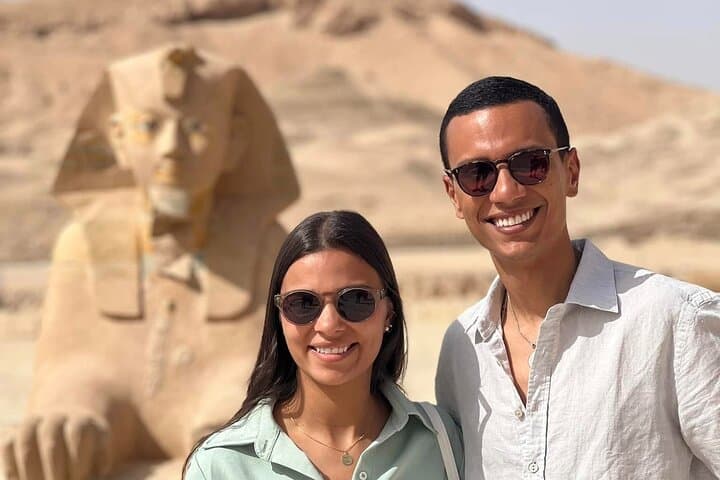
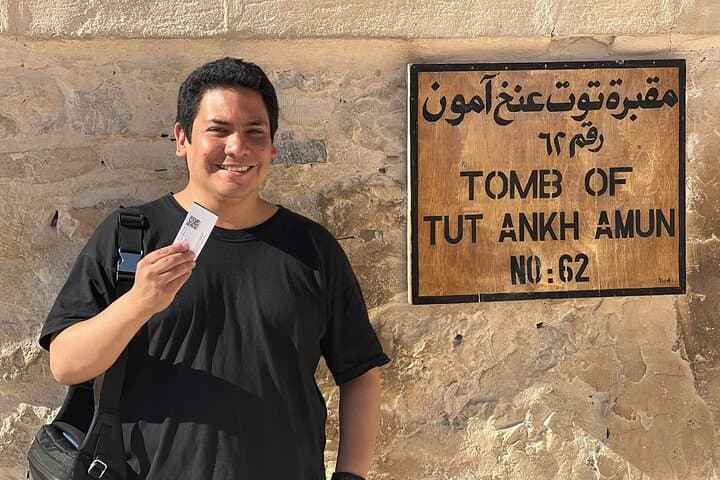
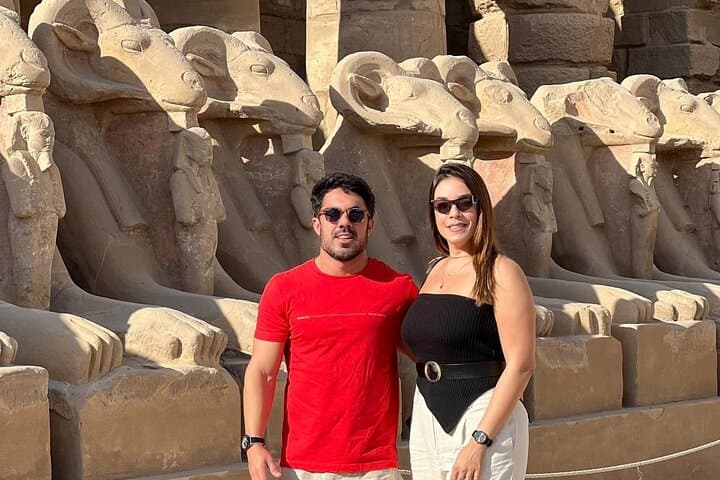
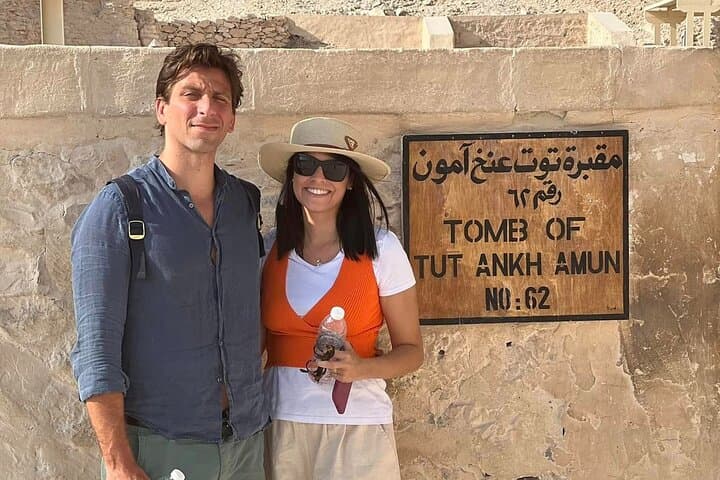
The air off the Red Sea gives way to the Nile’s heat as a private van winds north and the silhouette of Luxor rises from the horizon. On arrival the city hums with layered time—workers unloading feluccas, the whisper of hieroglyphs in temple courtyards, and the slow patience of the river that carved the valley.
The air off the Red Sea gives way to the Nile’s heat as a private van winds north and the silhouette of Luxor rises from the horizon. On arrival the city hums with layered time—workers unloading feluccas, the whisper of hieroglyphs in temple courtyards, and the slow patience of the river that carved the valley.
On day one the itinerary moves through Karnak’s avenue of columns and the hush of Luxor Temple as afternoon light slants across sandstone reliefs. The guide places names and dates next to scenes of conquest and devotion; the stone feels alive, keeping stories rather than dust. Geologically, the valley is a narrow ribbon of alluvial plain hemmed by limestone cliffs that host royal tombs. Culturally, this region was both cradle and theatre for pharaonic power—temples aligned with ritual roads and seasonal floods.
Day two trades temple courts for the West Bank: the tombs of the Valley of the Kings, Hatshepsut’s terraced mortuary, and the twin Colossi of Memnon. Expect tight passageways, low-lit chambers, and vivid painted plaster that demands respectful distance.
Practically, the tour is low-impact but active—walking on stone, climbing steps, and short drives between sites. Bring sun protection, comfortable shoes, and a small daypack; plan for early starts to avoid midday heat. Photography rules and site conservation measures vary, so follow your guide’s instructions. The rhythm of this overnight—transfer, guided exploration, a night in a 5-star hotel, then more archaeology—lets travelers experience Luxor’s essentials without a rushed itinerary.