THE ADVENTURE COLLECTIVE® · Independent discovery and booking for outdoor travel

Fly to Luxor for a tightly paced overnight that covers Karnak and Luxor Temples, a felucca lunch on the Nile, then the Valley of the Kings, Hatshepsut’s temple and the Colossi of Memnon. Ideal for travelers short on time who want the must-see ancient sites with an Egyptologist guide.
Fly to Luxor for a tightly paced overnight that covers Karnak and Luxor Temples, a felucca lunch on the Nile, then the Valley of the Kings, Hatshepsut’s temple and the Colossi of Memnon. Ideal for travelers short on time who want the must-see ancient sites with an Egyptologist guide.
You arrive in Luxor before the city has fully woken: the Nile gleams like a slow-moving mirror and the palms along its banks lean as if pointing the way. A felucca slips past, its late-morning sail catching a breeze that seems to dare you forward, while city dust and temple stone trade heat for shadow.
Verified experiences and guided adventures in the surrounding area.
Operated by Special trips · Luxor, Luxor Governorate
You arrive in Luxor before the city has fully woken: the Nile gleams like a slow-moving mirror and the palms along its banks lean as if pointing the way. A felucca slips past, its late-morning sail catching a breeze that seems to dare you forward, while city dust and temple stone trade heat for shadow.
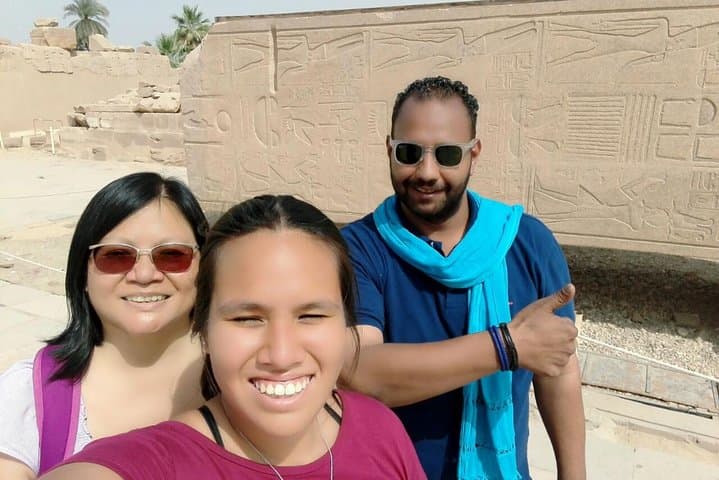
This compact overnight itinerary stitches together two halves of ancient Thebes. On the East Bank, Karnak’s avenue of columns—built over many dynasties—announces itself in a forest of sandstone pillars dedicated primarily to Amun-Re; nearby, Luxor Temple layers Pharaonic, Coptic and Islamic periods in stone. Cross the river and the West Bank opens to funerary landscapes: the Valley of the Kings’ painted tomb passages cut into limestone and shale, Queen Hatshepsut’s terraced mortuary at Deir el-Bahari, and the brooding Colossi of Memnon carved from quartzite.
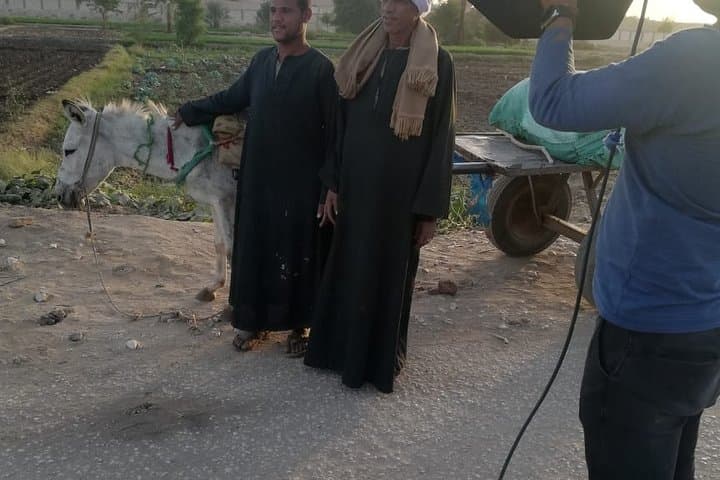
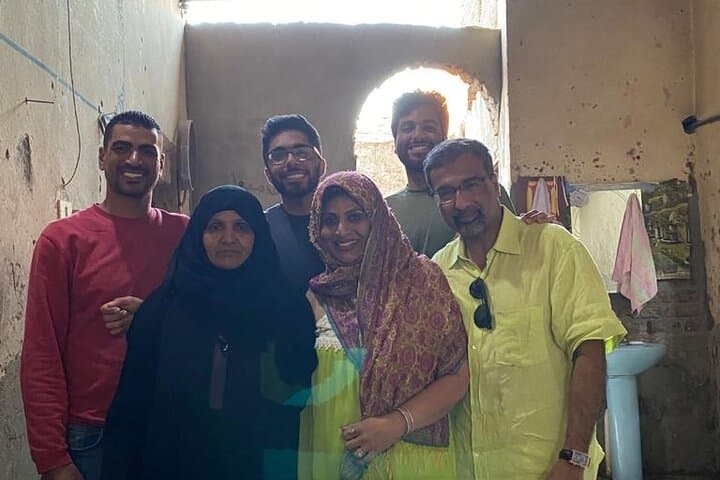
Geology here matters: soft Nile silt and harder desert rock shaped where tombs could be carved and where temples rose. Culture is immediate—sharing tea in a local home, riding a camel across the sands, and the slow rhythm of life on the Nile.
Practical guide: flights to/from Cairo are included, expect early pickups and a lot of walking on uneven surfaces and stone steps. Temperatures vary widely; bring sun protection and layers for cooler evenings. Keep passports and printed tickets handy for tomb entry, and carry cash for tips and small purchases. Respect photo rules inside tombs and allow time for security checks; pacing your visits early in the day avoids crowds and the mid-afternoon heat.
easy.
24–48 hours.
Suitable for most travelers with the ability to walk moderate distances and negotiate stairs and uneven ground; not strenuous but requires mobility.
Yes—round-trip flights Cairo–Luxor–Cairo and one night at a Nile-view hotel (breakfast included) are part of this package.
The itinerary includes visits to the Valley of the Kings; specific tomb access can vary due to rotating conservation closures and additional site fees, so check with your guide on the day.
The tour is family friendly and listed as wheelchair accessible, but some tombs and temple areas require steps or uneven surfaces—notify the operator in advance for tailored support.
Tipping (guides, drivers, hotel staff and local hosts) is customary; carry small denominations of Egyptian pounds to tip directly.
Luxor sits on the site of ancient Thebes, once Egypt’s political and religious capital; many temples were built and rebuilt from the Middle Kingdom through the New Kingdom.
Tomb conservation restricts access to reduce humidity and wear; visitors can help by not touching painted surfaces and by minimizing flash photography.
Special trips operates guided outdoor trips and adventures with an emphasis on safety, stewardship, and memorable experiences.
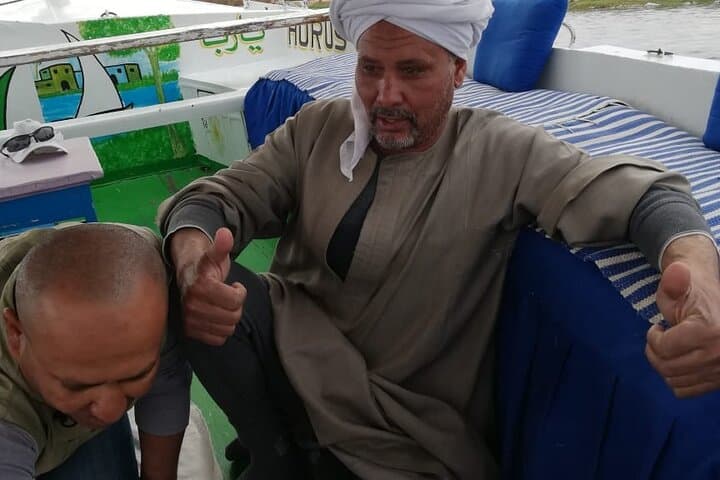
You arrive in Luxor before the city has fully woken: the Nile gleams like a slow-moving mirror and the palms along its banks lean as if pointing the way. A felucca slips past, its late-morning sail catching a breeze that seems to dare you forward, while city dust and temple stone trade heat for shadow.
You arrive in Luxor before the city has fully woken: the Nile gleams like a slow-moving mirror and the palms along its banks lean as if pointing the way. A felucca slips past, its late-morning sail catching a breeze that seems to dare you forward, while city dust and temple stone trade heat for shadow.
This compact overnight itinerary stitches together two halves of ancient Thebes. On the East Bank, Karnak’s avenue of columns—built over many dynasties—announces itself in a forest of sandstone pillars dedicated primarily to Amun-Re; nearby, Luxor Temple layers Pharaonic, Coptic and Islamic periods in stone. Cross the river and the West Bank opens to funerary landscapes: the Valley of the Kings’ painted tomb passages cut into limestone and shale, Queen Hatshepsut’s terraced mortuary at Deir el-Bahari, and the brooding Colossi of Memnon carved from quartzite.
Geology here matters: soft Nile silt and harder desert rock shaped where tombs could be carved and where temples rose. Culture is immediate—sharing tea in a local home, riding a camel across the sands, and the slow rhythm of life on the Nile.
Practical guide: flights to/from Cairo are included, expect early pickups and a lot of walking on uneven surfaces and stone steps. Temperatures vary widely; bring sun protection and layers for cooler evenings. Keep passports and printed tickets handy for tomb entry, and carry cash for tips and small purchases. Respect photo rules inside tombs and allow time for security checks; pacing your visits early in the day avoids crowds and the mid-afternoon heat.