THE ADVENTURE COLLECTIVE® · Independent discovery and booking for outdoor travel

A compact two-day tour that flies you from Cairo to Luxor for intensive visits to Karnak, Luxor Temple, the Valley of the Kings and lesser-known West Bank sites. Ideal for travelers who want concentrated pharaonic highlights with one overnight in Luxor.
A compact two-day tour that flies you from Cairo to Luxor for intensive visits to Karnak, Luxor Temple, the Valley of the Kings and lesser-known West Bank sites. Ideal for travelers who want concentrated pharaonic highlights with one overnight in Luxor.
The plane descends over a ribbon of the Nile and the West Bank unfolds like a living archive — mud-brick villages giving way to hills cut with tombs. On this overnight itinerary travelers swap Cairo�s bustle for the layered silence of Karnak pylons, the hollowed chambers of the Valley of the Kings and the linear calm of Luxor Temple at dusk.
Verified experiences and guided adventures in the surrounding area.
Operated by Book My Egypt Tours · Luxor, Luxor Governorate
The plane descends over a ribbon of the Nile and the West Bank unfolds like a living archive — mud-brick villages giving way to hills cut with tombs. On this overnight itinerary travelers swap Cairo�s bustle for the layered silence of Karnak pylons, the hollowed chambers of the Valley of the Kings and the linear calm of Luxor Temple at dusk.
Luxor sits where the ancient city of Thebes once ruled Upper Egypt; the surrounding limestone and sandstone scarps preserve tombs carved in the New Kingdom (ca. 1550–1070 BCE). Visitors move between the Nile's two faces: the East Bank's ritual complexes dedicated to Amun-Re, and the West Bank's funerary landscape where mortuary temples and workmen's villages reveal daily life behind royal burials.
Culturally the region still hums with traditional craft — brass workers, date sellers and guides who trace pharaonic names to temple walls — while geology explains the placement of tombs in softer rock layers on the hill slopes.
Practical guidance: expect early pickups for the flight from Cairo, full days on foot over uneven ancient stone, and indoor sites with narrow corridors and steps. Carry sunscreen and water, wear sturdy closed shoes for stepped tombs, and budget time for ticket lines and photography rules in protected areas. Plan to move at a steady but patient pace: the monuments reward lingering observation, but heat and crowds reward smart timing and local guidance.
moderate.
2 days (approx. 48 hours including travel).
Should be able to handle several hours of walking on uneven stone, short climbs and standing during guided explanations.
Domestic flights are about 1 hour each way; schedule includes early morning outbound and late-night return on day two.
Many tombs have narrow, stepped passages and low ceilings; accessibility is limited—consult the operator for site-specific options.
Some entry fees are included depending on the tour options; the provider notes that entrance fees may vary by chosen itinerary.
Tipping local guides, drivers and support staff is customary; budget modest gratuities in local currency.
Luxor occupies ancient Thebes, the political and religious heart of New Kingdom Egypt; many temples here were active centers of cult and administration for millennia.
High visitor numbers stress fragile pigments and carved stone; stick to marked paths, avoid touching painted surfaces and support licensed local guides who work with conservation programs.
Book My Egypt Tours operates guided outdoor trips and adventures with an emphasis on safety, stewardship, and memorable experiences.
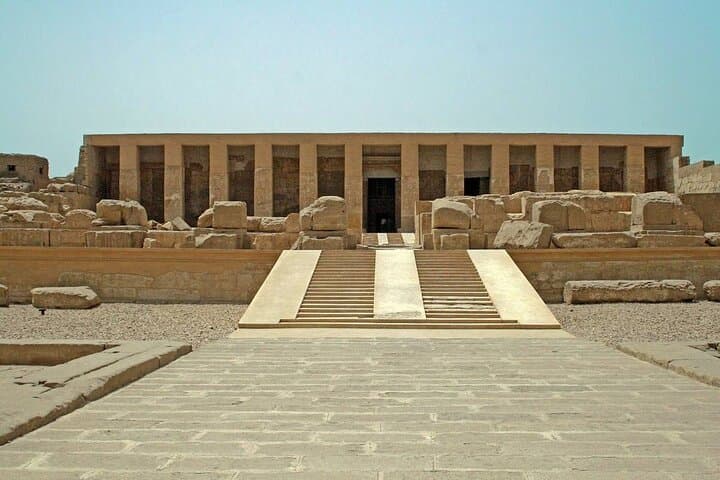
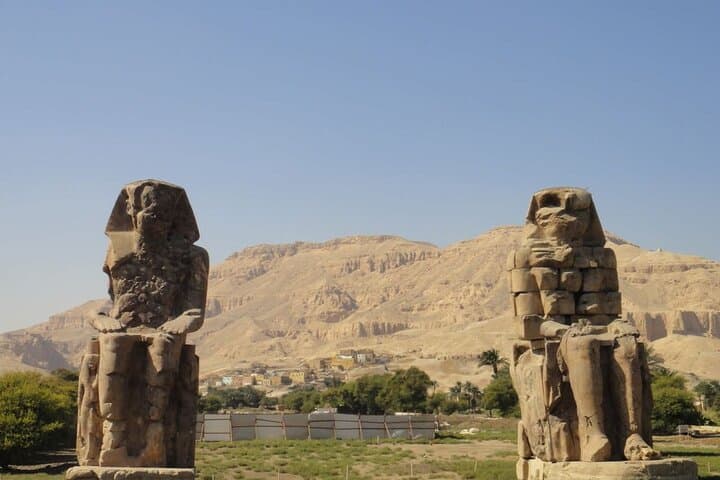
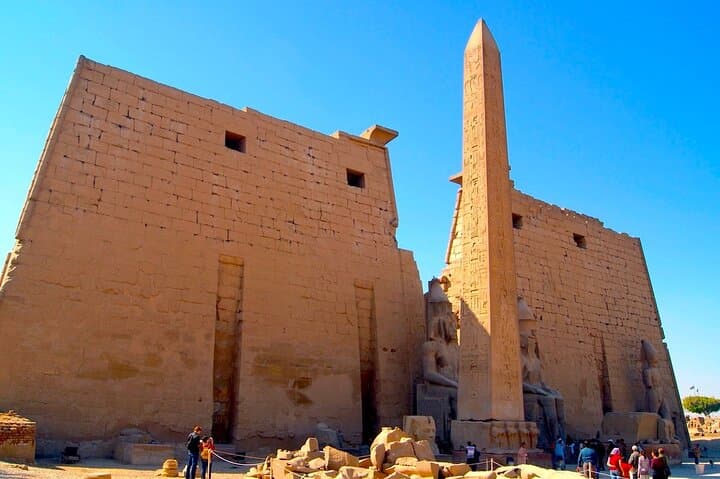
The plane descends over a ribbon of the Nile and the West Bank unfolds like a living archive — mud-brick villages giving way to hills cut with tombs. On this overnight itinerary travelers swap Cairo�s bustle for the layered silence of Karnak pylons, the hollowed chambers of the Valley of the Kings and the linear calm of Luxor Temple at dusk.
The plane descends over a ribbon of the Nile and the West Bank unfolds like a living archive — mud-brick villages giving way to hills cut with tombs. On this overnight itinerary travelers swap Cairo�s bustle for the layered silence of Karnak pylons, the hollowed chambers of the Valley of the Kings and the linear calm of Luxor Temple at dusk.
Luxor sits where the ancient city of Thebes once ruled Upper Egypt; the surrounding limestone and sandstone scarps preserve tombs carved in the New Kingdom (ca. 1550–1070 BCE). Visitors move between the Nile's two faces: the East Bank's ritual complexes dedicated to Amun-Re, and the West Bank's funerary landscape where mortuary temples and workmen's villages reveal daily life behind royal burials.
Culturally the region still hums with traditional craft — brass workers, date sellers and guides who trace pharaonic names to temple walls — while geology explains the placement of tombs in softer rock layers on the hill slopes.
Practical guidance: expect early pickups for the flight from Cairo, full days on foot over uneven ancient stone, and indoor sites with narrow corridors and steps. Carry sunscreen and water, wear sturdy closed shoes for stepped tombs, and budget time for ticket lines and photography rules in protected areas. Plan to move at a steady but patient pace: the monuments reward lingering observation, but heat and crowds reward smart timing and local guidance.