THE ADVENTURE COLLECTIVE® · Independent discovery and booking for outdoor travel

Spend two days and one night on predator-free Kapiti Island: guided day walks, a night wildlife walk, and the chance to hear kiwi calling. Practical logistics, conservation rules and seasonal closures make this a unique, low-impact overnight in New Zealand’s oldest sanctuary.
Spend two days and one night on predator-free Kapiti Island: guided day walks, a night wildlife walk, and the chance to hear kiwi calling. Practical logistics, conservation rules and seasonal closures make this a unique, low-impact overnight in New Zealand’s oldest sanctuary.
Step off the ferry at Rangatira and the island takes a breath for you — pōhutukawa branches shade a gravel path, gulls wheel above the reef, and a guide’s voice folds human stories into the forest.
Verified experiences and guided adventures in the surrounding area.
Operated by Kapiti Island Nature Tours · Paraparaumu, Wellington Region
Step off the ferry at Rangatira and the island takes a breath for you — pōhutukawa branches shade a gravel path, gulls wheel above the reef, and a guide’s voice folds human stories into the forest.
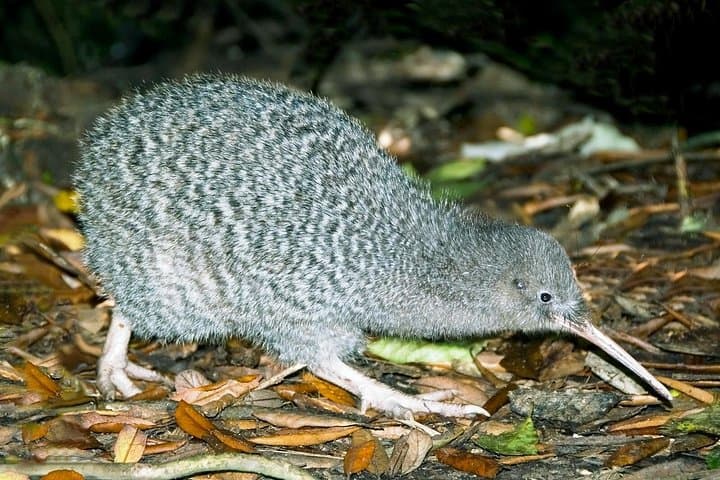
Kapiti Island is one of New Zealand’s oldest conservation sanctuaries, protected from mammalian predators since intensive eradication work in the 1980s and 1990s. Geologically it’s a remnant of uplifted seabed and steep coastal bluffs carved by Pacific swells; culturally it bears Māori settlement sites and seasonal use that predate European arrival. The island’s canopy feels alive: kaka chatter, ruru call, and at night the ground-level rustle may be a kiwi foraging.
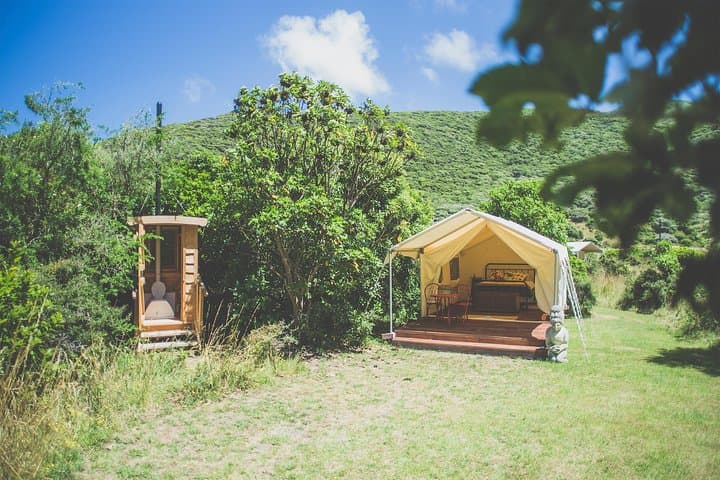
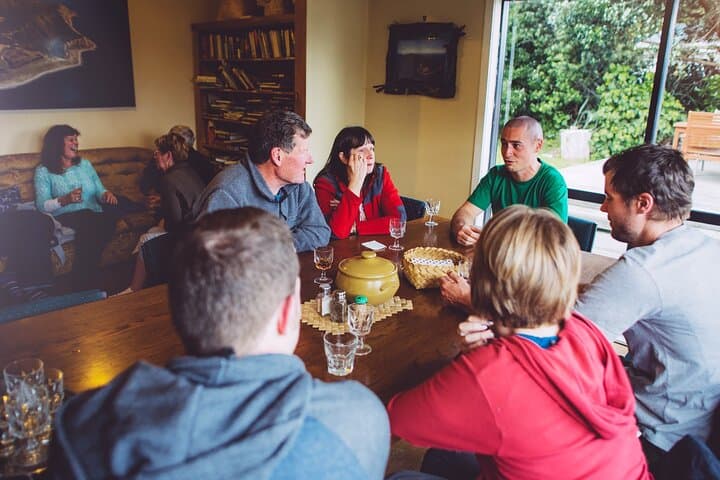
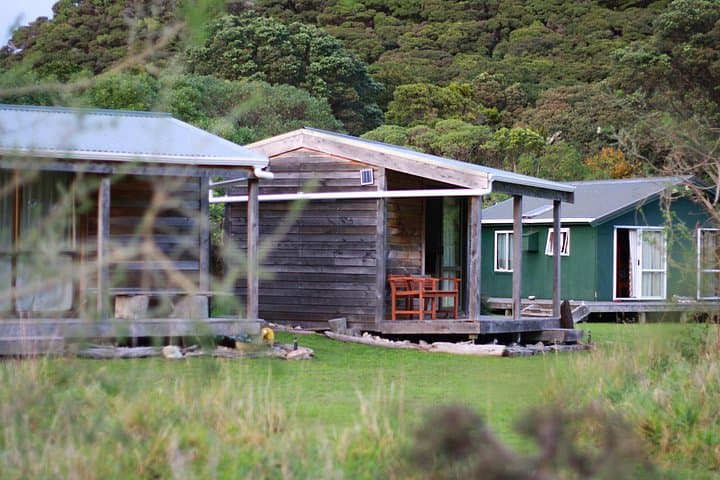
This overnight package gives two full days on the island — guided walks from Rangatira, an option to climb Tuteremoana, and coastal or hill tracks around Waiorua. Evening brings a guided night walk to hear and possibly glimpse nocturnal species, followed by a lodge meal and communal sleep options ranging from cabin bunks to tents.
Practical edge: the coastal track is closed during seabird nesting (1 Oct–31 Mar); ferry departs from Paraparaumu Beach; guides provide conservation context and DOC permits are included. Be ready for variable weather, uneven forest and coastal terrain, and carry layered clothing, a headlamp and good footwear. Respect nesting zones and quiet hours at night — this is active habitat, and the island’s recovery depends on low-impact visits. With a moderate level of fitness you’ll trade city noise for bird song and the rare chance to sleep within a predator-free sanctuary.
moderate.
2 days (48 hours).
Suitable for travelers with a moderate fitness level able to walk several hours on uneven terrain and climb short steep sections.
Departures run from Paraparaumu Beach by return ferry included in the trip; confirm check-in time the morning of travel (guides ask you call between 7:00–7:15am).
Kiwi sightings aren’t guaranteed, but the island is one of the best places to hear and occasionally see them during guided nocturnal surveys.
Options typically include shared cabins, tents or ensuite cabins—meals, beds and basic amenities are included depending on your chosen option.
Families are welcome but should have children with moderate fitness and be prepared for night walks and restful night-time behavior to protect wildlife.
Kapiti has been occupied by Māori for centuries and later became a focus of conservation work after predators were eradicated to protect native fauna.
Visitor numbers and track closures are managed to protect nesting seabirds and fragile forest understorey; follow DOC guidelines and pack out what you pack in.
Kapiti Island Nature Tours operates guided outdoor trips and adventures with an emphasis on safety, stewardship, and memorable experiences.
Step off the ferry at Rangatira and the island takes a breath for you — pōhutukawa branches shade a gravel path, gulls wheel above the reef, and a guide’s voice folds human stories into the forest.
Step off the ferry at Rangatira and the island takes a breath for you — pōhutukawa branches shade a gravel path, gulls wheel above the reef, and a guide’s voice folds human stories into the forest.
Kapiti Island is one of New Zealand’s oldest conservation sanctuaries, protected from mammalian predators since intensive eradication work in the 1980s and 1990s. Geologically it’s a remnant of uplifted seabed and steep coastal bluffs carved by Pacific swells; culturally it bears Māori settlement sites and seasonal use that predate European arrival. The island’s canopy feels alive: kaka chatter, ruru call, and at night the ground-level rustle may be a kiwi foraging.
This overnight package gives two full days on the island — guided walks from Rangatira, an option to climb Tuteremoana, and coastal or hill tracks around Waiorua. Evening brings a guided night walk to hear and possibly glimpse nocturnal species, followed by a lodge meal and communal sleep options ranging from cabin bunks to tents.
Practical edge: the coastal track is closed during seabird nesting (1 Oct–31 Mar); ferry departs from Paraparaumu Beach; guides provide conservation context and DOC permits are included. Be ready for variable weather, uneven forest and coastal terrain, and carry layered clothing, a headlamp and good footwear. Respect nesting zones and quiet hours at night — this is active habitat, and the island’s recovery depends on low-impact visits. With a moderate level of fitness you’ll trade city noise for bird song and the rare chance to sleep within a predator-free sanctuary.