THE ADVENTURE COLLECTIVE® · Independent discovery and booking for outdoor travel

Spend a night inside Jim Corbett National Park in a Forest Rest House, with guided dawn and dusk jeep safaris focused on tiger tracking, wildlife interpretation, and on-site meals. This one-day immersion pairs fieldcraft with simple comforts for a deeper wildlife encounter.
Spend a night inside Jim Corbett National Park in a Forest Rest House, with guided dawn and dusk jeep safaris focused on tiger tracking, wildlife interpretation, and on-site meals. This one-day immersion pairs fieldcraft with simple comforts for a deeper wildlife encounter.
You arrive at dusk, the open gypsy idling beside a low stone Forest Rest House while the sal forest exhales a humid, leaf-scented breath. Night here has a weight—alarm calls from birds and the distant hoot of a barred owl punctuate staff voices as guides load cameras and binoculars. Dawn will pull the jungle into sharp relief; until then the rest house is a low-lit basecamp for listening.
Verified experiences and guided adventures in the surrounding area.
Operated by Jim Corbett Experience- Feel The Wild · Ramnagar, Uttarakhand
You arrive at dusk, the open gypsy idling beside a low stone Forest Rest House while the sal forest exhales a humid, leaf-scented breath. Night here has a weight—alarm calls from birds and the distant hoot of a barred owl punctuate staff voices as guides load cameras and binoculars. Dawn will pull the jungle into sharp relief; until then the rest house is a low-lit basecamp for listening.
Jim Corbett National Park was created in 1936 as India’s first national park and sits at the edge of the Siwalik foothills and the Terai plains. The terrain alternates between riverine grasslands, sal-dominated forest, and rocky ridgelines carved by seasonal streams—ideal habitat for the Royal Bengal tiger, sambar, and elephant. Local Kumaoni villages have long-standing ties to the forest; guides often weave natural history with stories of Jim Corbett’s conservation work over shared meals.
Expect guided jeep safaris into core zones at dawn and dusk, focused tracking of tiger sign, and structured wildlife interpretation by experienced guides. The Forest Rest House offers basic, on-site meals prepared by staff and a rare chance to stay inside a managed forest enclave—quiet, electricity-limited, and regulated for minimum impact.
Practical notes: book safari permits and a certified guide in advance, prioritize early-morning drives for sightings, and bring quiet cameras and optics. Dress in muted colors, prepare for mosquitoes at night, and carry water and a headlamp—comfort and patience are your best tools for encountering Corbett’s wildlife.
moderate.
24 hours (overnight).
Suitable for most fitness levels; involves short walks and extended periods sitting in open jeeps.
No—sightings are never guaranteed. Guides use knowledge of sign, patrols, and recent reports to maximize chances, but wildlife is unpredictable.
Expect basic, government-managed accommodation with meals provided by forest staff; utilities are limited but the location offers unmatched proximity to wildlife.
Yes—entry permits and zone-specific jeep/vehicle permits are required and usually arranged by the operator; book them in advance during peak season.
Dawn and dusk are the most active periods; safaris scheduled in those windows give the highest probability of large-mammal sightings.
Established in 1936 as Hailey National Park and renamed for conservationist Jim Corbett, the park is India’s first national park and a foundational site in the country’s wildlife protection movement.
Park management enforces vehicle limits, designated zones, and anti-poaching patrols; staying in Forest Rest Houses and following guide rules helps minimize visitor impact.
Jim Corbett Experience- Feel The Wild operates guided outdoor trips and adventures with an emphasis on safety, stewardship, and memorable experiences.


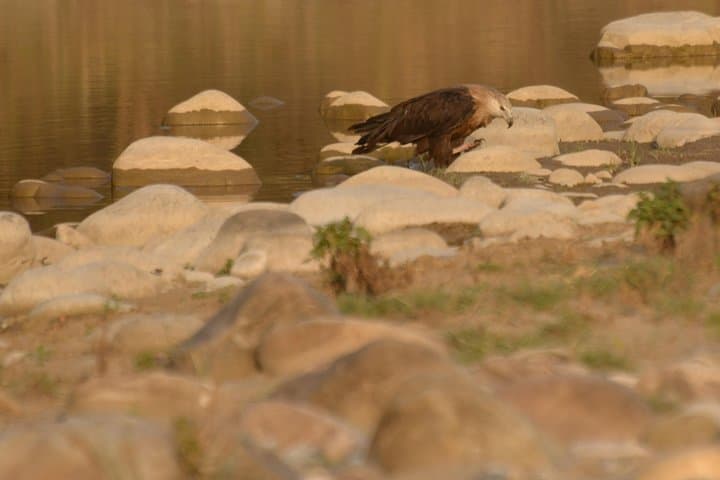
You arrive at dusk, the open gypsy idling beside a low stone Forest Rest House while the sal forest exhales a humid, leaf-scented breath. Night here has a weight—alarm calls from birds and the distant hoot of a barred owl punctuate staff voices as guides load cameras and binoculars. Dawn will pull the jungle into sharp relief; until then the rest house is a low-lit basecamp for listening.
You arrive at dusk, the open gypsy idling beside a low stone Forest Rest House while the sal forest exhales a humid, leaf-scented breath. Night here has a weight—alarm calls from birds and the distant hoot of a barred owl punctuate staff voices as guides load cameras and binoculars. Dawn will pull the jungle into sharp relief; until then the rest house is a low-lit basecamp for listening.
Jim Corbett National Park was created in 1936 as India’s first national park and sits at the edge of the Siwalik foothills and the Terai plains. The terrain alternates between riverine grasslands, sal-dominated forest, and rocky ridgelines carved by seasonal streams—ideal habitat for the Royal Bengal tiger, sambar, and elephant. Local Kumaoni villages have long-standing ties to the forest; guides often weave natural history with stories of Jim Corbett’s conservation work over shared meals.
Expect guided jeep safaris into core zones at dawn and dusk, focused tracking of tiger sign, and structured wildlife interpretation by experienced guides. The Forest Rest House offers basic, on-site meals prepared by staff and a rare chance to stay inside a managed forest enclave—quiet, electricity-limited, and regulated for minimum impact.
Practical notes: book safari permits and a certified guide in advance, prioritize early-morning drives for sightings, and bring quiet cameras and optics. Dress in muted colors, prepare for mosquitoes at night, and carry water and a headlamp—comfort and patience are your best tools for encountering Corbett’s wildlife.