THE ADVENTURE COLLECTIVE® · Independent discovery and booking for outdoor travel

Two days that compress the ancient pulse of Jerusalem and the stark desert drama of the Dead Sea into a single, manageable trip. Walk the Old City, climb (or cable-car) Masada, soak at Ein Bokek and learn the region’s archaeology and ecology.
Two days that compress the ancient pulse of Jerusalem and the stark desert drama of the Dead Sea into a single, manageable trip. Walk the Old City, climb (or cable-car) Masada, soak at Ein Bokek and learn the region’s archaeology and ecology.
A cool morning presses against the stones at Jaffa Gate as the group moves into the Old City, voices echoing along narrow alleys and the weight of three millennia sitting in the walls. The first day is a walking primer in Jerusalem’s layers: cobbled Byzantine lanes, the Church of the Holy Sepulchre’s cavernous interior, the terraces and ruins of the Temple complex, and a high viewpoint that lets the city spread like a lived-in map below.
Verified experiences and guided adventures in the surrounding area.
Operated by Jonathan · Jerusalem, Jerusalem District
A cool morning presses against the stones at Jaffa Gate as the group moves into the Old City, voices echoing along narrow alleys and the weight of three millennia sitting in the walls. The first day is a walking primer in Jerusalem’s layers: cobbled Byzantine lanes, the Church of the Holy Sepulchre’s cavernous interior, the terraces and ruins of the Temple complex, and a high viewpoint that lets the city spread like a lived-in map below.
By the second day the landscape changes—rock gives way to desert and salt. Qumran’s low stone rooms recall the Dead Sea Scrolls’ origins in an arid plateau, while Ein Gedi’s spring-fed pools and waterfalls concentrate life into a ribbon of green where ibex and rock hyrax pick their way over limestone. Masada rises from the plain as a flat-topped fortress of Herod’s era; visitors can take the cable car or choose the Snake Path, a steep 1.8–2.5 km ascent with roughly 300–400 m of elevation gain from the Dead Sea shore.
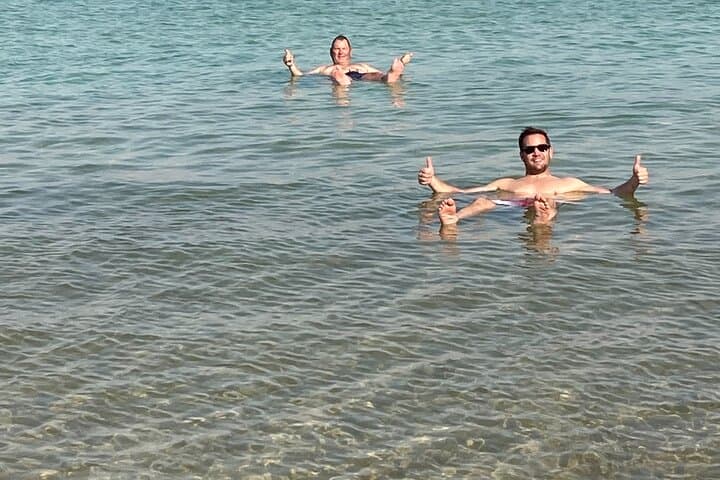
The Dead Sea itself offers a quick, sensory finale: water denser than any ocean (about 34% salinity), buoying you plus a fine black mineral mud used for topical treatments. Practical notes: cobblestones and steps demand supportive footwear, heat requires early starts, and the Masada ascent can be avoided via cable car if mobility or heat are concerns. Expect moderate walking across varied terrain, sunscreen and ample water are non-negotiable, and plan short Dead Sea dips (10–20 minutes) followed by a freshwater rinse.
moderate.
2 days.
Good general fitness for extended walking and short steep climbs; able-bodied travelers can do it with breaks
Yes — a 3-star overnight in Jerusalem (hostel-style) is included in the package.
Yes — the tour includes the Masada cable car if you prefer to avoid the Snake Path ascent.
Yes — Ein Bokek resorts have freshwater showers and changing areas where you can wash off salt and mineral mud.
The itinerary is rated easy to moderate; children can participate but some sites have stairs and uneven surfaces—contact the operator about accessibility and younger children.
Jerusalem’s Old City layers Byzantine, Roman and Ottoman periods in streets and stones; Masada is Herod-era fortification famous for its dramatic Roman siege during the First Jewish–Roman War.
The Dead Sea is receding due to regional water diversion and mineral extraction—stay on marked shores, use biodegradable sunscreen, and follow local guidelines to minimize impact.
Jonathan operates guided outdoor trips and adventures with an emphasis on safety, stewardship, and memorable experiences.
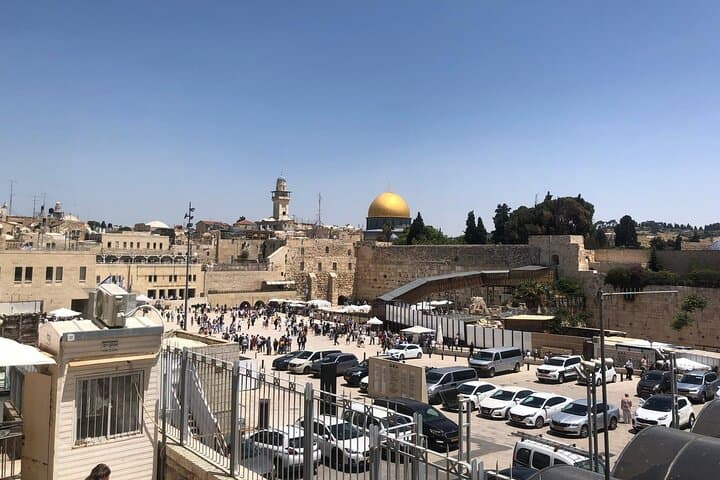
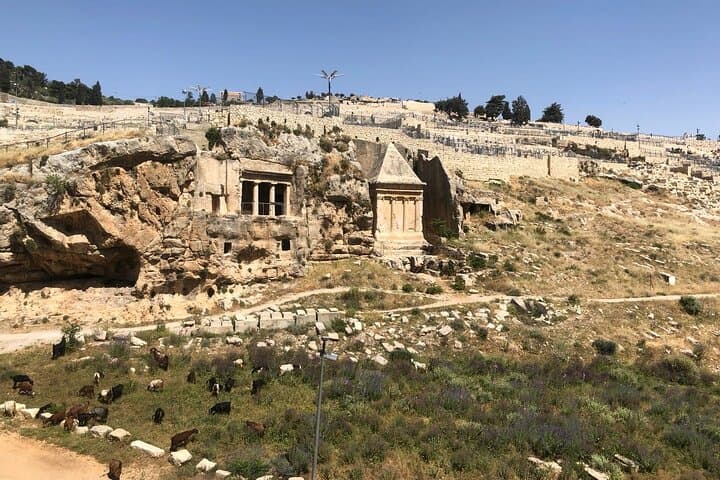
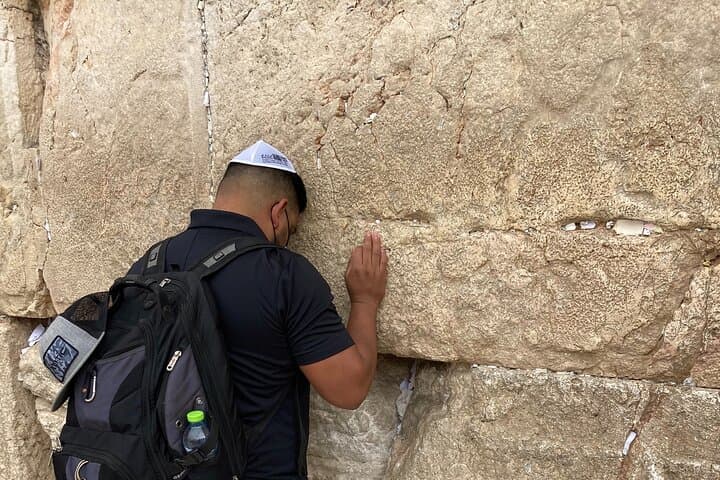
A cool morning presses against the stones at Jaffa Gate as the group moves into the Old City, voices echoing along narrow alleys and the weight of three millennia sitting in the walls. The first day is a walking primer in Jerusalem’s layers: cobbled Byzantine lanes, the Church of the Holy Sepulchre’s cavernous interior, the terraces and ruins of the Temple complex, and a high viewpoint that lets the city spread like a lived-in map below.
A cool morning presses against the stones at Jaffa Gate as the group moves into the Old City, voices echoing along narrow alleys and the weight of three millennia sitting in the walls. The first day is a walking primer in Jerusalem’s layers: cobbled Byzantine lanes, the Church of the Holy Sepulchre’s cavernous interior, the terraces and ruins of the Temple complex, and a high viewpoint that lets the city spread like a lived-in map below.
By the second day the landscape changes—rock gives way to desert and salt. Qumran’s low stone rooms recall the Dead Sea Scrolls’ origins in an arid plateau, while Ein Gedi’s spring-fed pools and waterfalls concentrate life into a ribbon of green where ibex and rock hyrax pick their way over limestone. Masada rises from the plain as a flat-topped fortress of Herod’s era; visitors can take the cable car or choose the Snake Path, a steep 1.8–2.5 km ascent with roughly 300–400 m of elevation gain from the Dead Sea shore.
The Dead Sea itself offers a quick, sensory finale: water denser than any ocean (about 34% salinity), buoying you plus a fine black mineral mud used for topical treatments. Practical notes: cobblestones and steps demand supportive footwear, heat requires early starts, and the Masada ascent can be avoided via cable car if mobility or heat are concerns. Expect moderate walking across varied terrain, sunscreen and ample water are non-negotiable, and plan short Dead Sea dips (10–20 minutes) followed by a freshwater rinse.