THE ADVENTURE COLLECTIVE® · Independent discovery and booking for outdoor travel

Drive from Cape Town into the Klein Karoo for an overnight at Inverdoorn Game Reserve where Big Five sightings, a cheetah run, and a Karoo star show compose an authentic South African safari. Read on for what to expect and how to prepare.
Drive from Cape Town into the Klein Karoo for an overnight at Inverdoorn Game Reserve where Big Five sightings, a cheetah run, and a Karoo star show compose an authentic South African safari. Read on for what to expect and how to prepare.
Arrive at dusk and the Karoo opens like a slow exhale — thornveld grass ripples under a low sun while distant baobabs silhouette a flat horizon. Guests stepping from an air‑conditioned transfer find a lodge built for watching animals move through light as much as for sleeping: an evening game drive begins with the crunch of gravel under heavy tyres, sundowners passed around as elephants move across the plain.
Verified experiences and guided adventures in the surrounding area.
Operated by Matadi Africa And Travel Tours · Montagu, Western Cape
Arrive at dusk and the Karoo opens like a slow exhale — thornveld grass ripples under a low sun while distant baobabs silhouette a flat horizon. Guests stepping from an air‑conditioned transfer find a lodge built for watching animals move through light as much as for sleeping: an evening game drive begins with the crunch of gravel under heavy tyres, sundowners passed around as elephants move across the plain.
Inverdoorn sits on the semi‑arid Klein Karoo, a landscape shaped by ancient marine deposits and seasonal rivers that cut shale and sandstone into broad, low basins. The reserve began as a private conservation project to restore habitat and protect threatened species — today it pairs Big Five viewing with a cheetah rehabilitation program that highlights active recovery and release techniques.
Culture here is quietly Karoo: hardy farmers, heat‑hardened flora, and a hospitality rhythm tuned to sunrise and star‑time. Night brings the Karoo Star Experience — a sky so dark the Milky Way seems to move — and a guide who explains how rangers track rhino and monitor cheetah behaviours.
Practicalities: arrivals are met in Cape Town for a two‑to‑three‑hour transfer through the wine region and Klein Karoo, then a lodge orientation, afternoon drive, and early morning game run that includes a cheetah sprint demonstration. Expect dirt roads, open‑vehicle game drives, and variable room layouts; accommodations are lodge‑style with meals included. Bring binoculars, layered clothing for chilly mornings, sun protection, and a camera with a tele lens. Sightings are never guaranteed, but the reserve’s active management makes close wildlife encounters likely — arrive attentive and leave lighter for having been reminded how wild this part of South Africa still is.
easy.
1–2 days.
Light fitness required — must be able to board and move around open 4x4 vehicles and do short, guided walks if offered.
The reserve is roughly a 2–3 hour drive from central Cape Town depending on traffic and the exact pickup point; transfers are included in most packages.
No wildlife sightings can be guaranteed, but Inverdoorn’s active management and frequent drives make encounters with elephants, rhino, lion, and buffalo likely; leopards remain elusive.
The experience is family‑friendly and wheelchair accessible in many areas, but confirm specific room and transport needs when booking; some game vehicles require stepping up.
Guided cheetah demonstrations are scheduled and included in the itinerary; these are controlled, educational events rather than opportunities to touch or handle animals.
Inverdoorn began as a private conservation initiative on former ranchland in the Klein Karoo, focusing on restoring habitat and protecting threatened species including rhino and cheetah.
The reserve emphasizes anti‑poaching measures, monitored reintroductions, and limits on visitor numbers to reduce disturbance and support long‑term wildlife recovery.
Matadi Africa And Travel Tours operates guided outdoor trips and adventures with an emphasis on safety, stewardship, and memorable experiences.
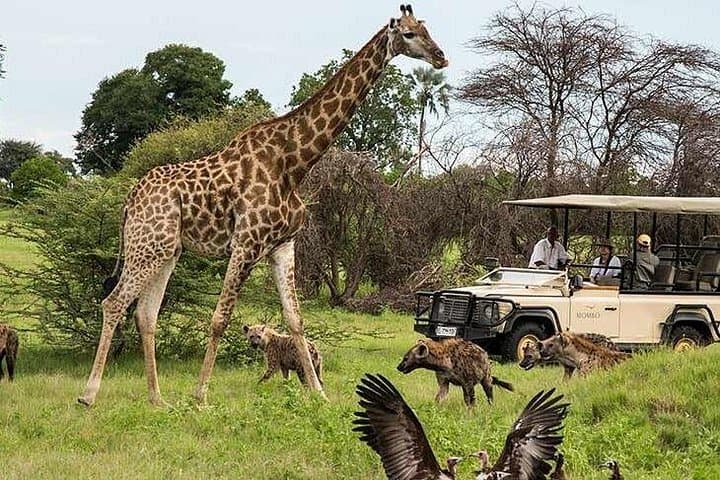
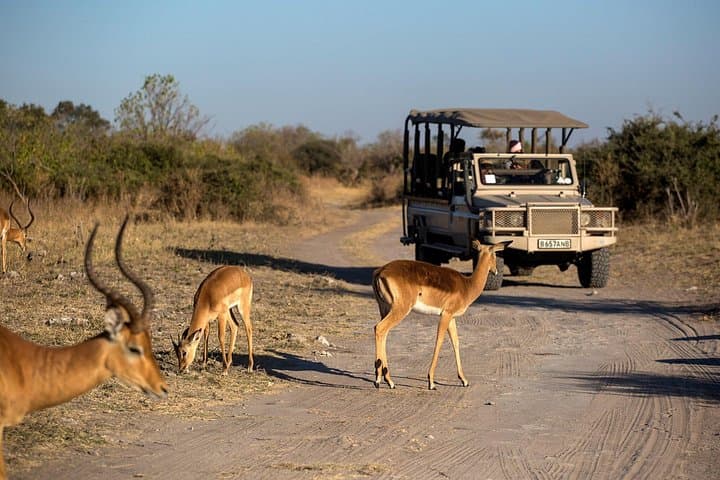
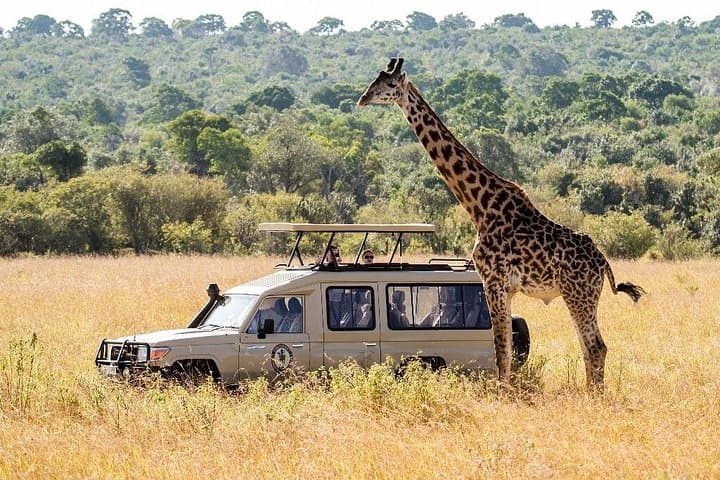
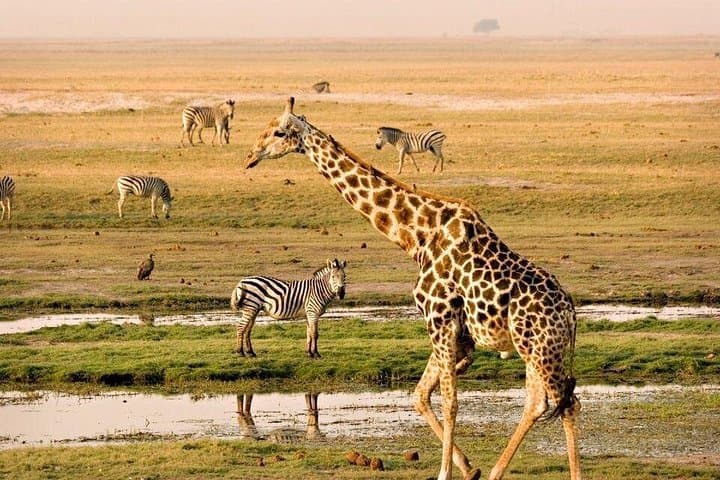
Arrive at dusk and the Karoo opens like a slow exhale — thornveld grass ripples under a low sun while distant baobabs silhouette a flat horizon. Guests stepping from an air‑conditioned transfer find a lodge built for watching animals move through light as much as for sleeping: an evening game drive begins with the crunch of gravel under heavy tyres, sundowners passed around as elephants move across the plain.
Arrive at dusk and the Karoo opens like a slow exhale — thornveld grass ripples under a low sun while distant baobabs silhouette a flat horizon. Guests stepping from an air‑conditioned transfer find a lodge built for watching animals move through light as much as for sleeping: an evening game drive begins with the crunch of gravel under heavy tyres, sundowners passed around as elephants move across the plain.
Inverdoorn sits on the semi‑arid Klein Karoo, a landscape shaped by ancient marine deposits and seasonal rivers that cut shale and sandstone into broad, low basins. The reserve began as a private conservation project to restore habitat and protect threatened species — today it pairs Big Five viewing with a cheetah rehabilitation program that highlights active recovery and release techniques.
Culture here is quietly Karoo: hardy farmers, heat‑hardened flora, and a hospitality rhythm tuned to sunrise and star‑time. Night brings the Karoo Star Experience — a sky so dark the Milky Way seems to move — and a guide who explains how rangers track rhino and monitor cheetah behaviours.
Practicalities: arrivals are met in Cape Town for a two‑to‑three‑hour transfer through the wine region and Klein Karoo, then a lodge orientation, afternoon drive, and early morning game run that includes a cheetah sprint demonstration. Expect dirt roads, open‑vehicle game drives, and variable room layouts; accommodations are lodge‑style with meals included. Bring binoculars, layered clothing for chilly mornings, sun protection, and a camera with a tele lens. Sightings are never guaranteed, but the reserve’s active management makes close wildlife encounters likely — arrive attentive and leave lighter for having been reminded how wild this part of South Africa still is.