THE ADVENTURE COLLECTIVE® · Independent discovery and booking for outdoor travel

Spend a night in a traditional machhan—an elevated tree house—on the edge of Bardiya National Park. This guided overnight focuses on listening and observing nocturnal wildlife from a safe, low-impact watchtower.
Spend a night in a traditional machhan—an elevated tree house—on the edge of Bardiya National Park. This guided overnight focuses on listening and observing nocturnal wildlife from a safe, low-impact watchtower.
You climb a narrow ladder as dusk slides between sal trees, the forest breathing around the wooden machhan. From this elevated tree house the world simplifies to sounds: a pig grunt through the understory, an owl’s soft wingbeat, distant rustles where deer move like shadows. The watchtower sits above the community forest at the edge of Bardiya National Park, giving a close, quiet window into Terai wildlife after dark.
Verified experiences and guided adventures in the surrounding area.
Operated by Community Homestay Network · Bardiya, Lumbini Province
You climb a narrow ladder as dusk slides between sal trees, the forest breathing around the wooden machhan. From this elevated tree house the world simplifies to sounds: a pig grunt through the understory, an owl’s soft wingbeat, distant rustles where deer move like shadows. The watchtower sits above the community forest at the edge of Bardiya National Park, giving a close, quiet window into Terai wildlife after dark.
Bardiya’s plains were once royal hunting grounds; today the park protects a mosaic of riverine grasslands, sal forest, and oxbow lakes carved by the Karnali River. The machhan tradition—elevated platforms used historically by forest guards and hunters—has been adapted here for wildlife observation, pairing local knowledge with low-impact lodging.
Expect guided nocturnal listening and identification sessions, packed dinner, mosquito nets, and a trained guide who knows animal calls and safe behavior around larger mammals. The terrain below is flat but dense; tracks near waterholes attract hog deer, barking deer, and the occasional tiger or sloth bear, so the guide’s instructions matter.
Practical tips: book through the park buffer-zone community program and arrive before sunset to get oriented. Bring a headlamp with a red filter to preserve night vision, layered clothing for humid evenings that cool after midnight, and binoculars for dawn bird activity. This is an accessible, low-technical overnight that rewards patience and quiet—expect long stretches of listening and sudden, close wildlife moments rather than constant sightings.
easy.
24 hours.
Suitable for most fitness levels; requires safe climbing of a short ladder and stable balance on an elevated platform.
Children are allowed but must be supervised at all times; operators often set age limits and require parental responsibility for ladder climbs.
Tigers are present in Bardiya but sightings are unpredictable; the machhan improves listening and close-but-safe observation but does not guarantee sightings.
A packed dinner is included; plan for personal snacks and any dietary needs to be communicated in advance.
This program is not recommended for pregnant travelers due to overnight conditions and ladder access; check operator policy for exceptions.
Machhans were traditional elevated platforms used by forest guards and hunters; in Bardiya they’ve been repurposed for community-based wildlife tourism and monitoring.
This stay supports buffer-zone communities and low-impact observation—follow Leave No Trace principles and the guide’s instructions to minimize disturbance to nocturnal wildlife.
Community Homestay Network operates guided outdoor trips and adventures with an emphasis on safety, stewardship, and memorable experiences.
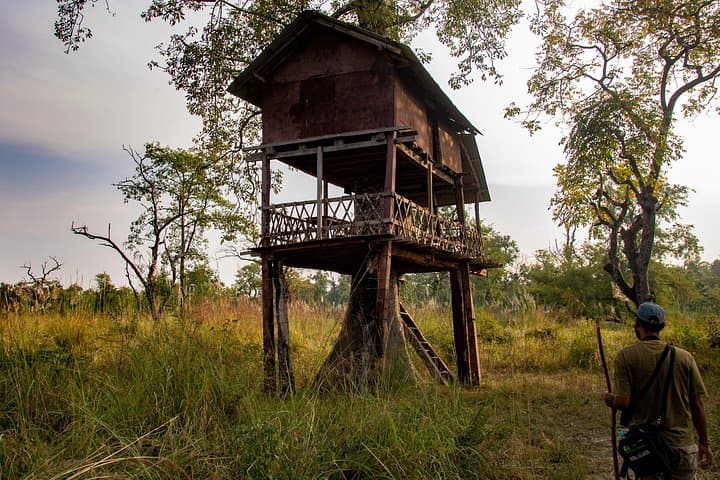
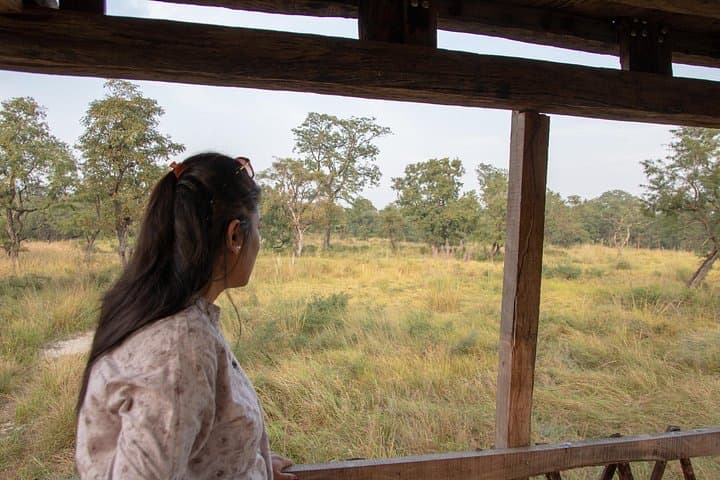
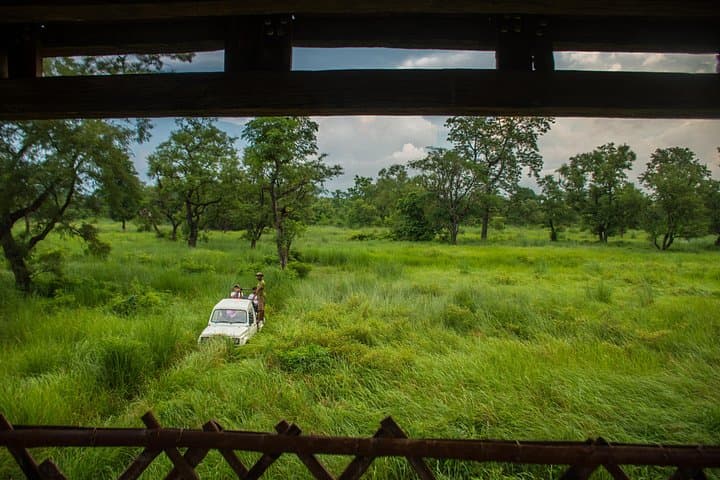
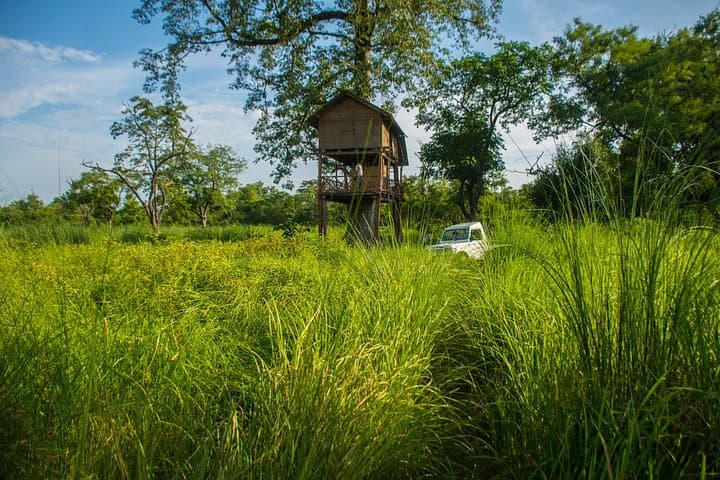
You climb a narrow ladder as dusk slides between sal trees, the forest breathing around the wooden machhan. From this elevated tree house the world simplifies to sounds: a pig grunt through the understory, an owl’s soft wingbeat, distant rustles where deer move like shadows. The watchtower sits above the community forest at the edge of Bardiya National Park, giving a close, quiet window into Terai wildlife after dark.
You climb a narrow ladder as dusk slides between sal trees, the forest breathing around the wooden machhan. From this elevated tree house the world simplifies to sounds: a pig grunt through the understory, an owl’s soft wingbeat, distant rustles where deer move like shadows. The watchtower sits above the community forest at the edge of Bardiya National Park, giving a close, quiet window into Terai wildlife after dark.
Bardiya’s plains were once royal hunting grounds; today the park protects a mosaic of riverine grasslands, sal forest, and oxbow lakes carved by the Karnali River. The machhan tradition—elevated platforms used historically by forest guards and hunters—has been adapted here for wildlife observation, pairing local knowledge with low-impact lodging.
Expect guided nocturnal listening and identification sessions, packed dinner, mosquito nets, and a trained guide who knows animal calls and safe behavior around larger mammals. The terrain below is flat but dense; tracks near waterholes attract hog deer, barking deer, and the occasional tiger or sloth bear, so the guide’s instructions matter.
Practical tips: book through the park buffer-zone community program and arrive before sunset to get oriented. Bring a headlamp with a red filter to preserve night vision, layered clothing for humid evenings that cool after midnight, and binoculars for dawn bird activity. This is an accessible, low-technical overnight that rewards patience and quiet—expect long stretches of listening and sudden, close wildlife moments rather than constant sightings.