THE ADVENTURE COLLECTIVE® · Independent discovery and booking for outdoor travel

Spend a night with a Berber family in Imlil and walk riverside trails, visit an argan cooperative, and climb to Tasghimot’s viewpoints. This 2-day homestay mixes cultural exchange with accessible mountain hiking.
Spend a night with a Berber family in Imlil and walk riverside trails, visit an argan cooperative, and climb to Tasghimot’s viewpoints. This 2-day homestay mixes cultural exchange with accessible mountain hiking.
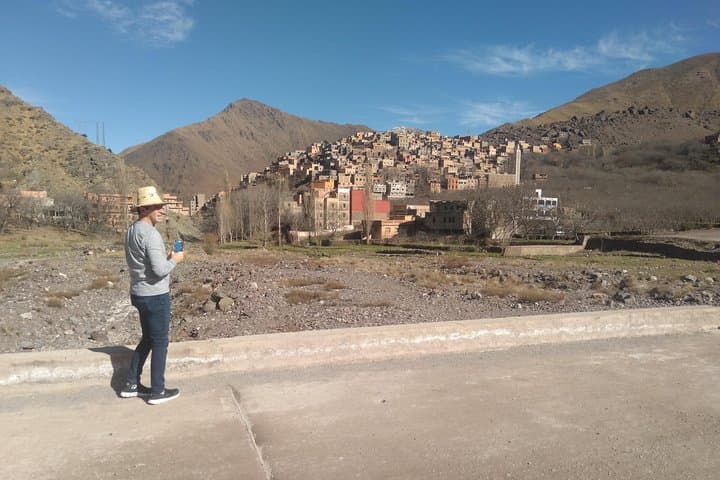
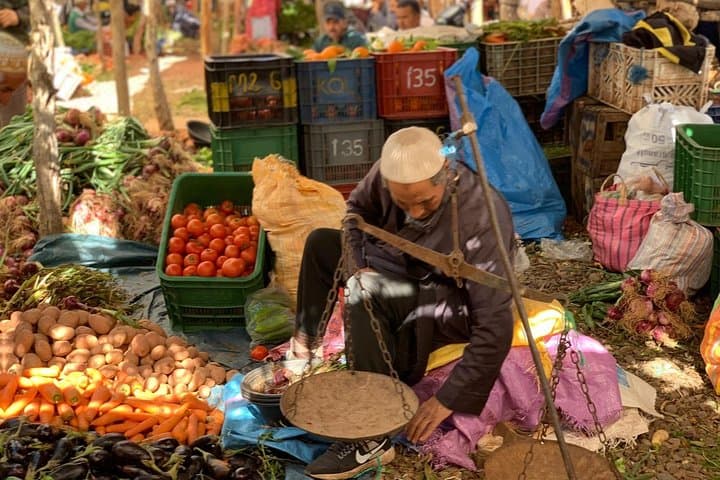
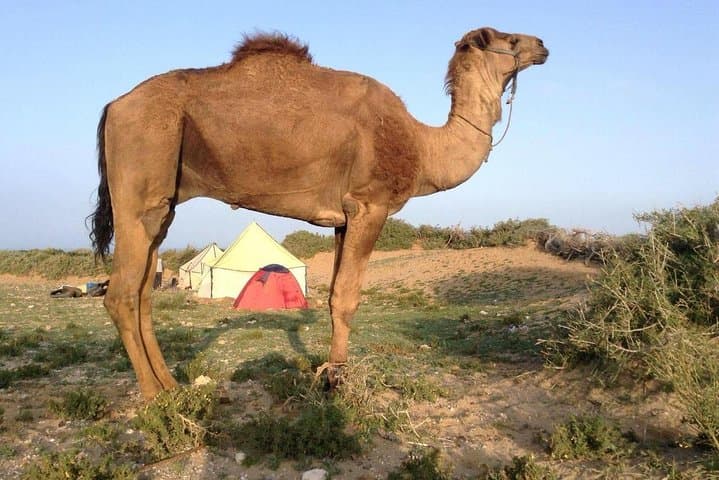
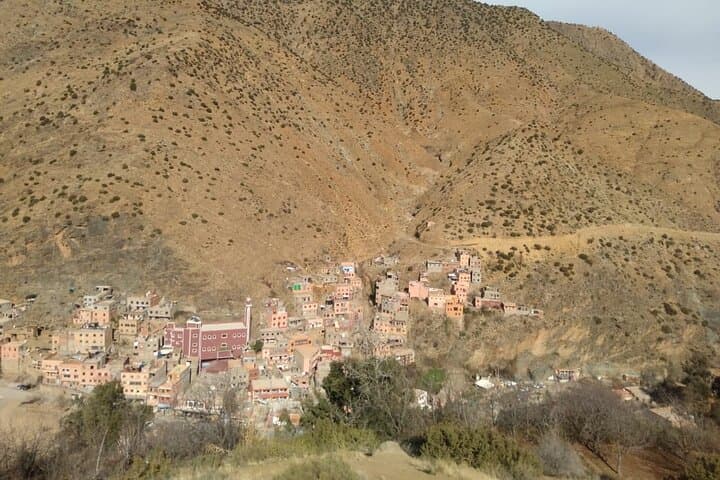
You leave Marrakech behind as the road climbs into the High Atlas; orange-tiled houses shrink and the air cools until the river in Imlil is daring you to slow down. Camels bide patiently at a roadside stop, women at an argan cooperative laugh over fresh bread and tea, and the guide’s family opens their guesthouse roof so you can watch clouds move like slow ships across the ridgelines.
Verified experiences and guided adventures in the surrounding area.
Operated by Atlas Dream · Imlil, Marrakesh-Safi
You leave Marrakech behind as the road climbs into the High Atlas; orange-tiled houses shrink and the air cools until the river in Imlil is daring you to slow down. Camels bide patiently at a roadside stop, women at an argan cooperative laugh over fresh bread and tea, and the guide’s family opens their guesthouse roof so you can watch clouds move like slow ships across the ridgelines.
Geology here is blunt and dramatic—the Atlas rose from the collision of the African and Eurasian plates, folding dark schist and granite into jagged summits. Culturally the valley remains Amazigh (Berber): terraced farms, walnut groves, and villages where mule tracks are the main streets. A visit to a women’s cooperative demonstrates the local economy; staying with a family reveals daily rhythms shaped by altitude and seasons.
Expect two days of mixed walking: a relaxed 2-hour valley hike on day one with river crossings and stone paths, then a steeper 3-hour ascent to the Tasghimot viewpoint on day two. Accommodations are a modest modern guesthouse; meals are home-cooked, often communal and herb-forward.
Practical notes: bring sturdy footwear for rocky and occasionally muddy trails, a reusable water bottle and sun protection, and layers for large temperature swings between valley and night. Respect private space—ask before photographing people—and tip guides and hosts for hospitality. Timing rides, mule support, and pickups is straightforward; the road schedule returns you to Marrakech by early evening on day two.
moderate.
2 days.
Should be comfortable walking 2–4 hours with modest elevation gain; some hill fitness recommended.
The village is in the Imlil valley, about 1.5 hours by car from Marrakech along paved roads; the tour includes pickup and return transport.
Accommodation is in a small family-run guesthouse; rooms may be private or shared depending on availability—expect modest but clean facilities.
Yes—mules and handlers are available for luggage and for guests who prefer riding parts of the route; notify the guide if you need a mule in advance.
The trip involves village stairs and uneven trails; it’s best for those with moderate mobility. Infant seats are available for vehicle travel, but hiking sections may be challenging for young children.
The High Atlas has been inhabited by Amazigh (Berber) communities for centuries; terraces and stone houses reflect long-standing mountain agriculture and transhumance patterns.
Tourism supports local incomes but also strains water and trail systems—use local guides, limit single-use plastics, and respect grazing areas to reduce impact.
Atlas Dream operates guided outdoor trips and adventures with an emphasis on safety, stewardship, and memorable experiences.
You leave Marrakech behind as the road climbs into the High Atlas; orange-tiled houses shrink and the air cools until the river in Imlil is daring you to slow down. Camels bide patiently at a roadside stop, women at an argan cooperative laugh over fresh bread and tea, and the guide’s family opens their guesthouse roof so you can watch clouds move like slow ships across the ridgelines.
You leave Marrakech behind as the road climbs into the High Atlas; orange-tiled houses shrink and the air cools until the river in Imlil is daring you to slow down. Camels bide patiently at a roadside stop, women at an argan cooperative laugh over fresh bread and tea, and the guide’s family opens their guesthouse roof so you can watch clouds move like slow ships across the ridgelines.
Geology here is blunt and dramatic—the Atlas rose from the collision of the African and Eurasian plates, folding dark schist and granite into jagged summits. Culturally the valley remains Amazigh (Berber): terraced farms, walnut groves, and villages where mule tracks are the main streets. A visit to a women’s cooperative demonstrates the local economy; staying with a family reveals daily rhythms shaped by altitude and seasons.
Expect two days of mixed walking: a relaxed 2-hour valley hike on day one with river crossings and stone paths, then a steeper 3-hour ascent to the Tasghimot viewpoint on day two. Accommodations are a modest modern guesthouse; meals are home-cooked, often communal and herb-forward.
Practical notes: bring sturdy footwear for rocky and occasionally muddy trails, a reusable water bottle and sun protection, and layers for large temperature swings between valley and night. Respect private space—ask before photographing people—and tip guides and hosts for hospitality. Timing rides, mule support, and pickups is straightforward; the road schedule returns you to Marrakech by early evening on day two.