THE ADVENTURE COLLECTIVE® · Independent discovery and booking for outdoor travel

Spend a night with Uros islanders on Lake Titicaca—sleep on totora reed islands, join daily tasks, and watch the southern stars low over a high-altitude lake. Expect simple comforts, strong sunlight, and a rare cultural exchange.
Spend a night with Uros islanders on Lake Titicaca—sleep on totora reed islands, join daily tasks, and watch the southern stars low over a high-altitude lake. Expect simple comforts, strong sunlight, and a rare cultural exchange.
You step off the motorboat onto a surface that breathes—matted totora reeds buoying houses and pathways while wind and water bargain over each ripple. Night on the Uros is close to the lake: stars feel like a second shoreline and the air cools quickly, pushing you into sweaters and mugs of herbal tea.
Verified experiences and guided adventures in the surrounding area.
Operated by Titicaca Worldwide · Puno, Puno Region
You step off the motorboat onto a surface that breathes—matted totora reeds buoying houses and pathways while wind and water bargain over each ripple. Night on the Uros is close to the lake: stars feel like a second shoreline and the air cools quickly, pushing you into sweaters and mugs of herbal tea.
The Uros are a pre-Inca people who built reed islands centuries ago to live, fish and trade on Lake Titicaca. The islands float because the totora roots and layers are continuously replaced; geology here is less about peaks than about the ancient high plain that caught and kept a great inland sea. Culture remains hands-on: families weave, cut reeds and fish for trout or chicken, inviting visitors to share tasks and traditional meals under simple solar lights.
Expect bright sun by day and single-digit temperatures at night—altitude (about 3,800 m / 12,500 ft) asserts itself. Boat rides are short but can be choppy; the reed islands shift slowly beneath your feet. Conversations with hosts reveal stories of identity—adapting ancestral craft to modern tourism while preserving reed-harvesting rhythms.
Practical guidance: pack layered, breathable clothing and a warm sleeping layer; bring cash for small purchases and tips, plus motion-sickness meds if you’re sensitive to boat rides. Respect household rules: ask before photographing and offer to help with simple tasks—cutting or weaving are welcome. Water is limited; conserve and use provided water sparingly. The experience rewards patience: dawn light on reed edges and the quiet lap of the lake create a simple, slow itinerary that lingers after you leave.
easy.
2 days (overnight).
Suitable for most travelers who can board a small boat and stand/walk on slightly unstable surfaces; basic mobility recommended.
Yes, but note the altitude and uneven reed surfaces; consult a doctor for those with cardiovascular or spinal issues and plan extra rest time.
Basic facilities vary by family—most provide simple cold-water showers and composting or basic toilets; bring biodegradable wipes and toiletries.
Yes, hosts often invite guests to help with cutting reeds or weaving under supervision—wear gloves and follow instructions to avoid injury.
Most tours include pickup from Puno hotels and a 20–45 minute motorboat transfer from the local port depending on island location.
The Uros constructed floating totora islands centuries ago as a defensive and adaptive strategy pre-dating the Inca; their reed craft and community structures persist today.
Reed harvesting is sustainable when cycles are respected; visitors should minimize plastic waste, avoid trampling new reed beds and support local economies directly.
Titicaca Worldwide operates guided outdoor trips and adventures with an emphasis on safety, stewardship, and memorable experiences.
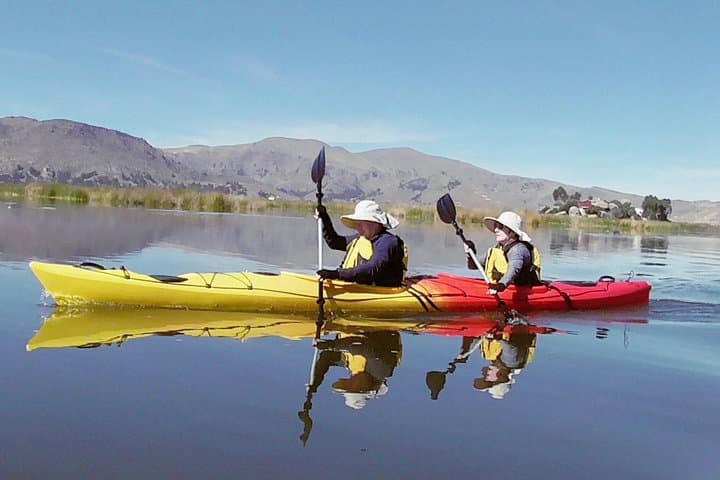
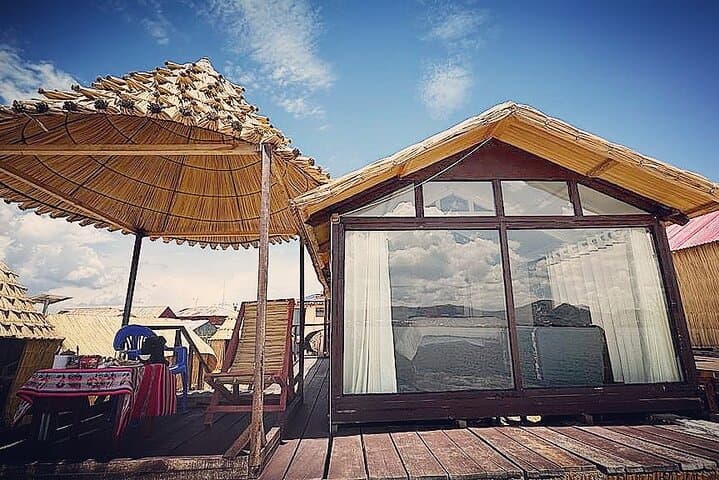
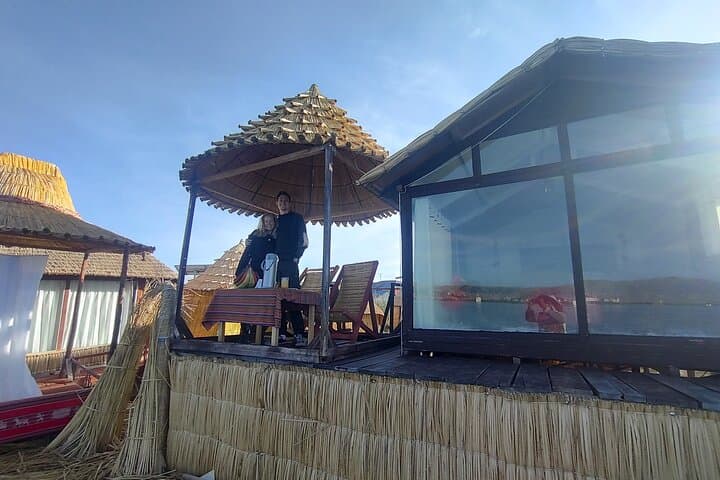
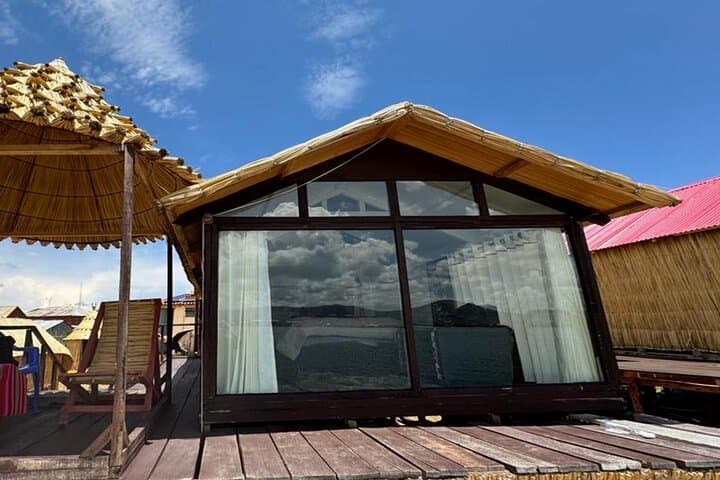
You step off the motorboat onto a surface that breathes—matted totora reeds buoying houses and pathways while wind and water bargain over each ripple. Night on the Uros is close to the lake: stars feel like a second shoreline and the air cools quickly, pushing you into sweaters and mugs of herbal tea.
You step off the motorboat onto a surface that breathes—matted totora reeds buoying houses and pathways while wind and water bargain over each ripple. Night on the Uros is close to the lake: stars feel like a second shoreline and the air cools quickly, pushing you into sweaters and mugs of herbal tea.
The Uros are a pre-Inca people who built reed islands centuries ago to live, fish and trade on Lake Titicaca. The islands float because the totora roots and layers are continuously replaced; geology here is less about peaks than about the ancient high plain that caught and kept a great inland sea. Culture remains hands-on: families weave, cut reeds and fish for trout or chicken, inviting visitors to share tasks and traditional meals under simple solar lights.
Expect bright sun by day and single-digit temperatures at night—altitude (about 3,800 m / 12,500 ft) asserts itself. Boat rides are short but can be choppy; the reed islands shift slowly beneath your feet. Conversations with hosts reveal stories of identity—adapting ancestral craft to modern tourism while preserving reed-harvesting rhythms.
Practical guidance: pack layered, breathable clothing and a warm sleeping layer; bring cash for small purchases and tips, plus motion-sickness meds if you’re sensitive to boat rides. Respect household rules: ask before photographing and offer to help with simple tasks—cutting or weaving are welcome. Water is limited; conserve and use provided water sparingly. The experience rewards patience: dawn light on reed edges and the quiet lap of the lake create a simple, slow itinerary that lingers after you leave.