THE ADVENTURE COLLECTIVE® · Independent discovery and booking for outdoor travel

Spend a long night exploring the shadowed corridors of the Indiana State Sanatorium with trained investigators. This overnight ghost hunt combines hands-on equipment training, exclusive after-dark access, and a daytime tour to contextualize the site's history.
Spend a long night exploring the shadowed corridors of the Indiana State Sanatorium with trained investigators. This overnight ghost hunt combines hands-on equipment training, exclusive after-dark access, and a daytime tour to contextualize the site's history.
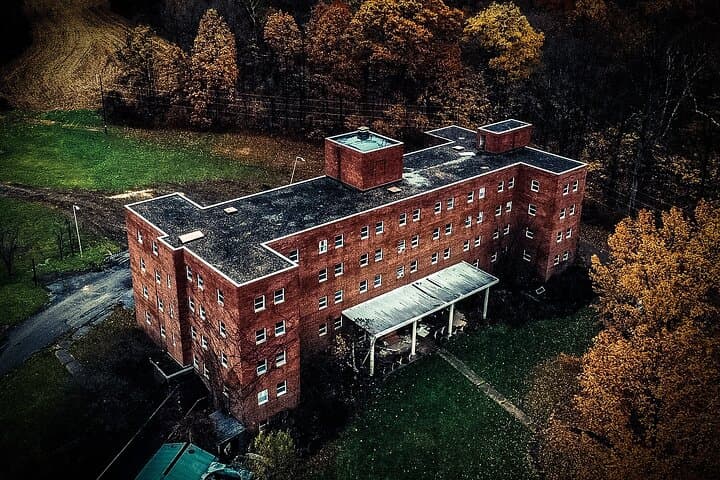
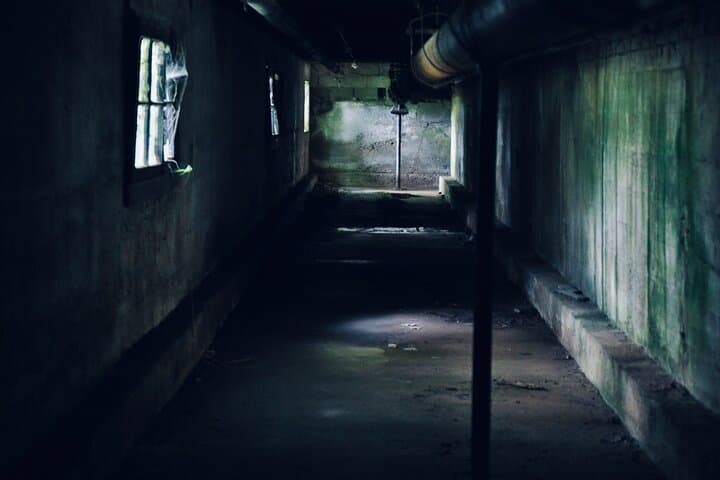
Dusk settles behind the limestone bluffs and the sanatorium's long windows take on a gunmetal sheen, turning corridors into channels of shadow. You step through a yawning door and the building answers with a low creak; the air smells faintly of old wood and cold medicine. The overnight ghost hunt at the Indiana State Sanatorium is less theatrical haunt and more patient, close-quarters investigation — a chance to move slowly through history after dark.
Verified experiences and guided adventures in the surrounding area.
Operated by Spiritual and Haunted · Mitchell, Indiana
Dusk settles behind the limestone bluffs and the sanatorium's long windows take on a gunmetal sheen, turning corridors into channels of shadow. You step through a yawning door and the building answers with a low creak; the air smells faintly of old wood and cold medicine. The overnight ghost hunt at the Indiana State Sanatorium is less theatrical haunt and more patient, close-quarters investigation — a chance to move slowly through history after dark.
The sanatorium opened in the early 20th century as a tuberculosis hospital, when open-air treatment and rest were the prescription of the day. Southern Indiana's geology — shallow soils over Salem limestone — helped shape the site's construction and sense of place: thick stone foundations, cool interior temperatures, and a landscape of quarry-cut ledges and oak-studded ridges just beyond the grounds. Locals remember the hospital's role in public health and the uneasy folklore that grew around long-term illness and sudden, unexplained sounds.
Expect a hands-on night: teams are trained on EMF readers, digital recorders, and thermal cameras before you head out. Investigators brief you on safety and evidence protocols; daylight access for a guided tour is usually included so you can compare the building's daytime geometry to its nocturnal disposition.
Practical guide: bring a charged headlamp, warm layers, and footwear for uneven floors. Mobility is moderate — staircases, dim rooms, and occasional debris are part of the experience. Respect the site: no vandalism, no flash photography during set investigative periods, and follow the lead investigator's instructions. This is an immersive vigil that balances historical discovery with methodical investigation, best suited for curious, steady-footed visitors ready for a long, quiet night inside a storied structure.
moderate.
8 hours.
Participants should have moderate fitness and steady balance for stairs, uneven flooring, and hours on foot.
Policies vary; many operators restrict overnight paranormal vigils to ages 18+ or require parental consent—check the booking terms before reserving.
Investigators typically provide basic ghost-hunting tools (EMF meters, digital recorders); bring personal headlamps, batteries, and weather-appropriate clothing.
Organizers conduct safety briefings and restrict access to unstable areas, but participants should expect uneven floors and low lighting; appropriate footwear and mobility are required.
Cancellation and refund policies differ; most operators allow a full refund if you cancel at least 24 hours in advance and will notify you if the event is postponed.
The sanatorium was built in the early 1900s for tuberculosis patients when long-term isolation and fresh-air regimens were standard; over time, local lore grew around unexplained noises and patient stories.
The site requires respectful visitation to prevent further decay; follow Leave No Trace indoors by not disturbing fixtures or graffiti and by staying in permitted areas.
Spiritual and Haunted operates guided outdoor trips and adventures with an emphasis on safety, stewardship, and memorable experiences.


Dusk settles behind the limestone bluffs and the sanatorium's long windows take on a gunmetal sheen, turning corridors into channels of shadow. You step through a yawning door and the building answers with a low creak; the air smells faintly of old wood and cold medicine. The overnight ghost hunt at the Indiana State Sanatorium is less theatrical haunt and more patient, close-quarters investigation — a chance to move slowly through history after dark.
Dusk settles behind the limestone bluffs and the sanatorium's long windows take on a gunmetal sheen, turning corridors into channels of shadow. You step through a yawning door and the building answers with a low creak; the air smells faintly of old wood and cold medicine. The overnight ghost hunt at the Indiana State Sanatorium is less theatrical haunt and more patient, close-quarters investigation — a chance to move slowly through history after dark.
The sanatorium opened in the early 20th century as a tuberculosis hospital, when open-air treatment and rest were the prescription of the day. Southern Indiana's geology — shallow soils over Salem limestone — helped shape the site's construction and sense of place: thick stone foundations, cool interior temperatures, and a landscape of quarry-cut ledges and oak-studded ridges just beyond the grounds. Locals remember the hospital's role in public health and the uneasy folklore that grew around long-term illness and sudden, unexplained sounds.
Expect a hands-on night: teams are trained on EMF readers, digital recorders, and thermal cameras before you head out. Investigators brief you on safety and evidence protocols; daylight access for a guided tour is usually included so you can compare the building's daytime geometry to its nocturnal disposition.
Practical guide: bring a charged headlamp, warm layers, and footwear for uneven floors. Mobility is moderate — staircases, dim rooms, and occasional debris are part of the experience. Respect the site: no vandalism, no flash photography during set investigative periods, and follow the lead investigator's instructions. This is an immersive vigil that balances historical discovery with methodical investigation, best suited for curious, steady-footed visitors ready for a long, quiet night inside a storied structure.