THE ADVENTURE COLLECTIVE® · Independent discovery and booking for outdoor travel

Spend a night in a courtyard hot-spring hotel and hike the Simatai section of the Great Wall by evening light. This private overnight tour pairs traditional architecture, a cable-car ascent and the chance to soak under the stars.
Spend a night in a courtyard hot-spring hotel and hike the Simatai section of the Great Wall by evening light. This private overnight tour pairs traditional architecture, a cable-car ascent and the chance to soak under the stars.
Step off the highway and the night folds around narrow cobbled lanes and lantern-lit canals—Gubei Water Town feels like a stage set given life. The town’s wooden eaves and arched bridges reflect in slow-moving water while a cable car hums above, ferrying visitors toward the stony spine of Simatai Great Wall.
Verified experiences and guided adventures in the surrounding area.
Operated by Marco Polo electronic commerce co.,LTD · Gubei Water Town (Miyun), Beijing
Step off the highway and the night folds around narrow cobbled lanes and lantern-lit canals—Gubei Water Town feels like a stage set given life. The town’s wooden eaves and arched bridges reflect in slow-moving water while a cable car hums above, ferrying visitors toward the stony spine of Simatai Great Wall.
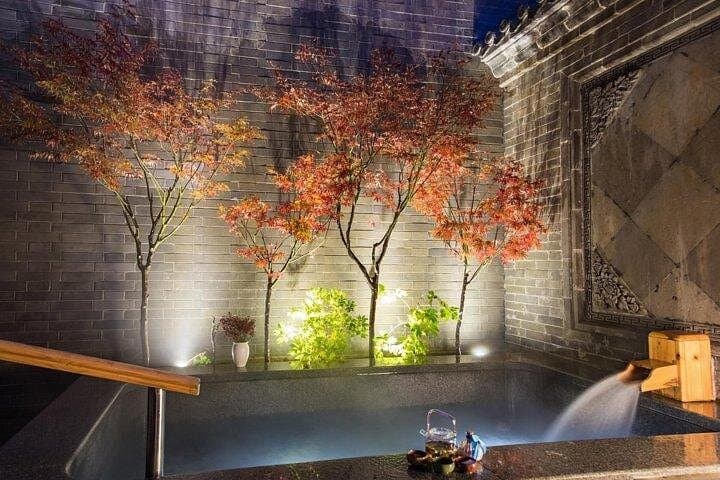
Simatai occupies an eastern sector of the Ming Great Wall noted for its steep gradients and well-preserved watchtowers; the wall here follows crags carved by ancient rivers and tectonic lift. Gubei itself was rebuilt as a cultural tourism hub in recent decades, blending Hebei building traditions with hospitality aimed at Beijing weekenders. Local cuisine leans on mountain vegetables, smoked tofu and river fish, and some inns keep private hot-spring baths sourced from geothermal pockets—an unhurried contrast to the craggy, wind-cut walk above.
Practically: expect two days with roughly two hours’ drive each way from Beijing, a cable-car ascent, and an evening hike along restored and unrestored sections of wall (uneven stone steps and steep pitches). Bring a swimsuit, warm layers for after-dark wall wind, sturdy shoes for loose footing, and a headlamp if you plan sunrise or night sections. Hydrate before the climb; the cable car cuts ascent but the path still tests knees and balance. If you want photos, aim for golden hour on the wall when the town lights begin to glitter—nature pushes you toward the view, but planning gets you there comfortably.
moderate.
2 days (approx. 48 hours).
Suitable for travelers with moderate fitness — able to handle uneven steps, short steep sections and 1–2 hours of walking at elevation.
Yes, round-trip cable car tickets to the Simatai access are included in the tour price.
Yes—private hot-spring use is available but guests must bring their own swimwear.
The Simatai section allows evening hikes and views over Gubei Water Town; lighting varies by season, and parts may be less illuminated, so use caution.
PEK airport pickup and drop-off are offered if you provide flight details at booking.
Simatai is part of the Ming-era defensive line; its steeper profile preserved many original watchtowers while later tourism developments reconstructed the adjacent water town.
Visitor numbers are managed seasonally; staying on paths, avoiding graffiti and minimizing hot-spring chemical use helps protect stonework and local water quality.
Marco Polo electronic commerce co.,LTD operates guided outdoor trips and adventures with an emphasis on safety, stewardship, and memorable experiences.
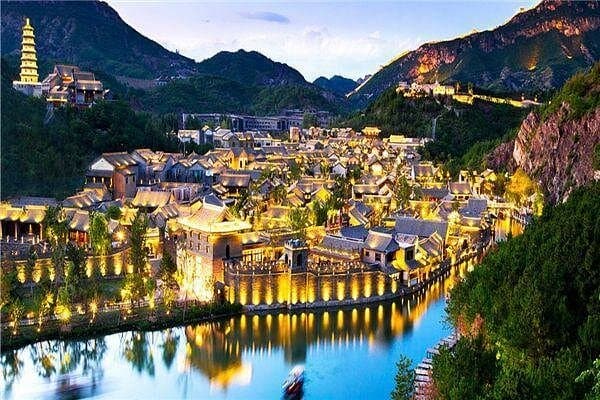
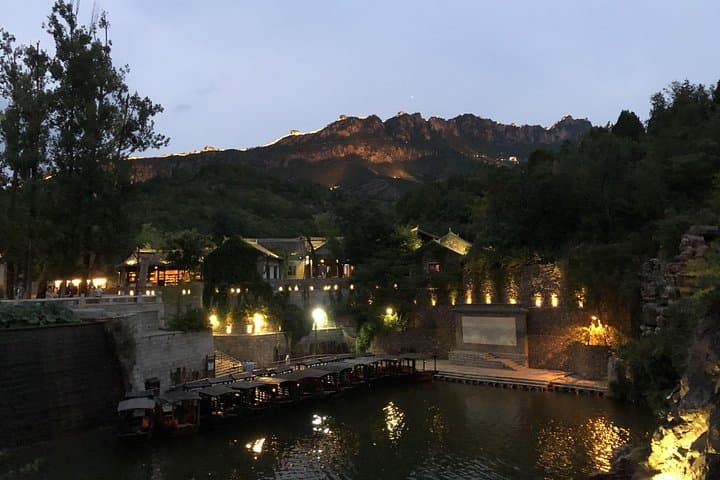
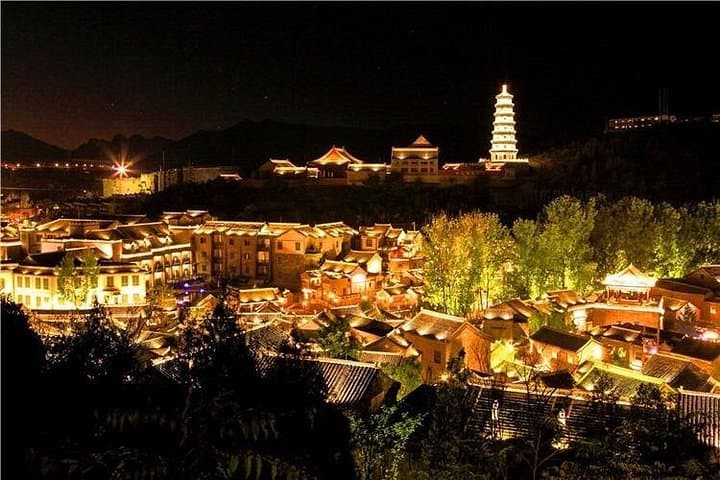
Step off the highway and the night folds around narrow cobbled lanes and lantern-lit canals—Gubei Water Town feels like a stage set given life. The town’s wooden eaves and arched bridges reflect in slow-moving water while a cable car hums above, ferrying visitors toward the stony spine of Simatai Great Wall.
Step off the highway and the night folds around narrow cobbled lanes and lantern-lit canals—Gubei Water Town feels like a stage set given life. The town’s wooden eaves and arched bridges reflect in slow-moving water while a cable car hums above, ferrying visitors toward the stony spine of Simatai Great Wall.
Simatai occupies an eastern sector of the Ming Great Wall noted for its steep gradients and well-preserved watchtowers; the wall here follows crags carved by ancient rivers and tectonic lift. Gubei itself was rebuilt as a cultural tourism hub in recent decades, blending Hebei building traditions with hospitality aimed at Beijing weekenders. Local cuisine leans on mountain vegetables, smoked tofu and river fish, and some inns keep private hot-spring baths sourced from geothermal pockets—an unhurried contrast to the craggy, wind-cut walk above.
Practically: expect two days with roughly two hours’ drive each way from Beijing, a cable-car ascent, and an evening hike along restored and unrestored sections of wall (uneven stone steps and steep pitches). Bring a swimsuit, warm layers for after-dark wall wind, sturdy shoes for loose footing, and a headlamp if you plan sunrise or night sections. Hydrate before the climb; the cable car cuts ascent but the path still tests knees and balance. If you want photos, aim for golden hour on the wall when the town lights begin to glitter—nature pushes you toward the view, but planning gets you there comfortably.