THE ADVENTURE COLLECTIVE® · Independent discovery and booking for outdoor travel

Spend a night at the Elephant Conservation Centre on Nam Tien Lake for hands-on conservation learning, forest walks, and lakeside observations of rescued elephants preparing for rewilding. This two-day trip from Luang Prabang combines wildlife viewing with practical conservation education.
Spend a night at the Elephant Conservation Centre on Nam Tien Lake for hands-on conservation learning, forest walks, and lakeside observations of rescued elephants preparing for rewilding. This two-day trip from Luang Prabang combines wildlife viewing with practical conservation education.
You arrive at Nam Tien Lake just as the light softens across teak and dipterocarp forest; the water catches the sky and the distant silhouettes of elephants move like slow punctuation along the shore. A short boat ride delivers you to the Elephant Conservation Centre where a private bungalow becomes basecamp for two days of close-but-respectful observation, forest walks, and waterside moments with animals being prepared for rewilding.
Verified experiences and guided adventures in the surrounding area.
Operated by Best Lao Travel Co, Ltd · Sayaboury, Sayaboury Province
You arrive at Nam Tien Lake just as the light softens across teak and dipterocarp forest; the water catches the sky and the distant silhouettes of elephants move like slow punctuation along the shore. A short boat ride delivers you to the Elephant Conservation Centre where a private bungalow becomes basecamp for two days of close-but-respectful observation, forest walks, and waterside moments with animals being prepared for rewilding.
The site sits on the edge of Nam Pouy National Protected Area, in territory shaped by folded limestone ridges and seasonal streams that feed broad lake flats. The region has long been defined by shifting relationships between smallholder Lao communities and working elephants; the center now focuses on rescue, rehabilitation and returning elephants to protected forest.
Culturally, expect simple, communal meals and conversations with biologists and local staff who explain tracking, veterinary care, and the social behavior of mothers and calves. Geologically the surrounding hills are karst and mixed sandstone, which frame forest corridors the elephants use to re-enter protected tracts at dusk.
Practical guidance: bring sturdy, quick-dry footwear and a daypack; swimsuits and a dry bag are valuable for lake swims and canoeing. Plan around the dry season (November–April) for easier forest access and clearer trails; monsoon months can make approaches muddy and slow. Respect staff instructions—no riding—and follow biosecurity steps at the hospital area. Hydrate frequently, use insect repellent, and allow slow time for observation: the most memorable moments are quiet ones when the herd decides to cross the water and the lake answers with a soft splash.
moderate.
2 days (approx. 48 hours).
Moderate fitness for short forest walks, stairs, and some uneven terrain; not suitable for those with serious back or heart conditions.
No—this center focuses on rehabilitation and rewilding; interactions are observational and hands-on care excludes riding.
Yes—round-trip transfer from Luang Prabang to the center is included in the tour package.
Children are permitted but the program is best for kids who can follow safety briefings; there are age-based considerations and the operator asks booking details for minors.
The tour recommends moderate fitness; it’s not suitable for people with serious back, heart conditions, or pregnancy—consult the operator before booking.
Local communities in Sayaboury have a long history of elephant logging and husbandry; conservation efforts now shift rescued animals from labor into protected forest life.
The center prioritizes non-riding rehabilitation and reintroduction into Nam Pouy protected forest; visitors are asked to follow strict hygiene and behavior rules to minimize human impact.
Best Lao Travel Co, Ltd operates guided outdoor trips and adventures with an emphasis on safety, stewardship, and memorable experiences.
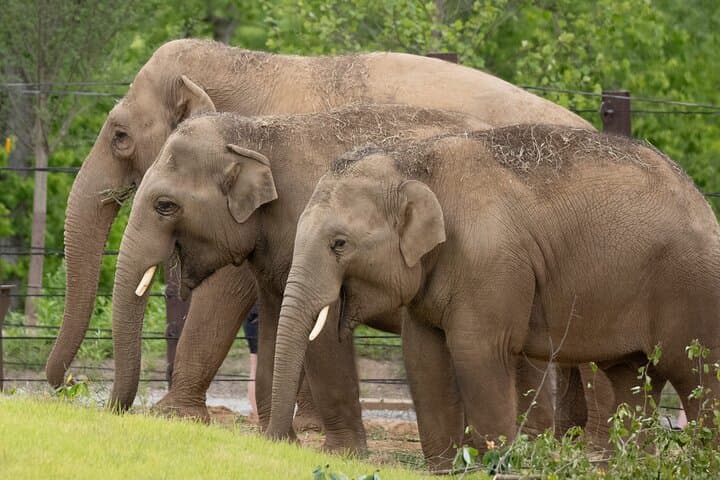
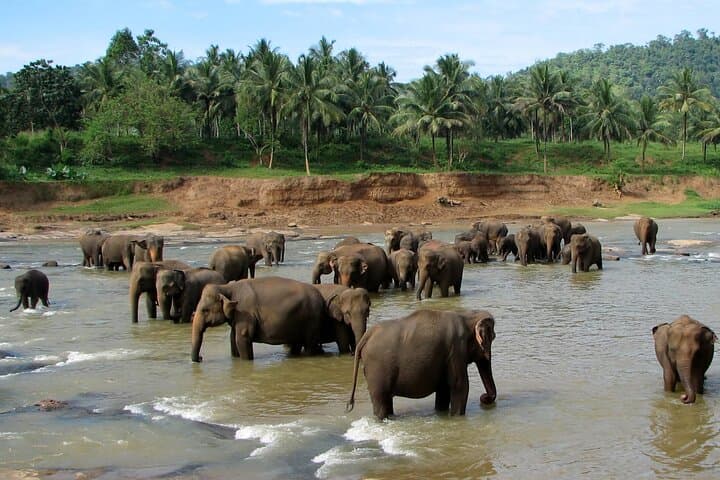
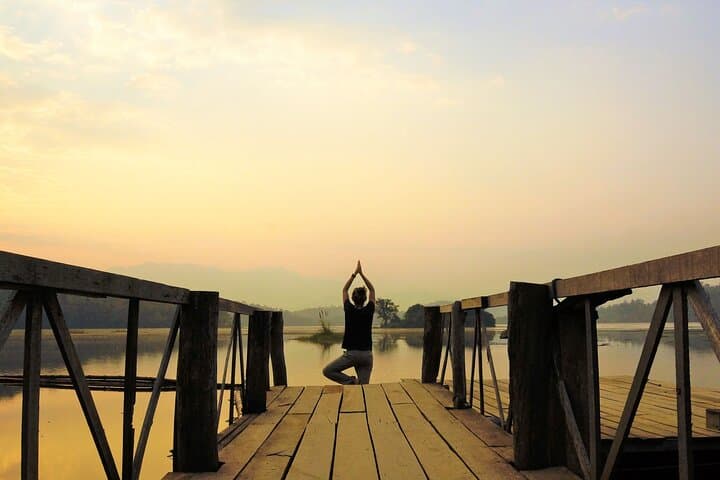
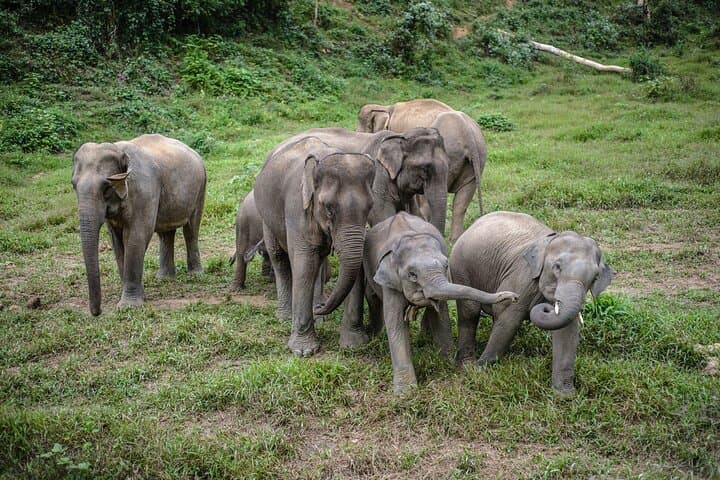
You arrive at Nam Tien Lake just as the light softens across teak and dipterocarp forest; the water catches the sky and the distant silhouettes of elephants move like slow punctuation along the shore. A short boat ride delivers you to the Elephant Conservation Centre where a private bungalow becomes basecamp for two days of close-but-respectful observation, forest walks, and waterside moments with animals being prepared for rewilding.
You arrive at Nam Tien Lake just as the light softens across teak and dipterocarp forest; the water catches the sky and the distant silhouettes of elephants move like slow punctuation along the shore. A short boat ride delivers you to the Elephant Conservation Centre where a private bungalow becomes basecamp for two days of close-but-respectful observation, forest walks, and waterside moments with animals being prepared for rewilding.
The site sits on the edge of Nam Pouy National Protected Area, in territory shaped by folded limestone ridges and seasonal streams that feed broad lake flats. The region has long been defined by shifting relationships between smallholder Lao communities and working elephants; the center now focuses on rescue, rehabilitation and returning elephants to protected forest.
Culturally, expect simple, communal meals and conversations with biologists and local staff who explain tracking, veterinary care, and the social behavior of mothers and calves. Geologically the surrounding hills are karst and mixed sandstone, which frame forest corridors the elephants use to re-enter protected tracts at dusk.
Practical guidance: bring sturdy, quick-dry footwear and a daypack; swimsuits and a dry bag are valuable for lake swims and canoeing. Plan around the dry season (November–April) for easier forest access and clearer trails; monsoon months can make approaches muddy and slow. Respect staff instructions—no riding—and follow biosecurity steps at the hospital area. Hydrate frequently, use insect repellent, and allow slow time for observation: the most memorable moments are quiet ones when the herd decides to cross the water and the lake answers with a soft splash.