THE ADVENTURE COLLECTIVE® · Independent discovery and booking for outdoor travel

Drive from Salalah into the Rub al Khali to visit Wadi Dawka’s frankincense groves, the archaeological remains of Ubar, and sleep beneath desert stars. This overnight tour blends coastal Dhofar history with dramatic dune driving and simple camp comforts.
Drive from Salalah into the Rub al Khali to visit Wadi Dawka’s frankincense groves, the archaeological remains of Ubar, and sleep beneath desert stars. This overnight tour blends coastal Dhofar history with dramatic dune driving and simple camp comforts.
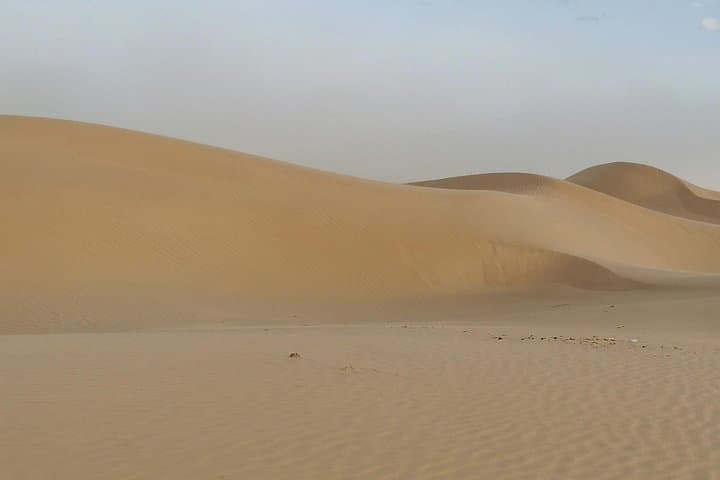
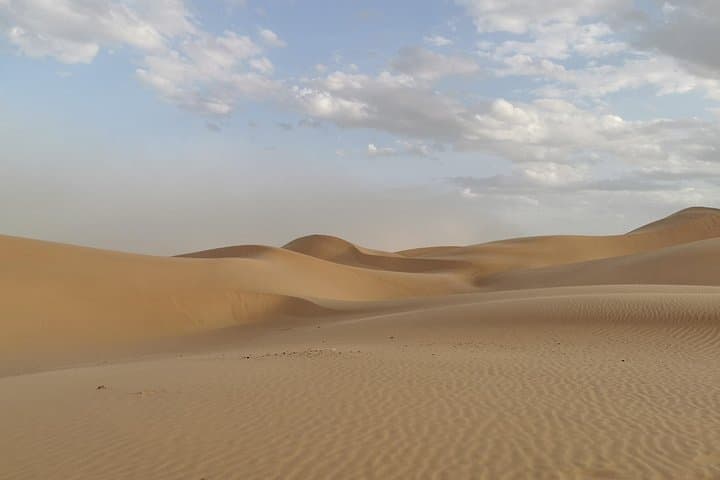
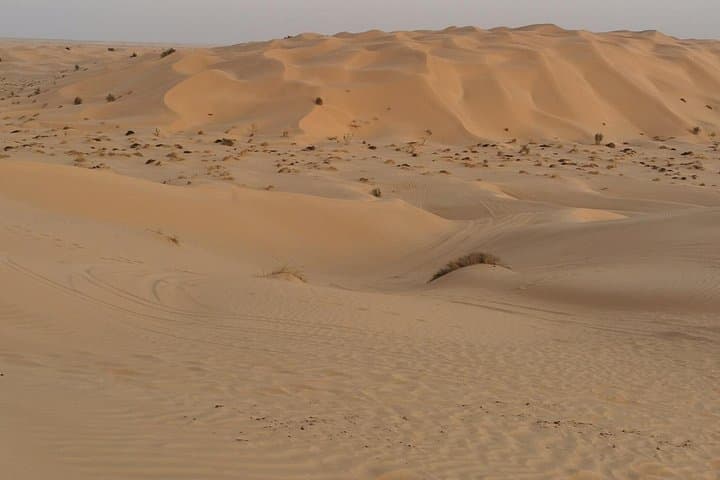
A late-afternoon wind pushes warm sand into ripples that catch the last light as your vehicle crosses toward the Empty Quarter. You step out on a dune rim; the smell of dust and resin hangs in the air while distant acacia and frankincense trees silhouette against the sky. This overnight tour from Salalah threads together Wadi Dawka’s ancient frankincense groves, the small museum at the reported site of Ubar, and a night under the stars in Rub al Khali.
Verified experiences and guided adventures in the surrounding area.
Operated by Dream Salalah Tour · Salalah, Dhofar
A late-afternoon wind pushes warm sand into ripples that catch the last light as your vehicle crosses toward the Empty Quarter. You step out on a dune rim; the smell of dust and resin hangs in the air while distant acacia and frankincense trees silhouette against the sky. This overnight tour from Salalah threads together Wadi Dawka’s ancient frankincense groves, the small museum at the reported site of Ubar, and a night under the stars in Rub al Khali.
The Dhofar coastline and its interior are shaped by monsoon-fed hills and a sudden drop into the boundless sand of the Rub al Khali. Frankincense trees here were the backbone of a trade network that linked southern Arabia to the Roman and later Islamic worlds; at Ubar, archaeologists used remote sensing to find ruins buried by dunes. Local culture still honors the resin’s ritual and commercial roles, and small community-run museums consolidate finds from the region.
Practical guide: expect long bumpy drives on soft sand, dramatic temperature swings after sunset, and limited services in the dunes. The itinerary typically includes dinner and breakfast, a guided stop at Wadi Dawka, time at the Ubar site, and off-road driving techniques at dusk. Pack layers, sun protection, sufficient water, and a headlamp; secure any valuables against sand. Listen to your guide about vehicle movement on dunes and cultural etiquette at archaeological sites. For photographers, golden hour and a clear desert night deliver impressive light and a bank of stars—bring a wide-angle lens and a tripod.
moderate.
18–24 hours.
Suitable for average fitness; expect vehicle transfers, short walks over uneven sand, and standing around at sites and camp.
The tour runs roughly 18–24 hours and typically includes hotel pickup, guided visits to Wadi Dawka and Ubar, dinner, overnight desert camp, and breakfast.
No—professional drivers handle dune driving; passengers should follow safety briefings and stay seated during maneuvers.
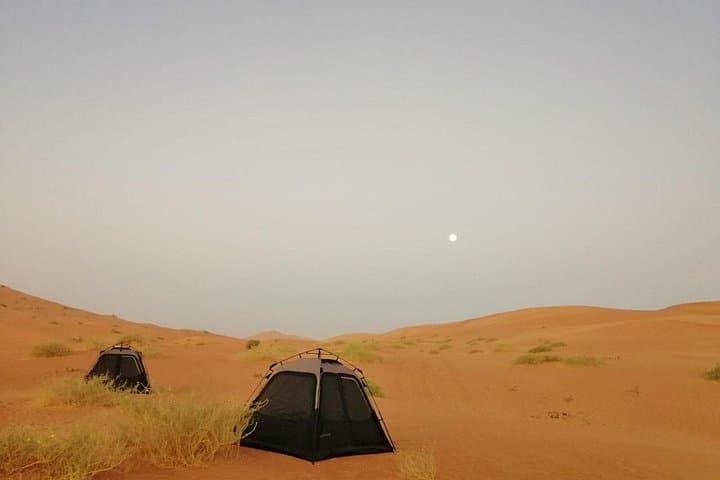
Camps are basic: sleeping mats or beds, communal dining, and simple toilets; bring personal toiletries and any medications.
Yes, but follow guide rules—avoid climbing structures, and do not remove any artifacts or materials.
Dhofar’s frankincense forests supported millennia of trade; the nearby Ubar site is linked to ancient caravan routes and was rediscovered via remote sensing in the 1990s.
The region’s desert and frankincense groves are fragile—stay on tracks, avoid collecting resin, and follow local guidance to minimize erosion and archaeological damage.
Dream Salalah Tour operates guided outdoor trips and adventures with an emphasis on safety, stewardship, and memorable experiences.
A late-afternoon wind pushes warm sand into ripples that catch the last light as your vehicle crosses toward the Empty Quarter. You step out on a dune rim; the smell of dust and resin hangs in the air while distant acacia and frankincense trees silhouette against the sky. This overnight tour from Salalah threads together Wadi Dawka’s ancient frankincense groves, the small museum at the reported site of Ubar, and a night under the stars in Rub al Khali.
A late-afternoon wind pushes warm sand into ripples that catch the last light as your vehicle crosses toward the Empty Quarter. You step out on a dune rim; the smell of dust and resin hangs in the air while distant acacia and frankincense trees silhouette against the sky. This overnight tour from Salalah threads together Wadi Dawka’s ancient frankincense groves, the small museum at the reported site of Ubar, and a night under the stars in Rub al Khali.
The Dhofar coastline and its interior are shaped by monsoon-fed hills and a sudden drop into the boundless sand of the Rub al Khali. Frankincense trees here were the backbone of a trade network that linked southern Arabia to the Roman and later Islamic worlds; at Ubar, archaeologists used remote sensing to find ruins buried by dunes. Local culture still honors the resin’s ritual and commercial roles, and small community-run museums consolidate finds from the region.
Practical guide: expect long bumpy drives on soft sand, dramatic temperature swings after sunset, and limited services in the dunes. The itinerary typically includes dinner and breakfast, a guided stop at Wadi Dawka, time at the Ubar site, and off-road driving techniques at dusk. Pack layers, sun protection, sufficient water, and a headlamp; secure any valuables against sand. Listen to your guide about vehicle movement on dunes and cultural etiquette at archaeological sites. For photographers, golden hour and a clear desert night deliver impressive light and a bank of stars—bring a wide-angle lens and a tripod.