THE ADVENTURE COLLECTIVE® · Independent discovery and booking for outdoor travel

A fast, immersive introduction to the Moroccan Sahara, this 2-day trip from Marrakech crosses the High Atlas, visits Ait Benhaddou and the Draa Valley, and includes a camel ride and overnight in a nomad tent. Perfect for travelers who want a compact Sahara experience without a long commitment.
A fast, immersive introduction to the Moroccan Sahara, this 2-day trip from Marrakech crosses the High Atlas, visits Ait Benhaddou and the Draa Valley, and includes a camel ride and overnight in a nomad tent. Perfect for travelers who want a compact Sahara experience without a long commitment.
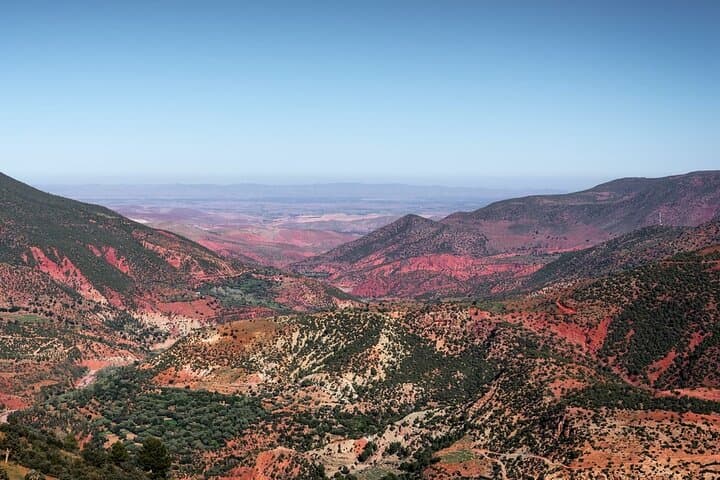
The sun slides down the long faces of the Zagora dunes and the last light paints the sand an ochre the vehicle can't chase. Travelers leave Marrakech before dawn, climbing the High Atlas via the Tizi n'Tichka pass, then descend through oases and kasbah-dotted valleys until the Sahara opens and camels appear like punctuation marks on the horizon.
Verified experiences and guided adventures in the surrounding area.
Operated by Authentic Sahara Tours · Zagora, Drâa-Tafilalet
The sun slides down the long faces of the Zagora dunes and the last light paints the sand an ochre the vehicle can't chase. Travelers leave Marrakech before dawn, climbing the High Atlas via the Tizi n'Tichka pass, then descend through oases and kasbah-dotted valleys until the Sahara opens and camels appear like punctuation marks on the horizon.
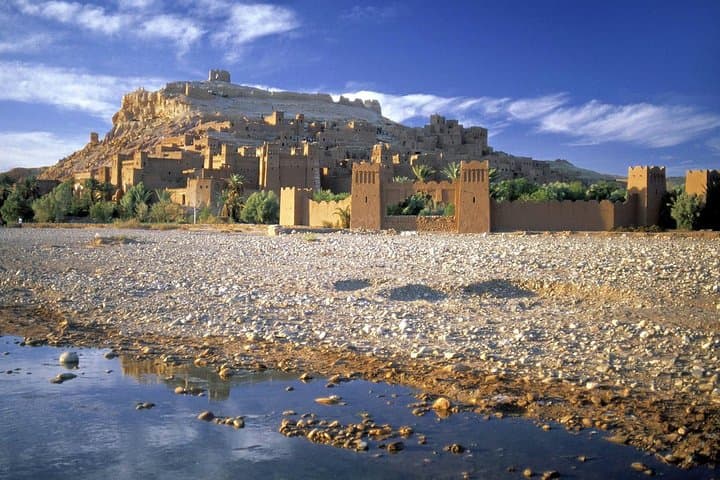
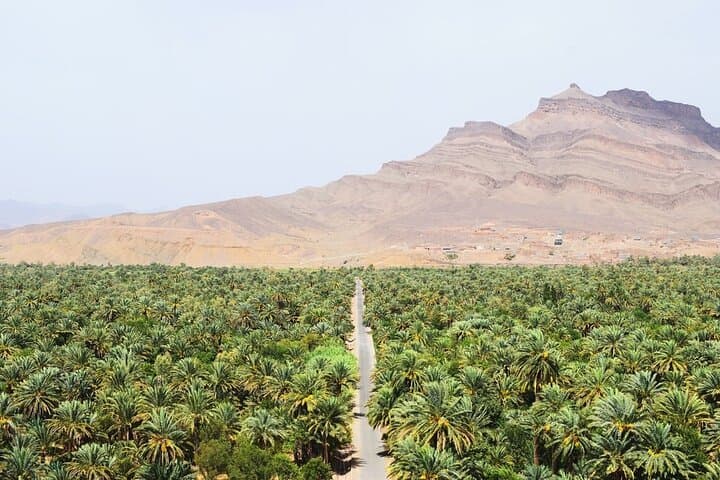
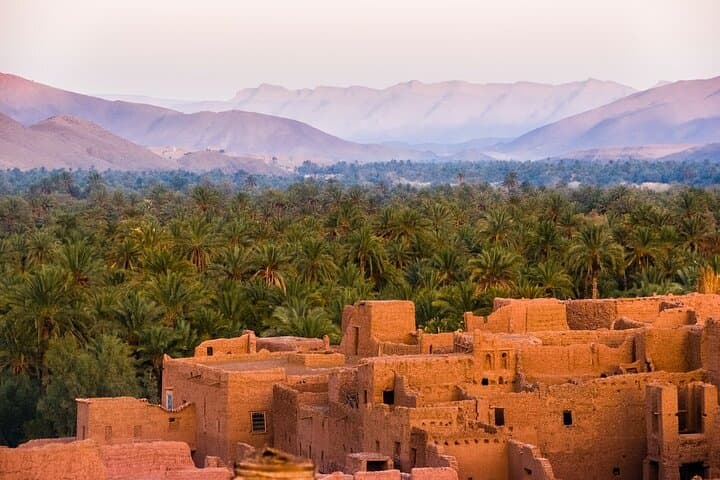
This route threads history and geology: ancient caravan roads, the fortified clay ksar of Ait Benhaddou (a UNESCO site and film location), and the Draa River valley—where alluvial soils support palm gardens that contrast the arid plateaus. Local culture is hands-on: Berber communities, kasbah architecture, and nightly music at the bivouac that preserves folk rhythms.
Practically, expect roughly 8–10 hours of driving over two days with off-road stretches and a short camel trek into camp at sunset. Overnight is in a traditional nomad tent (standard) with optional deluxe upgrades. Sunrise over low dunes is brisk and worth the early alarm.
Packing and pacing matter: bring layered clothing for warm days and cold desert nights, a wide-brim hat, 2–3 liters of water per person, sturdy shoes for rocky stops, and a daypack for camera gear and sunscreen. Respect private properties and ask before photographing locals. If you have limited mobility or are pregnant, note operators advise against the camel leg. Book a tour that confirms vehicle type (4x4 recommended) and ask about group size if you prefer smaller groups for photography or slower pacing.
moderate.
2 days / 1 night.
Moderate fitness for up to 8–10 hours of driving with short walks and a camel trek; comfortable walking on uneven sand and rocky paths.
The camel trek from the drop-off to the camp is usually 20–40 minutes, timed to reach the dunes for sunset.
Standard nomad tents have shared basic facilities; some operators offer a deluxe upgrade with ensuite shower and toilet options.
Signal is limited or absent in the dunes; expect connectivity only near towns or higher ground en route.
Families can join but be aware camels and desert terrain may be difficult for very young children; confirm child policies with the operator.
This corridor was part of trans-Saharan caravan routes linking oases and markets; Ait Benhaddou developed as a fortified trading stop and later became a film location.
Oases are fragile—practice leave-no-trace, avoid disturbing palm groves, and minimize water use; support locally run camps to benefit communities.
Authentic Sahara Tours operates guided outdoor trips and adventures with an emphasis on safety, stewardship, and memorable experiences.
The sun slides down the long faces of the Zagora dunes and the last light paints the sand an ochre the vehicle can't chase. Travelers leave Marrakech before dawn, climbing the High Atlas via the Tizi n'Tichka pass, then descend through oases and kasbah-dotted valleys until the Sahara opens and camels appear like punctuation marks on the horizon.
The sun slides down the long faces of the Zagora dunes and the last light paints the sand an ochre the vehicle can't chase. Travelers leave Marrakech before dawn, climbing the High Atlas via the Tizi n'Tichka pass, then descend through oases and kasbah-dotted valleys until the Sahara opens and camels appear like punctuation marks on the horizon.
This route threads history and geology: ancient caravan roads, the fortified clay ksar of Ait Benhaddou (a UNESCO site and film location), and the Draa River valley—where alluvial soils support palm gardens that contrast the arid plateaus. Local culture is hands-on: Berber communities, kasbah architecture, and nightly music at the bivouac that preserves folk rhythms.
Practically, expect roughly 8–10 hours of driving over two days with off-road stretches and a short camel trek into camp at sunset. Overnight is in a traditional nomad tent (standard) with optional deluxe upgrades. Sunrise over low dunes is brisk and worth the early alarm.
Packing and pacing matter: bring layered clothing for warm days and cold desert nights, a wide-brim hat, 2–3 liters of water per person, sturdy shoes for rocky stops, and a daypack for camera gear and sunscreen. Respect private properties and ask before photographing locals. If you have limited mobility or are pregnant, note operators advise against the camel leg. Book a tour that confirms vehicle type (4x4 recommended) and ask about group size if you prefer smaller groups for photography or slower pacing.