THE ADVENTURE COLLECTIVE® · Independent discovery and booking for outdoor travel

Spend an overnight journey from Athens to Delphi’s oracle and Meteora’s cliff-top monasteries with a Spanish-speaking guide. This tour pairs deep history with dramatic geology and practical logistics for first-time visitors.
Spend an overnight journey from Athens to Delphi’s oracle and Meteora’s cliff-top monasteries with a Spanish-speaking guide. This tour pairs deep history with dramatic geology and practical logistics for first-time visitors.
A low, predawn hum from the Athens streets gives way to the slow rhythm of the highway as the tour bus pushes northwest toward the jagged silhouette of central Greece.
Verified experiences and guided adventures in the surrounding area.
Operated by Keytours - Greece · Kalambaka, Thessaly
A low, predawn hum from the Athens streets gives way to the slow rhythm of the highway as the tour bus pushes northwest toward the jagged silhouette of central Greece.
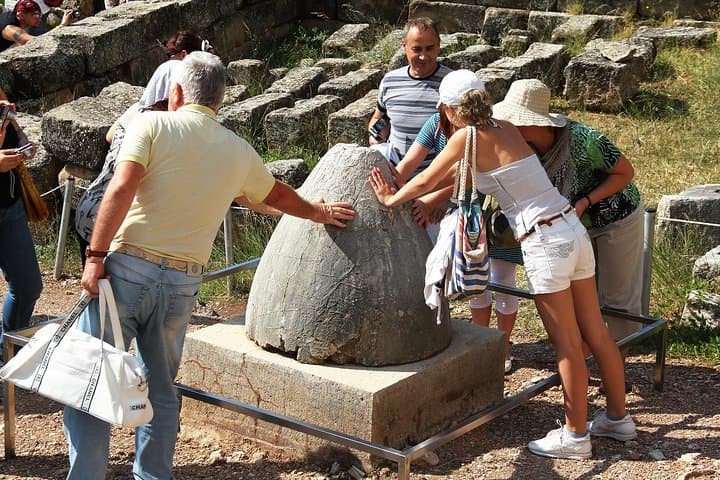
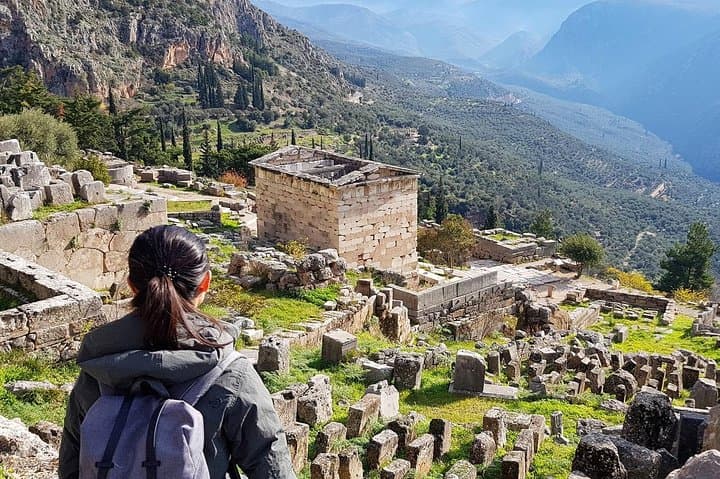
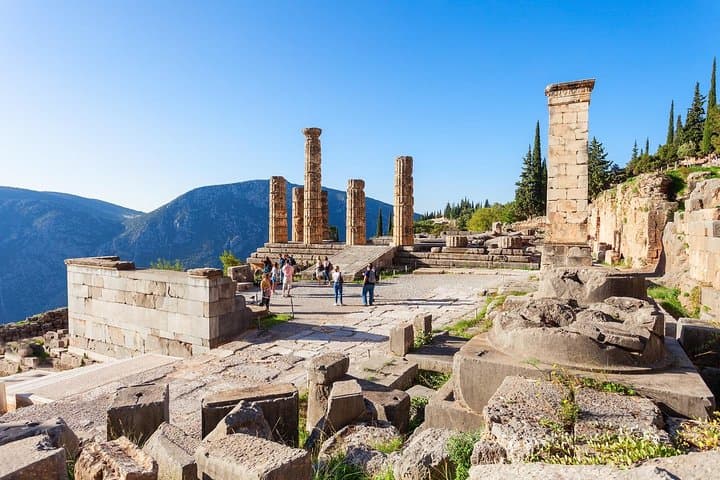
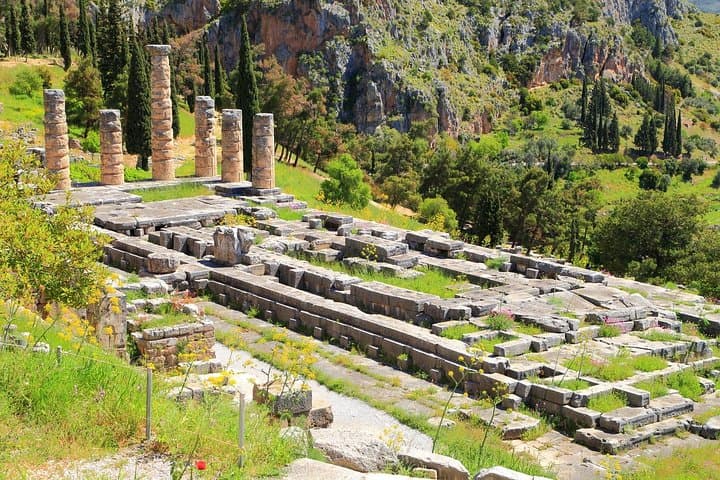
First light finds Delphi spread across a slope—ruins stepping down toward a gulf of olive groves—and the guide lays out the site's story: a sanctuary that hosted the oracle of Apollo and drew pilgrims from across the ancient world. The marble fragments and the Charioteer in the museum feel deliberate and human, their edges still teaching about ritual, politics and prophecy.
By evening the road reaches Kalambaka; the sandstone pillars of Meteora loom like giant columns holding up the sky. Geology here is simple and dramatic: layers of sand and conglomerate sculpted by wind and water into vertical towers, later chosen by ascetic monks for solitude. Two monasteries open their courtyards and frescoed churches—Great Meteoron and Agios Stefanos—each a lesson in medieval monastic life and local craft.
Expect short walks, stair climbs and panoramic overlooks rather than technical hiking. Dress modestly for monastery entry; bring water and sturdy shoes for uneven stone. Timing matters: mornings are cooler at Delphi, afternoons yield the best light on Meteora’s faces.
Practicalities follow the story—what to pack, how long transfers take, and how to move respectfully through fragile sites—so travelers leave with both a sense of place and a clear plan for experiencing one of Greece’s most elemental cultural landscapes.
easy.
48 hours (overnight).
Suitable for travelers in average physical condition who can walk short uphill sections and climb stairs.
Yes—entrance fees to the listed archaeological sites and the two monasteries visited are included in the tour inclusions.
A Spanish-speaking licensed guide leads the tour throughout; check language availability when booking to confirm.
Expect short to moderate walks and multiple stair sections at the monasteries and archaeological site—no technical hiking but good mobility helps.
Yes—one overnight stay at a 3- or 4-star hotel in Kalambaka is included, with breakfast the following morning.
Delphi was the pan-Hellenic religious center of ancient Greece, while Meteora’s monasteries were founded by ascetics between the 11th and 16th centuries atop geologic pillars formed by ancient river sediments.
Meteora and Delphi receive heavy visitation—stick to marked paths, respect dress codes, and avoid drone use to minimize disturbance to nesting birds and fragile rock surfaces.
Keytours - Greece operates guided outdoor trips and adventures with an emphasis on safety, stewardship, and memorable experiences.
A low, predawn hum from the Athens streets gives way to the slow rhythm of the highway as the tour bus pushes northwest toward the jagged silhouette of central Greece.
A low, predawn hum from the Athens streets gives way to the slow rhythm of the highway as the tour bus pushes northwest toward the jagged silhouette of central Greece.
First light finds Delphi spread across a slope—ruins stepping down toward a gulf of olive groves—and the guide lays out the site's story: a sanctuary that hosted the oracle of Apollo and drew pilgrims from across the ancient world. The marble fragments and the Charioteer in the museum feel deliberate and human, their edges still teaching about ritual, politics and prophecy.
By evening the road reaches Kalambaka; the sandstone pillars of Meteora loom like giant columns holding up the sky. Geology here is simple and dramatic: layers of sand and conglomerate sculpted by wind and water into vertical towers, later chosen by ascetic monks for solitude. Two monasteries open their courtyards and frescoed churches—Great Meteoron and Agios Stefanos—each a lesson in medieval monastic life and local craft.
Expect short walks, stair climbs and panoramic overlooks rather than technical hiking. Dress modestly for monastery entry; bring water and sturdy shoes for uneven stone. Timing matters: mornings are cooler at Delphi, afternoons yield the best light on Meteora’s faces.
Practicalities follow the story—what to pack, how long transfers take, and how to move respectfully through fragile sites—so travelers leave with both a sense of place and a clear plan for experiencing one of Greece’s most elemental cultural landscapes.