THE ADVENTURE COLLECTIVE® · Independent discovery and booking for outdoor travel

Float the calm shine of Postcard Alley, camp beneath Fisher Towers, and wake to an easy run of class II–III waves on this approachable overnight from Dewey Bridge to Onion Creek. It’s a family-friendly river micro-expedition with big canyon scenery, star-packed nights, and just enough whitewater to keep smiles wide.
Float the calm shine of Postcard Alley, camp beneath Fisher Towers, and wake to an easy run of class II–III waves on this approachable overnight from Dewey Bridge to Onion Creek. It’s a family-friendly river micro-expedition with big canyon scenery, star-packed nights, and just enough whitewater to keep smiles wide.
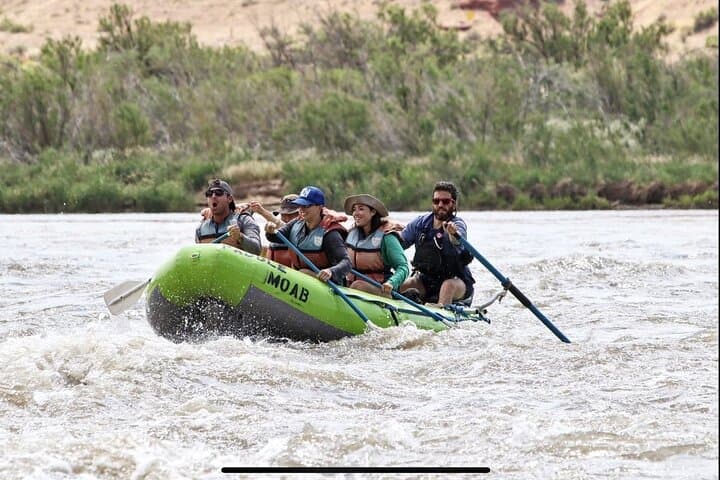
Sun warms the red rock early along Utah 128, where the Colorado River slides past the charred abutments of old Dewey Bridge and invites you to push off. The current nudges rafts into the fabled calm of Postcard Alley, a mirror-still corridor where sandstone cliffs stare back at themselves and the desert holds its breath. Paddles dip, drip, and pull. The river sets the pace—unhurried, steady—escorting you toward a sandy camp near Onion Creek Rapid as Fisher Towers stand like rusty spires against the sky.
Verified experiences and guided adventures in the surrounding area.
Operated by Paddle Moab · Moab, Utah
Sun warms the red rock early along Utah 128, where the Colorado River slides past the charred abutments of old Dewey Bridge and invites you to push off. The current nudges rafts into the fabled calm of Postcard Alley, a mirror-still corridor where sandstone cliffs stare back at themselves and the desert holds its breath. Paddles dip, drip, and pull. The river sets the pace—unhurried, steady—escorting you toward a sandy camp near Onion Creek Rapid as Fisher Towers stand like rusty spires against the sky.
This overnight stretch blends approachable paddling with classic canyon drama. Day one is mostly flatwater—ideal for first-timers or families—yet it never feels tame. Swallows claim the cliff ledges. Bighorn sheep appear and vanish, their hooves tapping the talus like distant rain. The river dares you to let go of the clock. Late afternoon brings camp along a broad beach below Onion Creek, with time to wade and play in the friendly wave train. Guides fire up dinner while canyon walls blush and shadows climb. Stars take over with a sweep; the Milky Way arches so sharply it feels like you could paddle right into it.
Geology here is front and center—ancient siltstone and sandstone carved by water, wind, and time. Fisher Towers, eroded into corkscrew turrets and buttresses, belong to a deep past when rivers stacked sediments and the desert took its time sculpting. Human history threads the banks as well: Dewey Bridge, once the longest suspension bridge in Utah, carried wagons and Model Ts across the Colorado before fire claimed its wooden deck in 2008. The corridor remains a vital artery for river runners and ranch country alike.
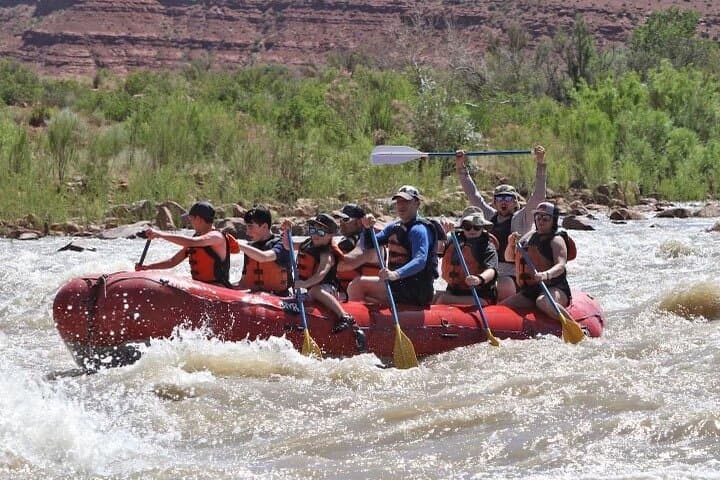
Morning arrives with the canyon glowing apricot. Coffee steams, breakfast fuels up arms and core, and the river shifts personality. Below camp, class II–III waves in the Fisher Towers section stand and smile, pushing rafts forward with enough punch to earn whoops without overwhelming newer paddlers. Guides call strokes. Boats thread tongues and curl around holes. Between rapids, the river loosens its grip and invites a float under sheer walls streaked with desert varnish.
Plan for about 10–14 river miles depending on flows and camp selection. Sun exposure is constant, sand is part of the deal, and wind can flex in the afternoons. Wear quick-dry layers and secure footwear that won’t bail in a wave. Expect provided meals; bring a small personal dry bag for camera and layers. Most trips wrap by midafternoon on day two, with Moab close enough for a shower and a celebratory burger. The river keeps its own itinerary, though—one you’ll feel long after the takeout.
moderate.
2 days / 1 night.
Comfortably paddle and sit for several hours, lift light gear, and walk on soft sand and uneven riverbanks.
Expect mostly flatwater on day one and a series of class II–III waves on day two—splashy and fun, suitable for beginners with guide support.
No. Guides provide instruction and handle boat control; basic comfort around water and the ability to follow commands are sufficient.
Professional guides, rafts, safety gear, river kitchen, and meals (lunch, dinner, breakfast, and a second lunch) are typically included. Personal clothing and toiletries are not.
You’ll stay at a riverside beach near Onion Creek Rapid. A portable groover system is set up at camp; expect no running water and pack-out protocols.
Most outfitters can handle common dietary needs with advance notice—note requirements when booking.
Trips run in varied conditions; guides adjust timing and camps. Severe weather may delay or modify the itinerary for safety.
Dewey Bridge once carried early travelers across the Colorado and, despite a 2008 fire, remains a landmark along Utah 128. Ranching and river-running culture have shaped this corridor for over a century.
Practice strict Leave No Trace—pack out all trash and microtrash, keep soaps out of the river, and avoid crushing fragile cryptobiotic soils. Ongoing riparian restoration targets invasive tamarisk—respect closures and plantings.
Paddle Moab operates guided outdoor trips and adventures with an emphasis on safety, stewardship, and memorable experiences.
Sun warms the red rock early along Utah 128, where the Colorado River slides past the charred abutments of old Dewey Bridge and invites you to push off. The current nudges rafts into the fabled calm of Postcard Alley, a mirror-still corridor where sandstone cliffs stare back at themselves and the desert holds its breath. Paddles dip, drip, and pull. The river sets the pace—unhurried, steady—escorting you toward a sandy camp near Onion Creek Rapid as Fisher Towers stand like rusty spires against the sky.
Sun warms the red rock early along Utah 128, where the Colorado River slides past the charred abutments of old Dewey Bridge and invites you to push off. The current nudges rafts into the fabled calm of Postcard Alley, a mirror-still corridor where sandstone cliffs stare back at themselves and the desert holds its breath. Paddles dip, drip, and pull. The river sets the pace—unhurried, steady—escorting you toward a sandy camp near Onion Creek Rapid as Fisher Towers stand like rusty spires against the sky.
This overnight stretch blends approachable paddling with classic canyon drama. Day one is mostly flatwater—ideal for first-timers or families—yet it never feels tame. Swallows claim the cliff ledges. Bighorn sheep appear and vanish, their hooves tapping the talus like distant rain. The river dares you to let go of the clock. Late afternoon brings camp along a broad beach below Onion Creek, with time to wade and play in the friendly wave train. Guides fire up dinner while canyon walls blush and shadows climb. Stars take over with a sweep; the Milky Way arches so sharply it feels like you could paddle right into it.
Geology here is front and center—ancient siltstone and sandstone carved by water, wind, and time. Fisher Towers, eroded into corkscrew turrets and buttresses, belong to a deep past when rivers stacked sediments and the desert took its time sculpting. Human history threads the banks as well: Dewey Bridge, once the longest suspension bridge in Utah, carried wagons and Model Ts across the Colorado before fire claimed its wooden deck in 2008. The corridor remains a vital artery for river runners and ranch country alike.
Morning arrives with the canyon glowing apricot. Coffee steams, breakfast fuels up arms and core, and the river shifts personality. Below camp, class II–III waves in the Fisher Towers section stand and smile, pushing rafts forward with enough punch to earn whoops without overwhelming newer paddlers. Guides call strokes. Boats thread tongues and curl around holes. Between rapids, the river loosens its grip and invites a float under sheer walls streaked with desert varnish.
Plan for about 10–14 river miles depending on flows and camp selection. Sun exposure is constant, sand is part of the deal, and wind can flex in the afternoons. Wear quick-dry layers and secure footwear that won’t bail in a wave. Expect provided meals; bring a small personal dry bag for camera and layers. Most trips wrap by midafternoon on day two, with Moab close enough for a shower and a celebratory burger. The river keeps its own itinerary, though—one you’ll feel long after the takeout.