THE ADVENTURE COLLECTIVE® · Independent discovery and booking for outdoor travel

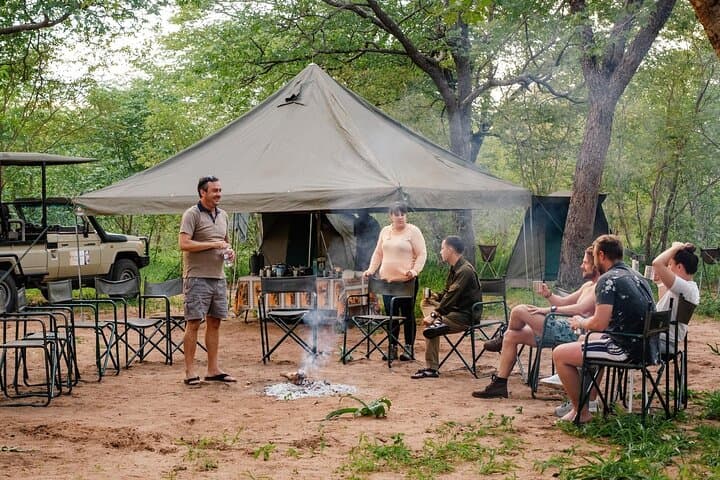
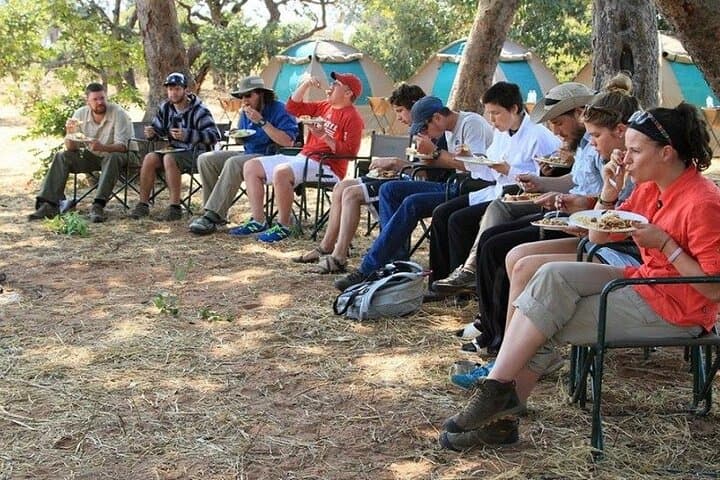
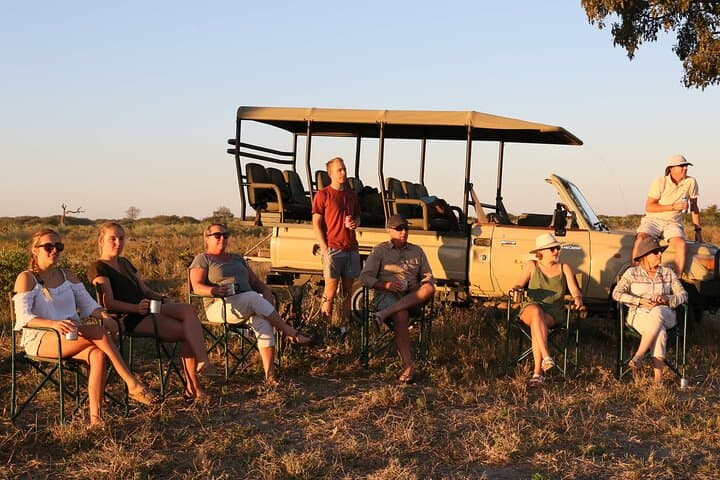
Spend one night on a classic Chobe safari: a three-hour river cruise past hippos and elephants, a riverside lunch at Coffee Buzz, an afternoon game drive and an overnight in walk-in tents under African skies. This compact trip delivers big wildlife moments and simple, comfortable camping.
Spend one night on a classic Chobe safari: a three-hour river cruise past hippos and elephants, a riverside lunch at Coffee Buzz, an afternoon game drive and an overnight in walk-in tents under African skies. This compact trip delivers big wildlife moments and simple, comfortable camping.
The boat slips away from Kasane and the Chobe River takes over — reeds whisper, hippos grunt beneath the hull and elephants line the far bank like patient giants. That first three-hour cruise is the trip’s heartbeat: water daring you closer to bird-filled islands, crocodiles sunning on exposed sandbars, and herds arriving to drink as the light mellows.
Verified experiences and guided adventures in the surrounding area.
Operated by Southern Dynasty Safaris · Kasane, Chobe District
The boat slips away from Kasane and the Chobe River takes over — reeds whisper, hippos grunt beneath the hull and elephants line the far bank like patient giants. That first three-hour cruise is the trip’s heartbeat: water daring you closer to bird-filled islands, crocodiles sunning on exposed sandbars, and herds arriving to drink as the light mellows.
Chobe National Park, covering roughly 11,700 km², is famous for its dense elephant population and dramatic riverfront habitat. Geologically the park is shaped by seasonal floods and alluvial plains; riverine woodlands of riverine ebony and fig give way to open savanna where Cape buffalo and impala graze. Culturally, Kasane and nearby communities have long histories tied to river transport and cross-border trade at the Kazungula ferry, and small riverside cafés like Coffee Buzz have become informal wildlife-viewing stops.
Practical guidance: the itinerary moves fast — a morning road transfer and border crossing, mid-morning cruise, riverside lunch, afternoon game drive and an overnight camp with provided walk-in tents and bedding. Expect flat terrain, short vehicle transfers and sunrise game drives best for wildlife viewing. Bring binoculars and a camera, insect repellent, layered clothing for cool mornings and smoky campfire evenings, and a reusable bottle to stay hydrated.
Respect viewing distances, follow guides’ instructions, and plan for early wake-ups; this is safari travel tuned to animal rhythms rather than hotel clocks. With basic preparation, an overnight at Chobe offers intimate riverfront encounters and the patient, unhurried thrill of watching large mammals move at water’s edge.
moderate.
24–36 hours.
Suitable for travelers with basic mobility — must be able to board boats and enter/exit safari vehicles and tents.
Yes — Chobe is in a malaria zone; consult a travel clinic for prophylaxis and use insect protection at dawn and dusk.
The trip provides use of spacious walk-in tents with mattress, bedding, dinner, breakfasts and lunch as outlined; verify specifics with the operator before travel.
Visa requirements depend on your nationality and the land border used; check with your embassy and the operator about transfer logistics and documents.
Policies vary — safaris often accept families but check age minimums with the tour operator and ensure children can remain seated on boats and vehicles.
Chobe rose to prominence for its riverfront wildlife and was protected to conserve seasonal concentrations of elephants and other large mammals along the Chobe River.
Tourism supports park management and anti-poaching; follow low-impact practices—stay on tracks, avoid single-use plastics and heed guides to reduce disturbance.
Southern Dynasty Safaris operates guided outdoor trips and adventures with an emphasis on safety, stewardship, and memorable experiences.
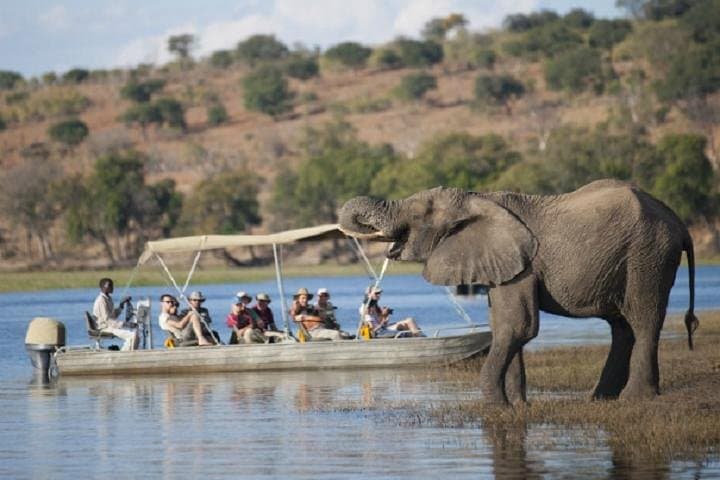
The boat slips away from Kasane and the Chobe River takes over — reeds whisper, hippos grunt beneath the hull and elephants line the far bank like patient giants. That first three-hour cruise is the trip’s heartbeat: water daring you closer to bird-filled islands, crocodiles sunning on exposed sandbars, and herds arriving to drink as the light mellows.
The boat slips away from Kasane and the Chobe River takes over — reeds whisper, hippos grunt beneath the hull and elephants line the far bank like patient giants. That first three-hour cruise is the trip’s heartbeat: water daring you closer to bird-filled islands, crocodiles sunning on exposed sandbars, and herds arriving to drink as the light mellows.
Chobe National Park, covering roughly 11,700 km², is famous for its dense elephant population and dramatic riverfront habitat. Geologically the park is shaped by seasonal floods and alluvial plains; riverine woodlands of riverine ebony and fig give way to open savanna where Cape buffalo and impala graze. Culturally, Kasane and nearby communities have long histories tied to river transport and cross-border trade at the Kazungula ferry, and small riverside cafés like Coffee Buzz have become informal wildlife-viewing stops.
Practical guidance: the itinerary moves fast — a morning road transfer and border crossing, mid-morning cruise, riverside lunch, afternoon game drive and an overnight camp with provided walk-in tents and bedding. Expect flat terrain, short vehicle transfers and sunrise game drives best for wildlife viewing. Bring binoculars and a camera, insect repellent, layered clothing for cool mornings and smoky campfire evenings, and a reusable bottle to stay hydrated.
Respect viewing distances, follow guides’ instructions, and plan for early wake-ups; this is safari travel tuned to animal rhythms rather than hotel clocks. With basic preparation, an overnight at Chobe offers intimate riverfront encounters and the patient, unhurried thrill of watching large mammals move at water’s edge.