THE ADVENTURE COLLECTIVE® · Independent discovery and booking for outdoor travel

Camp overnight on a permitted stretch of the Great Wall near Mutianyu—watch sunset from the battlements, sleep under starlight on the ramparts, and greet sunrise over serrated ridgelines. This guided trip pairs cultural context with rugged, hands-on camping.
Camp overnight on a permitted stretch of the Great Wall near Mutianyu—watch sunset from the battlements, sleep under starlight on the ramparts, and greet sunrise over serrated ridgelines. This guided trip pairs cultural context with rugged, hands-on camping.
Dusk arrives and the Wall takes on a new personality — wind gusts play through crenellations, and the stone beneath your boots cools from the day’s heat. After a short village approach you hike ten minutes to the ramparts, then walk the stony spine of the Wall as the sun lowers, painting watchtowers in warm light. Guides help set tents on a permitted, less-restored stretch so you sleep where history and sky meet.
Verified experiences and guided adventures in the surrounding area.
Operated by easytour.beijing · Beijing, Beijing
Dusk arrives and the Wall takes on a new personality — wind gusts play through crenellations, and the stone beneath your boots cools from the day’s heat. After a short village approach you hike ten minutes to the ramparts, then walk the stony spine of the Wall as the sun lowers, painting watchtowers in warm light. Guides help set tents on a permitted, less-restored stretch so you sleep where history and sky meet.
Built and rebuilt across centuries—most prominently during the Ming dynasty—the Great Wall follows mountain ridgelines of granite and mixed sedimentary rock. The section around Mutianyu shows patched brickwork, steep stone steps and intermittent watchtowers; fog settles into valleys at dawn, and the wind often dares you to stay put. Local villages supply evening meals of vegetables, pork, and rice; morning brings a simple breakfast and a walk to watch sunrise spill over serrated ridgelines.
Practical guide: expect 3–5 km of walking on uneven stone with repeated short climbs (cumulative elevation gain roughly 100–250 m). Terrain is steep in places—good ankle support and grippy soles are essential. Carry at least 2–3 liters of water, layers for cold mornings, and a headlamp for moving after sunset. Guides handle tents and logistics, but participants should be comfortable with overnight field conditions and be in strong physical shape. Plan travel time from central Beijing (approximately 1.5–2 hours by vehicle), and book through operators who have permits for on-wall camping.
challenging.
2 days.
High — be comfortable with sustained walking on steep, uneven stone and carrying a daypack; previous overnight outdoor experience recommended.
Operators run permitted camping on specific, less-restored sections with local authorization; confirm your tour provider’s permits before booking.
Expect short, steep climbs to the Wall and 3+ hours of walking on uneven steps and battlements—participants should have a high fitness level.
Yes—this tour typically includes dinner (local dishes) the first night and a simple breakfast on day two as listed in the itinerary.
Yes—tours commonly include round-trip transport from central pickup points such as Xuanwumen subway area; travel time is about 1.5–2 hours depending on traffic.
The Wall’s visible masonry dates largely to Ming dynasty reconstruction; its route follows older earthworks and strategic mountain passes used for centuries.
Camping impacts fragile moss and lichens on the stone—use established tent sites, pack out waste, and follow guide instructions to minimize erosion and cultural damage.
easytour.beijing operates guided outdoor trips and adventures with an emphasis on safety, stewardship, and memorable experiences.
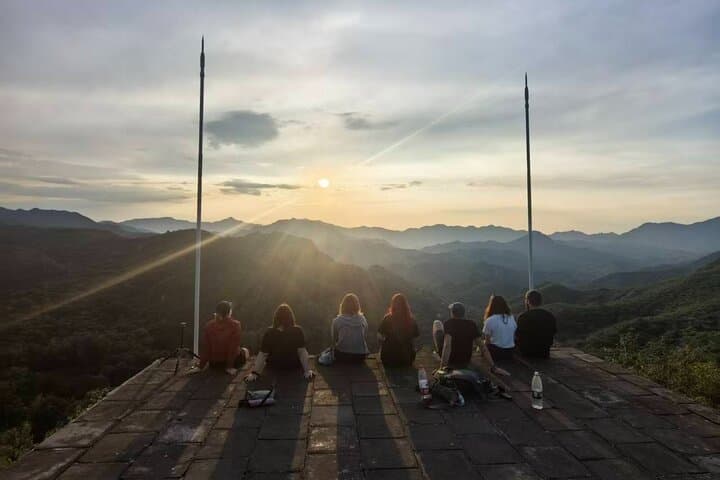
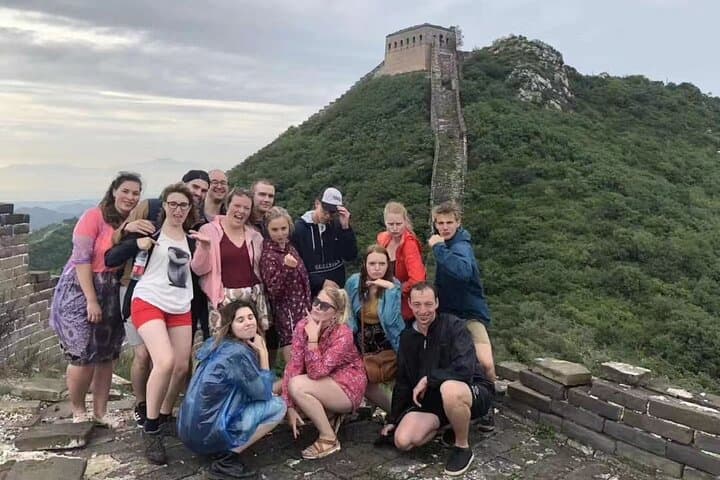
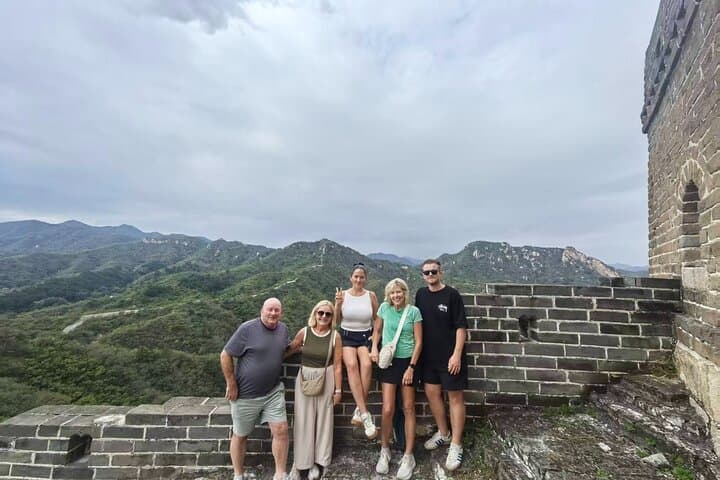
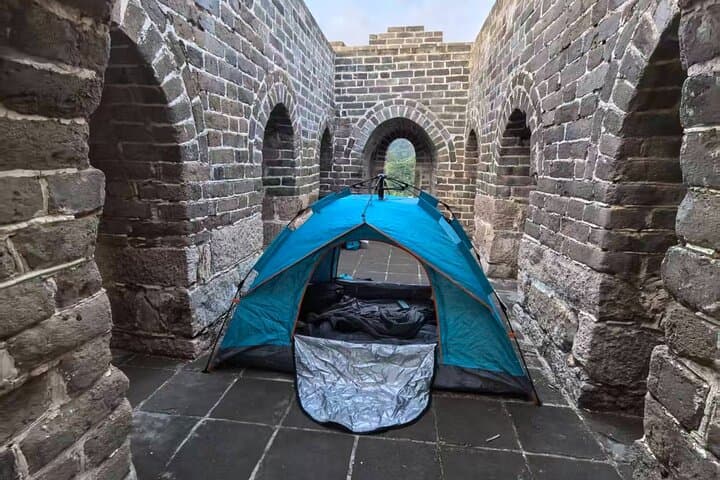
Dusk arrives and the Wall takes on a new personality — wind gusts play through crenellations, and the stone beneath your boots cools from the day’s heat. After a short village approach you hike ten minutes to the ramparts, then walk the stony spine of the Wall as the sun lowers, painting watchtowers in warm light. Guides help set tents on a permitted, less-restored stretch so you sleep where history and sky meet.
Dusk arrives and the Wall takes on a new personality — wind gusts play through crenellations, and the stone beneath your boots cools from the day’s heat. After a short village approach you hike ten minutes to the ramparts, then walk the stony spine of the Wall as the sun lowers, painting watchtowers in warm light. Guides help set tents on a permitted, less-restored stretch so you sleep where history and sky meet.
Built and rebuilt across centuries—most prominently during the Ming dynasty—the Great Wall follows mountain ridgelines of granite and mixed sedimentary rock. The section around Mutianyu shows patched brickwork, steep stone steps and intermittent watchtowers; fog settles into valleys at dawn, and the wind often dares you to stay put. Local villages supply evening meals of vegetables, pork, and rice; morning brings a simple breakfast and a walk to watch sunrise spill over serrated ridgelines.
Practical guide: expect 3–5 km of walking on uneven stone with repeated short climbs (cumulative elevation gain roughly 100–250 m). Terrain is steep in places—good ankle support and grippy soles are essential. Carry at least 2–3 liters of water, layers for cold mornings, and a headlamp for moving after sunset. Guides handle tents and logistics, but participants should be comfortable with overnight field conditions and be in strong physical shape. Plan travel time from central Beijing (approximately 1.5–2 hours by vehicle), and book through operators who have permits for on-wall camping.