THE ADVENTURE COLLECTIVE® · Independent discovery and booking for outdoor travel

Spend a night atop the Great Wall and watch sunset and sunrise from historic watchtowers. This private, two-day experience pairs quiet ridge-line camping with practical logistics — tents, sleeping gear and private transfers included.
Spend a night atop the Great Wall and watch sunset and sunrise from historic watchtowers. This private, two-day experience pairs quiet ridge-line camping with practical logistics — tents, sleeping gear and private transfers included.
The sun lowers along crenellated stones and the wall’s long spine darkens beneath an open sky. Guests arrive by private transfer, climb a reconstructed watchtower and set a tent on the ramparts where the air cools and the world below grows quiet except for village dogs and distant roosters.
Verified experiences and guided adventures in the surrounding area.
Operated by Untouched Great Wall Hike · Beijing, Beijing
The sun lowers along crenellated stones and the wall’s long spine darkens beneath an open sky. Guests arrive by private transfer, climb a reconstructed watchtower and set a tent on the ramparts where the air cools and the world below grows quiet except for village dogs and distant roosters.
This strip of the Ming-era fortification served as lookout and communication line for centuries; its granite and tamped-earth construction follows ridgelines carved by tectonic uplift and glacially sculpted valleys. Travelers sleep where sentries once kept watch and wake to a sunrise that throws long shadows across watchtowers and steps.
Local culture converges here: small farming communities below, roadside vendors near the access road, and guides who know which towers still shelter original masonry. Geologically, the wall threads sandstone and limestone ridges that rise abruptly from cultivated terraces; the exposed sections give clear, wide views.
Practical guidance: the stay typically includes tents, sleeping bags and mattresses and requires a moderate level of fitness — expect uneven stone steps and short climbs. Temperatures drop quickly after sunset, so layer for cold nights even in summer; a reliable headlamp and sturdy boots make moving on the wall safer. Bring water and snacks; toilets are basic and often off-site.
Respect the structure: camp only where permitted, avoid moving stones, and pack out trash. With quiet evenings, clear skies and the twin shows of sunset and sunrise, the experience delivers a rare, tactile link to the wall’s human history and the landscape it defends.
moderate.
2 days.
Moderate fitness recommended—able to walk on uneven stone steps and carry a small overnight pack
The meeting point and specific section vary by tour operator; most departures are near Beijing access points and the guide will confirm the exact section before departure.
Yes—tents, sleeping bags and mattresses are typically supplied as part of the package.
Not ideal for very young children or travelers with significant mobility or spinal issues due to uneven steps and short climbs; check operator age and health restrictions.
The tour usually allows a full refund if cancelled at least 24 hours before departure and may cancel in bad weather for safety, with refund options per the operator policy.
This stretch follows Ming-dynasty construction practices; watchtowers once relayed smoke and beacon signals across ridges to warn of incursions.
Camping is permitted only in designated spots to protect masonry; visitors should stay on allowed sections, avoid removing stones and carry out all waste.
Untouched Great Wall Hike operates guided outdoor trips and adventures with an emphasis on safety, stewardship, and memorable experiences.
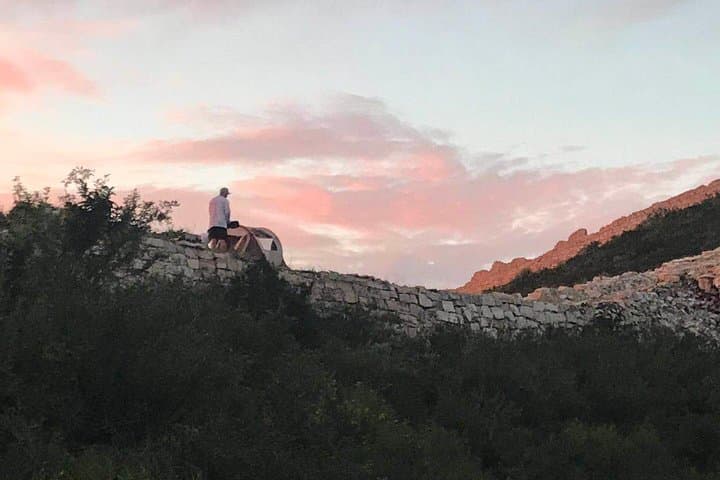
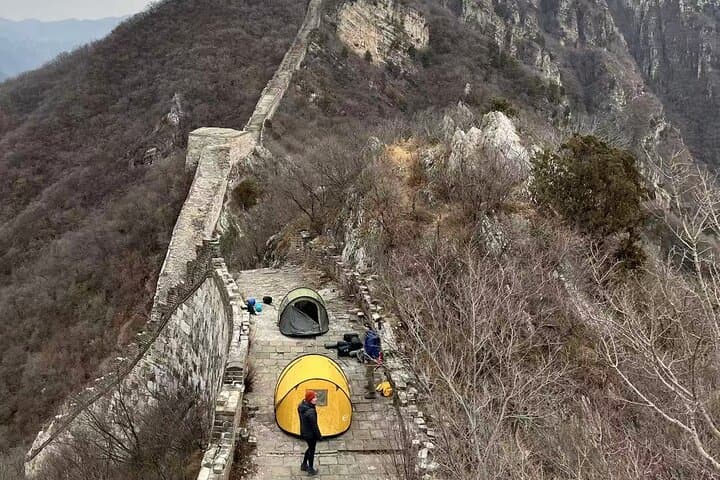
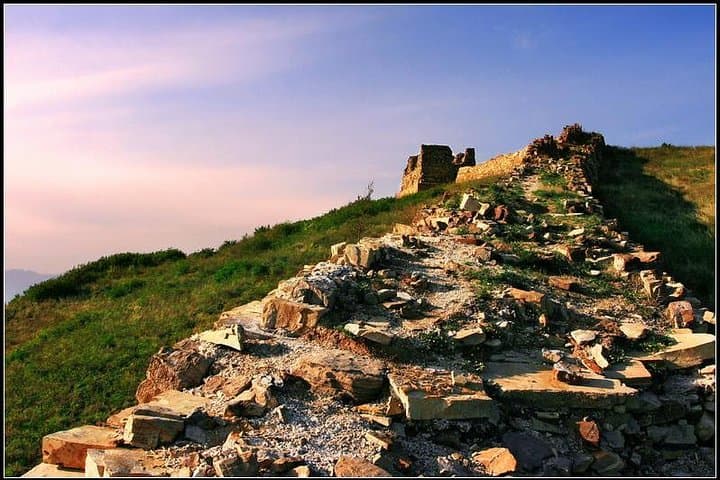
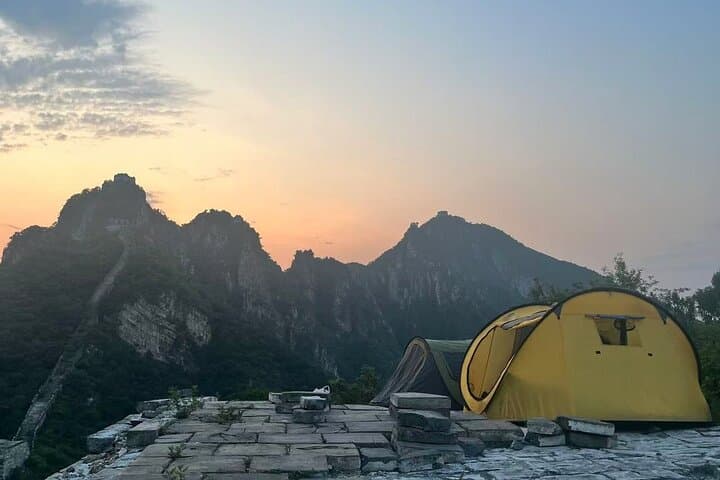
The sun lowers along crenellated stones and the wall’s long spine darkens beneath an open sky. Guests arrive by private transfer, climb a reconstructed watchtower and set a tent on the ramparts where the air cools and the world below grows quiet except for village dogs and distant roosters.
The sun lowers along crenellated stones and the wall’s long spine darkens beneath an open sky. Guests arrive by private transfer, climb a reconstructed watchtower and set a tent on the ramparts where the air cools and the world below grows quiet except for village dogs and distant roosters.
This strip of the Ming-era fortification served as lookout and communication line for centuries; its granite and tamped-earth construction follows ridgelines carved by tectonic uplift and glacially sculpted valleys. Travelers sleep where sentries once kept watch and wake to a sunrise that throws long shadows across watchtowers and steps.
Local culture converges here: small farming communities below, roadside vendors near the access road, and guides who know which towers still shelter original masonry. Geologically, the wall threads sandstone and limestone ridges that rise abruptly from cultivated terraces; the exposed sections give clear, wide views.
Practical guidance: the stay typically includes tents, sleeping bags and mattresses and requires a moderate level of fitness — expect uneven stone steps and short climbs. Temperatures drop quickly after sunset, so layer for cold nights even in summer; a reliable headlamp and sturdy boots make moving on the wall safer. Bring water and snacks; toilets are basic and often off-site.
Respect the structure: camp only where permitted, avoid moving stones, and pack out trash. With quiet evenings, clear skies and the twin shows of sunset and sunrise, the experience delivers a rare, tactile link to the wall’s human history and the landscape it defends.